

The Critical Importance of Advanced Compression Springs in Precision Engineering
Release Time:
2025-04-07
The Critical Importance of Advanced Compression Springs in Precision Engineering Table of Contents Introduction to Advanced Compression Springs What Are Compression Springs? Design Features of Advanced Compression Springs Materials Used in Compression Spring Manufacturing Applications of Compression Springs in Engineering Advantages of Advanced Compression Springs The

The Critical Importance of Advanced Compression Springs in Precision Engineering
Table of Contents
- Introduction to Advanced Compression Springs
- What Are Compression Springs?
- Design Features of Advanced Compression Springs
- Materials Used in Compression Spring Manufacturing
- Applications of Compression Springs in Engineering
- Advantages of Advanced Compression Springs
- The Manufacturing Process of Compression Springs
- Future Trends in Compression Spring Technology
- Conclusion
- FAQs
Introduction to Advanced Compression Springs
In the realm of precision engineering, advanced compression springs play a pivotal role in enhancing functionality and reliability. These highly engineered components serve as crucial elements in a myriad of applications, ranging from automotive to aerospace, and even in consumer electronics. As industries evolve, the demand for precision and performance has escalated, making the significance of advanced compression springs more pronounced.
What Are Compression Springs?
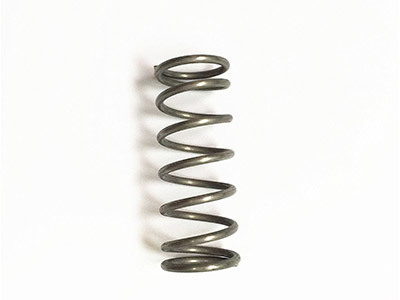
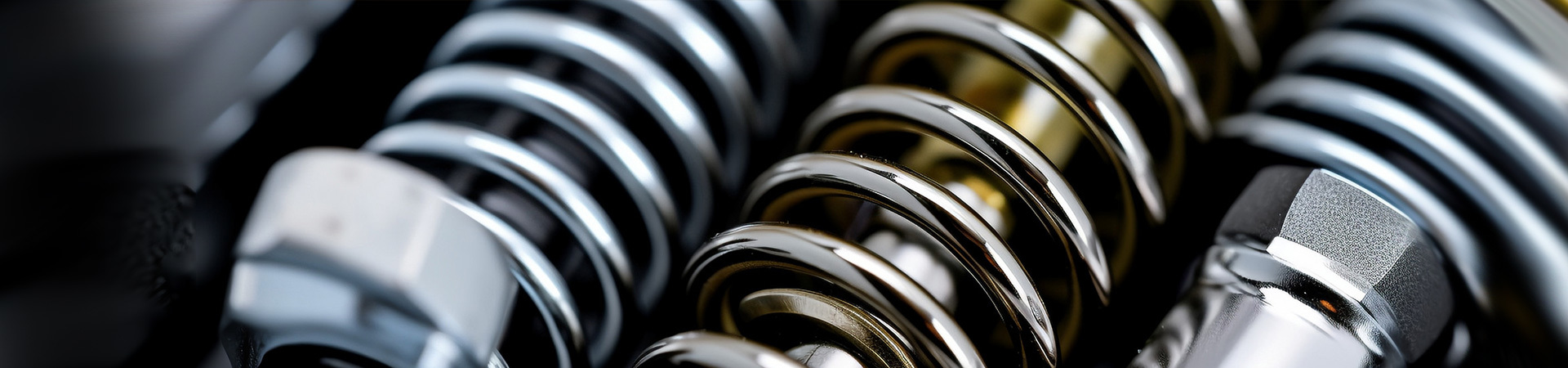
Compression springs are mechanical devices designed to resist compressive forces. They are typically coiled and return to their original shape after the load is removed. These springs are characterized by their ability to store energy, absorb shock, and maintain a consistent force over a specified travel distance. By providing resistance against compression, these springs are essential for various functionalities in machinery and equipment.
The Basics of Compression Spring Design
Understanding the fundamental design of compression springs is vital. The spring's diameter, coil count, and wire thickness directly influence its mechanical properties and performance. These springs can be categorized into several types, including cylindrical, conical, and barrel-shaped, each serving specific applications based on their geometric attributes.
Design Features of Advanced Compression Springs
Advanced compression springs are distinguished by several design features that enhance their performance:
- Variable Pitch: Springs designed with variable pitch can provide different spring rates along their length, enabling more flexibility in applications.
- Pre-stressing: This technique involves applying a pre-load to the spring to optimize its load capacity and fatigue life.
- Coating: Advanced coatings can improve corrosion resistance and reduce friction, which extends the spring's life span.
Materials Used in Compression Spring Manufacturing
The choice of materials is crucial for the performance of compression springs. Here are some commonly used materials:
- Stainless Steel: Known for its corrosion resistance and strength, stainless steel is a popular choice for springs used in harsh environments.
- High Carbon Steel: This material offers excellent tensile strength and is often utilized for general-purpose applications.
- Alloy Steels: These steels provide enhanced performance under extreme conditions, making them suitable for aerospace and automotive applications.
Applications of Compression Springs in Engineering
Advanced compression springs find application across a variety of sectors, each leveraging the unique properties of these components:
1. Automotive Industry
In the automotive sector, compression springs are integral to suspension systems, ensuring vehicle stability and comfort. They are also found in clutch systems, where they play a critical role in engaging and disengaging the engine from the transmission.
2. Aerospace Engineering
Compression springs in aerospace applications are designed to withstand extreme conditions while maintaining precise functionality. They are used in landing gear systems and various control mechanisms, contributing to the safety and performance of aircraft.
3. Consumer Electronics
In the realm of consumer electronics, advanced compression springs are utilized in devices such as keyboards and remote controls, ensuring tactile feedback and durability.
Advantages of Advanced Compression Springs
Investing in advanced compression springs offers numerous benefits:
- Enhanced Performance: These springs are engineered to provide consistent performance across varying loads.
- Durability: With appropriate material selection and design features, advanced compression springs can withstand fatigue and harsh environments.
- Customization: Manufacturers can tailor springs to meet specific requirements, ensuring compatibility with unique applications.
The Manufacturing Process of Compression Springs
The production of advanced compression springs involves several key steps:
1. Wire Selection and Preparation
The process begins with selecting the appropriate wire material, followed by cutting it to the desired length.
2. Coiling
In this stage, the wire is coiled into the desired shape using specialized machinery, with precision being crucial for optimal performance.
3. Heat Treatment
Heat treatment is applied to enhance the spring’s mechanical properties, such as strength and elasticity.
4. Surface Treatment
Finally, springs undergo surface treatments for corrosion resistance and improved performance, ensuring longevity.
Future Trends in Compression Spring Technology
The future of compression spring technology is bright, driven by innovations in materials and manufacturing processes. Key trends to watch include:
- Smart Materials: The integration of smart materials that respond to environmental changes could revolutionize spring design.
- 3D Printing: Additive manufacturing techniques are making it possible to create complex geometries and customized designs that were previously unattainable.
- Sustainability: A growing focus on sustainability will likely influence material selection and manufacturing processes, leading to eco-friendlier solutions.
Conclusion
Advanced compression springs are indispensable components in precision engineering, offering exceptional performance and durability across various industries. As technology continues to evolve, the importance of these springs will only increase, driving innovation and efficiency. Understanding their design, materials, applications, and manufacturing processes is vital for anyone involved in precision engineering. Investing in high-quality compression springs is not just a choice; it is a necessity for superior performance in modern engineering.
FAQs
1. What is the function of a compression spring?
Compression springs are designed to resist compressive forces, store energy, absorb shocks, and provide consistent resistance over their travel distance.
2. How do I choose the right compression spring for my application?
Choosing the right compression spring involves considering factors such as load requirements, space constraints, and desired performance characteristics.
3. Can compression springs be customized?
Yes, many manufacturers offer customization options to meet specific application needs, including dimensions, materials, and design features.
4. What materials are best for compression springs?
Stainless steel, high carbon steel, and alloy steels are commonly used due to their strength and durability. The choice depends on the application's specific requirements.
5. What are the signs of a failing compression spring?
Signs of a failing compression spring can include deformation, reduced load capacity, excessive noise, or failure to return to its original shape after compression.
In conclusion, advanced compression springs are a cornerstone of precision engineering, providing the reliability and performance needed in today’s demanding applications. Understanding their role and benefits can significantly enhance product development and innovation.
Related News
Contact Us
E-mail:
WhatsAPP:
Address:
Wen 'an Industrial New Area (small Farm), Langfang, Hebei, China