

How Compression Affects the Performance of Springs: Unveiling the Science Behind Spring Mechanics
Release Time:
2024-08-01
Introduction to Compression Springs Compression springs are one of the most vital components in various mechanical systems. They are designed to store energy when compressed and release it when needed. Understanding how **compression affects the performance of springs** is crucial for engineers, designers, and manufacturers. In this article, we will explore the mechanics of compression springs, in

Compression springs are one of the most vital components in various mechanical systems. They are designed to store energy when compressed and release it when needed. Understanding how **compression affects the performance of springs** is crucial for engineers, designers, and manufacturers. In this article, we will explore the mechanics of compression springs, including material selection, design parameters, and factors affecting their functionality.
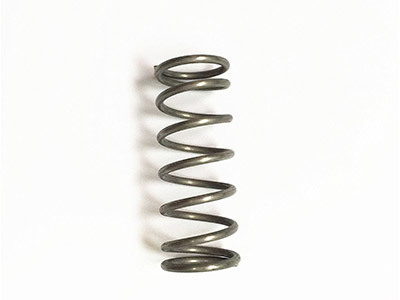
Compression springs operate based on Hooke's Law, which states that the force exerted by a spring is directly proportional to the distance it is compressed. To effectively harness the power of compression springs, one must consider several key characteristics:
1. Spring Rate (Stiffness): This refers to the amount of force required to compress the spring by a certain distance. A higher spring rate indicates a stiffer spring, while a lower rate corresponds to a more flexible spring.
2. Free Length: The length of the spring when it is not under any load. This measurement affects how much the spring can compress and the amount of energy it can store.
3. Solid Height: The height of the spring when fully compressed. Understanding solid height is essential for ensuring that the spring does not bottom out during operation.
4. Material: The choice of material significantly impacts the spring's performance, durability, and resistance to fatigue.
Several factors impact how compression affects the performance of springs. Understanding these elements is crucial for optimizing spring designs.
Determining the appropriate length of the spring is essential for optimizing its performance. A longer spring may have more compressible length but can also lead to limitations in load-bearing capacity. Understanding the desired compression limits is crucial for ensuring that the spring does not exceed its operational limits during use.
Understanding how compression affects the performance of springs is essential for anyone involved in the design, manufacturing, or application of compression springs. By comprehensively exploring material selection, design parameters, and real-world applications, we can optimize spring performance and enhance the reliability of mechanical systems. Regular maintenance, innovative design techniques, and rigorous testing further ensure that springs operate at their best, meeting the demands of various industries. As technology advances, the importance of these small yet impactful components will continue to grow, shaping the future of mechanical engineering.
Related News
Contact Us
E-mail:
WhatsAPP:
Address:
Wen 'an Industrial New Area (small Farm), Langfang, Hebei, China