

The Ultimate Guide to Choosing the Best Compression Spring for Your Applications
Release Time:
2025-02-21
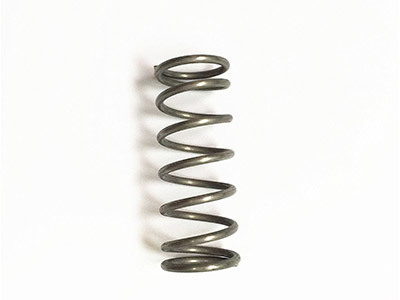
When it comes to manufacturing and mechanical design, the selection of the best compression spring is critical for ensuring optimal performance and durability. Compression springs are mechanical devices that store and release energy when compressed, making them indispensable in various applications, from automotive to electronics. Here are some essential factors to consider when choosing the best

When it comes to manufacturing and mechanical design, the selection of the best compression spring is critical for ensuring optimal performance and durability. Compression springs are mechanical devices that store and release energy when compressed, making them indispensable in various applications, from automotive to electronics. Here are some essential factors to consider when choosing the best compression spring for your needs.
**Material Selection**
The material of the compression spring plays a vital role in its performance. Common materials include stainless steel, music wire, and oil-tempered steel, each offering unique advantages. Stainless steel springs resist corrosion and are ideal for applications exposed to moisture or chemicals. Music wire is known for its higher tensile strength and elasticity, making it suitable for high-stress applications. Oil-tempered steel provides excellent fatigue resistance, making it a popular choice for heavy-duty applications.
**Spring Dimensions**
When determining the best compression spring, consider the spring's dimensions, which include wire diameter, coil diameter, and overall length. The wire diameter impacts the spring's strength and load-bearing capacity. Additionally, the coil diameter must fit the available space in your application while allowing for the necessary compression. Accurate measurement of these dimensions ensures the spring will function correctly and efficiently in its intended application.
**Load and Deflection Requirements**
Understanding the load and deflection requirements is crucial when selecting the best compression spring. Calculate the maximum load the spring will encounter in operation and the amount of deflection needed for optimal performance. Springs can be designed to handle specific loads by adjusting the number of coils and wire diameter. Ensuring your spring can handle the operational demands will lead to improved reliability and longevity.
**Spring Rate**
The spring rate, or stiffness, is a key consideration in determining how much force a spring can exert or how much it will compress under a specific load. It is essential to select a spring with an appropriate spring rate that meets your application’s requirements. If the spring rate is too low, the spring may compress too easily, leading to malfunction. Conversely, a spring with a high spring rate may not provide the necessary deflection, resulting in inadequate performance.
**Environmental Factors**
Lastly, consider any environmental factors that could affect the performance of your compression spring. Exposure to extreme temperatures, humidity, or corrosive elements can impact the material's integrity. Choosing a spring that can withstand these conditions will enhance the performance and lifespan of your component.
In conclusion, selecting the best compression spring involves careful consideration of material, dimensions, load requirements, spring rate, and environmental factors. By understanding these elements, you can ensure that the compression spring you choose will effectively meet the demands of your manufacturing application, contributing to the overall success of your mechanical design projects.
**Material Selection**
The material of the compression spring plays a vital role in its performance. Common materials include stainless steel, music wire, and oil-tempered steel, each offering unique advantages. Stainless steel springs resist corrosion and are ideal for applications exposed to moisture or chemicals. Music wire is known for its higher tensile strength and elasticity, making it suitable for high-stress applications. Oil-tempered steel provides excellent fatigue resistance, making it a popular choice for heavy-duty applications.
**Spring Dimensions**
When determining the best compression spring, consider the spring's dimensions, which include wire diameter, coil diameter, and overall length. The wire diameter impacts the spring's strength and load-bearing capacity. Additionally, the coil diameter must fit the available space in your application while allowing for the necessary compression. Accurate measurement of these dimensions ensures the spring will function correctly and efficiently in its intended application.
**Load and Deflection Requirements**
Understanding the load and deflection requirements is crucial when selecting the best compression spring. Calculate the maximum load the spring will encounter in operation and the amount of deflection needed for optimal performance. Springs can be designed to handle specific loads by adjusting the number of coils and wire diameter. Ensuring your spring can handle the operational demands will lead to improved reliability and longevity.
**Spring Rate**
The spring rate, or stiffness, is a key consideration in determining how much force a spring can exert or how much it will compress under a specific load. It is essential to select a spring with an appropriate spring rate that meets your application’s requirements. If the spring rate is too low, the spring may compress too easily, leading to malfunction. Conversely, a spring with a high spring rate may not provide the necessary deflection, resulting in inadequate performance.
**Environmental Factors**
Lastly, consider any environmental factors that could affect the performance of your compression spring. Exposure to extreme temperatures, humidity, or corrosive elements can impact the material's integrity. Choosing a spring that can withstand these conditions will enhance the performance and lifespan of your component.
In conclusion, selecting the best compression spring involves careful consideration of material, dimensions, load requirements, spring rate, and environmental factors. By understanding these elements, you can ensure that the compression spring you choose will effectively meet the demands of your manufacturing application, contributing to the overall success of your mechanical design projects.
Related News
Contact Us
E-mail:
WhatsAPP:
Address:
Wen 'an Industrial New Area (small Farm), Langfang, Hebei, China