

How to Choose the Right Cheap Compression Spring for Your Project
Release Time:
2025-02-24
How to Choose the Right Cheap Compression Spring for Your Project Table of Contents Understanding Compression Springs Importance of Material Selection for Compression Springs Key Dimensions and Sizes of Compression Springs Calculating Load and Spring Rate Environmental Factors Impacting Spring Performance Finding Cost-Effective Solutions for Spring Purchasing Testing a

How to Choose the Right Cheap Compression Spring for Your Project
Table of Contents
- Understanding Compression Springs
- Importance of Material Selection for Compression Springs
- Key Dimensions and Sizes of Compression Springs
- Calculating Load and Spring Rate
- Environmental Factors Impacting Spring Performance
- Finding Cost-Effective Solutions for Spring Purchasing
- Testing and Validating Your Spring Choice
- Top 5 Frequently Asked Questions About Compression Springs
Understanding Compression Springs
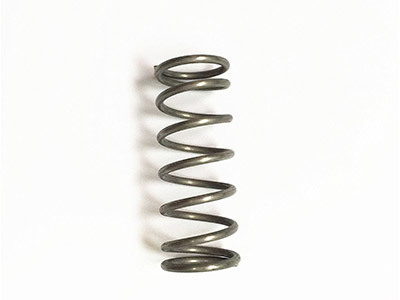
Compression springs are mechanical devices designed to resist compressive forces. They are coiled, and their primary purpose is to store energy, absorb shock, and maintain a force between contacting surfaces. These springs come in various configurations and materials, making them suitable for numerous applications, from automotive to electronics. A **cheap compression spring** can effectively meet your project’s needs while adhering to budget constraints, but understanding their characteristics is crucial.
Importance of Material Selection for Compression Springs
The material from which a compression spring is made plays a pivotal role in its performance and durability. Typically, compression springs are crafted from steel, stainless steel, or other alloys. Each material has unique properties that can influence the spring's lifespan and functionality. Here are some considerations:
Types of Materials
- Carbon Steel: Offers good strength and fatigue resistance, ideal for general applications.
- Stainless Steel: Provides excellent corrosion resistance, suitable for harsh environments.
- Music Wire: Known for high tensile strength, commonly used in precision applications.
Cost vs. Quality
While it might be tempting to opt for the cheapest option, consider the long-term implications. **Cheap compression springs** may lead to failures that could compromise your project. It’s essential to strike a balance between cost and quality to ensure optimal performance.
Key Dimensions and Sizes of Compression Springs
When selecting a compression spring, understanding its dimensions is critical. The key dimensions include:
Wire Diameter
The wire diameter directly affects the spring’s strength and flexibility. Thicker wire typically results in a stronger spring, while thinner wire provides greater flexibility. Choose a wire diameter that best fits the load requirements of your application.
Outer Diameter
The outer diameter influences how the spring will fit into the overall assembly. It’s essential to ensure that the outer diameter aligns with your project’s design specifications.
Free Length and Solid Height
The free length of a spring is measured when it’s not under load, while solid height refers to the spring’s height when fully compressed. Understanding these measurements helps predict how the spring will behave in your application.
Calculating Load and Spring Rate
Understanding how to calculate the load and spring rate is vital for selecting the right **cheap compression spring**. The spring rate (k) is defined as the amount of force required to compress the spring by a unit distance. The formula is:
k = F/x
Where F is the force applied, and x is the distance the spring is compressed. By knowing the amount of force your application requires, you can determine the appropriate spring rate and select a spring that meets those requirements.
Environmental Factors Impacting Spring Performance
Environmental conditions play a crucial role in the performance of compression springs. Key factors include:
Corrosion Resistance
For applications exposed to moisture or chemicals, selecting a corrosion-resistant material is essential. Stainless steel or coated springs may be necessary to prolong lifespan.
Temperature Variations
Temperature fluctuations can affect spring performance. Ensure the selected spring can operate effectively within the expected temperature range of your project.
Load Conditions
Dynamic or static load conditions can influence spring choice. A spring subjected to constant loads may require different specifications than one that experiences fluctuating loads.
Finding Cost-Effective Solutions for Spring Purchasing
Finding affordable options for compression springs doesn’t have to compromise quality. Here are some strategies to consider:
Bulk Purchasing
Buying in bulk often reduces the per-unit cost of compression springs. If your project requires multiple springs, consider purchasing them in larger quantities.
Supplier Comparisons
Conduct thorough research to compare different suppliers. Look for reviews and request quotes to ensure you’re getting the best deal without sacrificing quality.
Custom Solutions
Sometimes, opting for a custom spring can be more cost-effective than purchasing standard options. Custom springs tailored to your specifications can reduce waste and improve efficiency.
Testing and Validating Your Spring Choice
Once you have selected a compression spring, it’s essential to validate its performance through testing. Here are the key steps:
Load Testing
Perform load tests to ensure the spring meets the required specifications. This step will help verify that the spring can handle the expected loads without failure.
Durability Testing
Conduct fatigue testing to evaluate how the spring performs under prolonged stress. This testing is critical to ensuring longevity and reliable performance in your application.
Feedback from Prototype Usage
If possible, incorporate the spring into a prototype of your project. Gathering real-world feedback can provide insights into its suitability and performance in actual conditions.
Top 5 Frequently Asked Questions About Compression Springs
1. What is the difference between compression springs and extension springs?
Compression springs are designed to resist compressive forces, while extension springs are designed to resist pulling forces. Each serves a distinct purpose in mechanical applications.
2. How can I determine the right spring rate for my project?
The spring rate can be calculated using the formula k = F/x. Assess the load and distance to find the appropriate spring rate that meets your project’s needs.
3. Are there standard sizes for compression springs?
Yes, compression springs come in standard sizes, but custom sizes can often be produced to meet specific requirements. Evaluating your project’s needs will help determine if a standard size will suffice.
4. What are the common applications for compression springs?
Compression springs are used in various applications, including automotive systems, electronic devices, medical equipment, and household appliances. Their versatility makes them a popular choice across industries.
5. How do I maintain compression springs?
To maintain compression springs, ensure they are kept free from dirt and debris. Regular inspections for wear and fatigue will help ensure their longevity and performance.
Conclusion
Choosing the right cheap compression spring for your project requires careful consideration of various factors, including material selection, dimensions, load calculations, and environmental impact. By following the guidelines outlined in this comprehensive guide, we can help ensure that your project not only stays within budget but also meets its performance objectives. Taking the time to understand these aspects will lead to informed decisions, ultimately enhancing the quality and functionality of your final product. Whether for industrial use or DIY projects, the right compression spring can make all the difference.
Related News
Contact Us
E-mail:
WhatsAPP:
Address:
Wen 'an Industrial New Area (small Farm), Langfang, Hebei, China