

How Compression Springs Enhance Mechanical Efficiency: A Comprehensive Guide
Release Time:
2025-02-18
How Compression Springs Improve Mechanical Efficiency Table of Contents 1. Understanding Compression Springs 2. The Role of Compression Springs in Mechanical Systems 3. Benefits of Compression Springs for Mechanical Efficiency 3.1 Enhanced Load Distribution and Stability 3.2 Energy Storage and Release 3.3 Space Optimization in Equipment Design 4. Applications of Compression Springs in Various Indu

How Compression Springs Improve Mechanical Efficiency
Table of Contents
1. Understanding Compression Springs
2. The Role of Compression Springs in Mechanical Systems
3. Benefits of Compression Springs for Mechanical Efficiency
3.1 Enhanced Load Distribution and Stability
3.2 Energy Storage and Release
3.3 Space Optimization in Equipment Design
4. Applications of Compression Springs in Various Industries
4.1 Automotive Industry
4.2 Aerospace Sector
4.3 Industrial Machinery
5. Designing Compression Springs for Optimal Performance
5.1 Material Selection
5.2 Spring Configuration and Customization
6. Troubleshooting Common Issues with Compression Springs
7. Frequently Asked Questions (FAQs)
8. Conclusion
1. Understanding Compression Springs
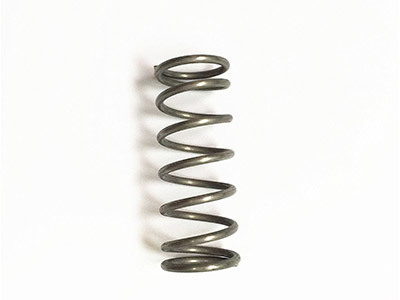
Compression springs are mechanical devices designed to absorb, store, and release energy. They are typically made of coiled wire, which allows them to compress under load. This design enables them to exert force when released, making them essential components in various mechanical systems.
The primary purpose of compression springs is to provide resistance against compressive forces. They operate under Hooke's Law, which states that the force exerted by the spring is proportional to its compression or extension. This fundamental principle makes compression springs invaluable in applications requiring controlled movement and energy storage.
2. The Role of Compression Springs in Mechanical Systems
In mechanical systems, compression springs play a crucial role in maintaining balance and efficiency. They provide the necessary force to counteract external loads, ensuring that machinery operates smoothly. These springs are used in various configurations, such as:
- **Supporting structures**: Compression springs are employed to support weights and maintain the stability of mechanical assemblies.
- **Dampening vibrations**: They can absorb vibrations and shocks, enhancing the longevity of machinery.
- **Facilitating movement**: Compression springs enable controlled movement in applications like valves and levers, improving overall mechanical efficiency.
3. Benefits of Compression Springs for Mechanical Efficiency
Compression springs offer several advantages that contribute to enhanced mechanical efficiency. They optimize system performance, reduce wear and tear, and lower operational costs. Here are some key benefits:
3.1 Enhanced Load Distribution and Stability
Compression springs help distribute loads evenly across mechanical components. This even distribution is vital in applications where uneven loads can lead to premature failure. By maintaining stability, compression springs ensure that machinery operates reliably and efficiently.
3.2 Energy Storage and Release
One of the primary functions of compression springs is their ability to store mechanical energy. When compressed, these springs store potential energy that can be released when needed. This property is essential in applications like automotive suspensions, where energy needs to be managed effectively to ensure smooth operation.
3.3 Space Optimization in Equipment Design
Compression springs are compact and versatile, allowing for space-efficient designs in machinery. Their ability to perform effectively within small confines means manufacturers can design more intricate and efficient systems, leading to better overall performance.
4. Applications of Compression Springs in Various Industries
Compression springs find applications in numerous industries, each benefiting from their unique properties. Here are some notable sectors that leverage the advantages of compression springs:
4.1 Automotive Industry
In the automotive sector, compression springs are crucial in various components, including suspensions, clutches, and valves. They enhance ride comfort, improve handling, and ensure reliable operation under varying loads. The efficient design of compression springs in vehicles contributes to better fuel efficiency and reduced emissions.
4.2 Aerospace Sector
The aerospace industry relies on compression springs for their lightweight properties and strength. They are integral in landing gear systems, control surfaces, and various actuation mechanisms. The ability of compression springs to withstand extreme conditions while maintaining performance is vital for safety and efficiency in aviation.
4.3 Industrial Machinery
In industrial applications, compression springs are used in assembly lines, conveyor belts, and machinery that requires precise force control. They help maintain the alignment of components, facilitate the loading and unloading of materials, and enhance the efficiency of automated systems.
5. Designing Compression Springs for Optimal Performance
To maximize the benefits of compression springs, it is essential to design them thoughtfully. Several factors influence the performance and efficiency of compression springs, including material selection and customization.
5.1 Material Selection
Choosing the right material for compression springs is critical. Common materials include stainless steel, carbon steel, and specialty alloys. Each material has unique properties that can affect the spring's strength, fatigue resistance, and corrosion resistance. Selecting the appropriate material ensures the spring can withstand the operational environment and load conditions.
5.2 Spring Configuration and Customization
Compression springs come in various configurations, such as cylindrical, conical, or barrel-shaped. Customizing the shape, size, and coil diameter can significantly impact performance. Engineers should consider factors like load requirements, space constraints, and operational dynamics when designing compression springs for specific applications.
6. Troubleshooting Common Issues with Compression Springs
Despite their robust design, compression springs can encounter issues that may impact their performance. Here are some common problems and potential solutions:
- **Fatigue Failure**: Over time, springs may lose their ability to return to their original shape. This can be addressed by selecting higher-quality materials or reducing operational stresses.
- **Corrosion**: Exposure to harsh environments can lead to corrosion. Using corrosion-resistant materials or protective coatings can mitigate this risk.
- **Incorrect Sizing**: Choosing an improperly sized spring can lead to malfunction. It is vital to calculate the required size and load capacity accurately.
7. Frequently Asked Questions (FAQs)
What are compression springs used for?
Compression springs are used in various applications, including automotive suspensions, aerospace systems, and industrial machinery, where they absorb and release energy.
How do compression springs work?
Compression springs work by storing mechanical energy when compressed and releasing it when allowed to expand, following Hooke's Law.
What materials are compression springs made of?
Common materials include stainless steel, carbon steel, and specialty alloys, each offering different properties for specific applications.
How do you determine the size of a compression spring?
Determining the size involves calculating the required load capacity, free length, and coil diameter based on the specific application.
Can compression springs fail?
Yes, compression springs can fail due to fatigue, corrosion, or improper sizing. Regular maintenance and monitoring can help prevent failures.
8. Conclusion
Compression springs are vital components that enhance mechanical efficiency across various industries. Their ability to store and release energy, stabilize loads, and optimize space makes them indispensable in modern machinery. By understanding their design, applications, and benefits, engineers and manufacturers can leverage compression springs to improve system performance and reduce operational costs. Investing in high-quality compression springs and ensuring their proper design will lead to significant improvements in mechanical efficiency and reliability in any application.
Related News
Contact Us
E-mail:
WhatsAPP:
Address:
Wen 'an Industrial New Area (small Farm), Langfang, Hebei, China