

Understanding Classy Compression Springs: A Comprehensive Guide for Professionals
Release Time:
2025-02-15
Compression springs are one of the most commonly used types of springs in various applications across multiple industries. As a professional in the manufacturing sector, understanding the nuances of "classy compression springs" can significantly enhance your knowledge of mechanical components and their functions. A classy compression spring is typically characterized by its exceptional design, hig

Compression springs are one of the most commonly used types of springs in various applications across multiple industries. As a professional in the manufacturing sector, understanding the nuances of "classy compression springs" can significantly enhance your knowledge of mechanical components and their functions.
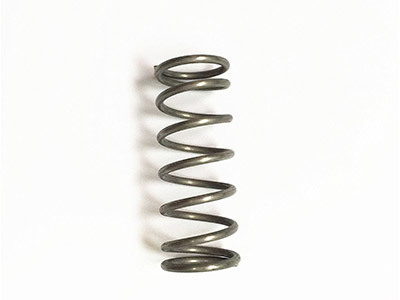
A classy compression spring is typically characterized by its exceptional design, high-quality materials, and precise manufacturing processes. These springs are designed to store mechanical energy when compressed and release it when the load is removed, making them essential in applications requiring force generation and energy absorption. The elegant design and engineering of classy compression springs provide not only functionality but also aesthetic appeal, which is crucial in certain applications where visual integration is important.
The manufacturing process of compression springs involves several key steps, including material selection, forming, heat treatment, and finishing. Typically, high-carbon steel, stainless steel, or alloy materials are chosen for their strength and durability. The wire is then coiled into the desired shape through various methods, including cold coiling and hot coiling, depending on the spring's specifications and intended use.
Heat treatment is another critical step, as it enhances the spring's mechanical properties, such as tensile strength and fatigue resistance. Finally, finishing processes, including surface treatment and coating, ensure that the springs meet specific performance criteria and aesthetic standards.
Classy compression springs find applications in numerous industries, including automotive, aerospace, electronics, and medical devices. For example, in the automotive sector, these springs are crucial components in suspension systems, providing the necessary support and stability. In the electronics industry, they are often used in switches and connectors, ensuring reliable performance over time.
Moreover, the design of classy compression springs can significantly impact their performance. Factors such as wire diameter, coil diameter, and the number of active coils all influence the spring's characteristics. Understanding these design parameters allows engineers to create tailored solutions that meet specific load requirements and operational conditions.
In conclusion, classy compression springs represent a blend of functionality and sophistication in the realm of mechanical components. By gaining a deeper understanding of their design, manufacturing processes, and application areas, professionals in the manufacturing sector can make informed decisions that enhance product performance and reliability. Whether you are involved in the design, production, or application of springs, knowledge of classy compression springs is invaluable in today’s competitive market.
A classy compression spring is typically characterized by its exceptional design, high-quality materials, and precise manufacturing processes. These springs are designed to store mechanical energy when compressed and release it when the load is removed, making them essential in applications requiring force generation and energy absorption. The elegant design and engineering of classy compression springs provide not only functionality but also aesthetic appeal, which is crucial in certain applications where visual integration is important.
The manufacturing process of compression springs involves several key steps, including material selection, forming, heat treatment, and finishing. Typically, high-carbon steel, stainless steel, or alloy materials are chosen for their strength and durability. The wire is then coiled into the desired shape through various methods, including cold coiling and hot coiling, depending on the spring's specifications and intended use.
Heat treatment is another critical step, as it enhances the spring's mechanical properties, such as tensile strength and fatigue resistance. Finally, finishing processes, including surface treatment and coating, ensure that the springs meet specific performance criteria and aesthetic standards.
Classy compression springs find applications in numerous industries, including automotive, aerospace, electronics, and medical devices. For example, in the automotive sector, these springs are crucial components in suspension systems, providing the necessary support and stability. In the electronics industry, they are often used in switches and connectors, ensuring reliable performance over time.
Moreover, the design of classy compression springs can significantly impact their performance. Factors such as wire diameter, coil diameter, and the number of active coils all influence the spring's characteristics. Understanding these design parameters allows engineers to create tailored solutions that meet specific load requirements and operational conditions.
In conclusion, classy compression springs represent a blend of functionality and sophistication in the realm of mechanical components. By gaining a deeper understanding of their design, manufacturing processes, and application areas, professionals in the manufacturing sector can make informed decisions that enhance product performance and reliability. Whether you are involved in the design, production, or application of springs, knowledge of classy compression springs is invaluable in today’s competitive market.
Related News
Contact Us
E-mail:
WhatsAPP:
Address:
Wen 'an Industrial New Area (small Farm), Langfang, Hebei, China