

Understanding Extension Springs: Essential Components for Door and Window Hardware
Release Time:
2024-12-12
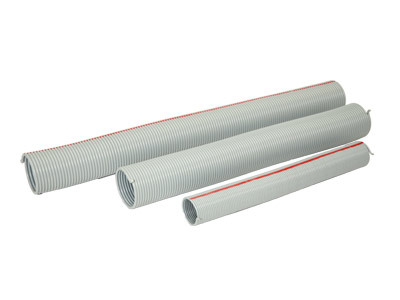
Extension springs are vital mechanical components often used in various applications, particularly in the realm of door and window hardware. These springs are designed to store and release energy, providing the necessary force to counterbalance weight and facilitate smooth operation. Understanding the mechanics and applications of extension springs can enhance the functionality and longevity of do

Extension springs are vital mechanical components often used in various applications, particularly in the realm of door and window hardware. These springs are designed to store and release energy, providing the necessary force to counterbalance weight and facilitate smooth operation. Understanding the mechanics and applications of extension springs can enhance the functionality and longevity of doors and windows in both residential and commercial settings.
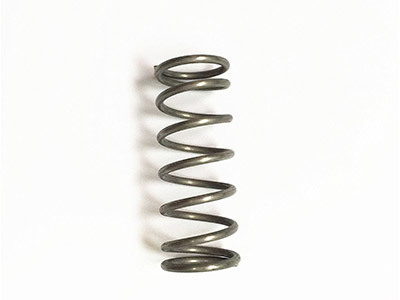
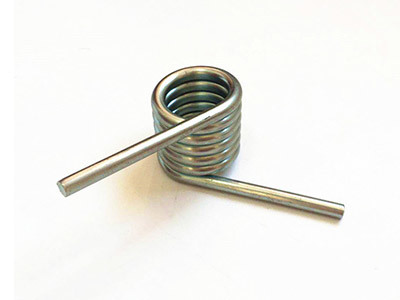
The primary function of an extension spring is to absorb and store energy when it is stretched. As the spring elongates, it develops tension, which can be released to provide a pulling force. This characteristic makes extension springs particularly useful in applications where consistent force is required, such as in the operation of screen doors, garage doors, and even window mechanisms. The design of the spring, including its coil diameter, wire gauge, and overall length, can greatly influence its performance, making it essential for professionals to choose the right specifications for their projects.
In the door and window hardware industry, extension springs can be found in various mechanisms, including balance systems for windows and tension assemblies for doors. Their ability to withstand repeated cycles of tension and compression makes them ideal for applications that require reliability and durability. Additionally, extension springs come in a variety of materials, including stainless steel and carbon steel, which offer different levels of corrosion resistance and strength. Selecting the appropriate material is critical, particularly in environments exposed to moisture or extreme temperatures.
When incorporating extension springs into designs, it is crucial to consider factors such as load capacity, cycle life, and installation requirements. Proper installation ensures that extension springs function optimally, preventing premature wear or failure. It is also important to account for the environment in which the springs will operate. For instance, in coastal areas, choosing a corrosion-resistant material can prolong the life of the hardware and reduce maintenance costs.
Moreover, understanding the force and extension characteristics of these springs is essential for achieving the desired performance. Professionals must calculate the spring constant, which relates to how much the spring will stretch under a given load. This knowledge enables them to design more effective and efficient door and window systems.
In summary, extension springs play a crucial role in the functionality of door and window hardware. By grasping their mechanics and applications, industry professionals can enhance the performance and durability of their products, ultimately leading to increased customer satisfaction and reduced maintenance issues. Proper selection, installation, and material choice are key factors that can significantly impact the efficiency and lifespan of these essential components.
The primary function of an extension spring is to absorb and store energy when it is stretched. As the spring elongates, it develops tension, which can be released to provide a pulling force. This characteristic makes extension springs particularly useful in applications where consistent force is required, such as in the operation of screen doors, garage doors, and even window mechanisms. The design of the spring, including its coil diameter, wire gauge, and overall length, can greatly influence its performance, making it essential for professionals to choose the right specifications for their projects.
In the door and window hardware industry, extension springs can be found in various mechanisms, including balance systems for windows and tension assemblies for doors. Their ability to withstand repeated cycles of tension and compression makes them ideal for applications that require reliability and durability. Additionally, extension springs come in a variety of materials, including stainless steel and carbon steel, which offer different levels of corrosion resistance and strength. Selecting the appropriate material is critical, particularly in environments exposed to moisture or extreme temperatures.
When incorporating extension springs into designs, it is crucial to consider factors such as load capacity, cycle life, and installation requirements. Proper installation ensures that extension springs function optimally, preventing premature wear or failure. It is also important to account for the environment in which the springs will operate. For instance, in coastal areas, choosing a corrosion-resistant material can prolong the life of the hardware and reduce maintenance costs.
Moreover, understanding the force and extension characteristics of these springs is essential for achieving the desired performance. Professionals must calculate the spring constant, which relates to how much the spring will stretch under a given load. This knowledge enables them to design more effective and efficient door and window systems.
In summary, extension springs play a crucial role in the functionality of door and window hardware. By grasping their mechanics and applications, industry professionals can enhance the performance and durability of their products, ultimately leading to increased customer satisfaction and reduced maintenance issues. Proper selection, installation, and material choice are key factors that can significantly impact the efficiency and lifespan of these essential components.
Related News
Contact Us
E-mail:
WhatsAPP:
Address:
Wen 'an Industrial New Area (small Farm), Langfang, Hebei, China