

Unlocking the Secrets of Torsion Springs in Architectural Applications
Release Time:
2024-12-13
Unlocking the Secrets of Torsion Springs in Architectural Applications Table of Contents Introduction to Torsion Springs and Their Role in Architecture What are Torsion Springs? How Torsion Springs Work Advantages of Torsion Springs in Architectural Design Common Applications of Torsion Springs in Buildings Design Considerations for Torsion Springs Best Practices for I

Unlocking the Secrets of Torsion Springs in Architectural Applications
Table of Contents
- Introduction to Torsion Springs and Their Role in Architecture
- What are Torsion Springs?
- How Torsion Springs Work
- Advantages of Torsion Springs in Architectural Design
- Common Applications of Torsion Springs in Buildings
- Design Considerations for Torsion Springs
- Best Practices for Installing Torsion Springs
- Troubleshooting and Maintenance of Torsion Springs
- Conclusion
- FAQs
Introduction to Torsion Springs and Their Role in Architecture
Torsion springs are an essential yet often overlooked component in architectural applications. These springs store and release potential energy by twisting, making them immensely useful in various designs, including doors, windows, and specialized architectural features. In this article, we will delve into the fascinating world of torsion springs, explaining their mechanics, applications, and the benefits they bring to modern architecture.
What are Torsion Springs?
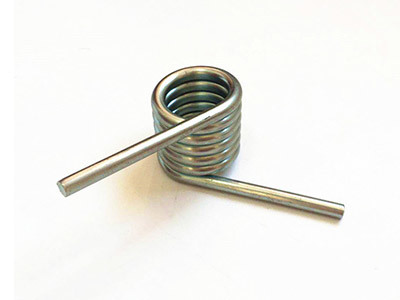
Torsion springs are mechanical devices designed to exert torque or rotational force. Unlike compression or extension springs that react to axial loads, torsion springs operate by twisting along their axis. Typically made from high-carbon steel or stainless steel, these springs come in various shapes and sizes to suit different applications. Their primary function is to return to their original twisted state when a load is applied, offering a reliable and efficient means of storing energy.
Types of Torsion Springs
There are several types of torsion springs, including:
1. **Single Torsion Springs**: These are the simplest form, characterized by a single coil that twists to store energy.
2. **Double Torsion Springs**: Featuring two coils twisted in opposite directions, these springs provide more torque and energy storage.
3. **Variable Pitch Torsion Springs**: These are designed with coils that vary in spacing, allowing for custom torque characteristics.
Understanding the specific type of torsion spring required for an architectural application is crucial for achieving optimal performance.
How Torsion Springs Work
The operation of a torsion spring is based on the principles of rotational physics. When a force is applied to twist the spring, it accumulates potential energy. The amount of energy stored is proportional to the angle of twist and the spring's properties. Once the force is removed, the spring returns to its original position, releasing the stored energy.
The Formula for Torsion Springs
The torque (\(T\)) exerted by a torsion spring can be calculated using the formula:
\[ T = k \cdot \theta \]
Where:
- \(T\) is the torque
- \(k\) is the spring constant (a measure of stiffness)
- \(\theta\) is the angle of twist (in radians)
This formula is vital for engineers and architects in selecting the appropriate spring for their needs.
Advantages of Torsion Springs in Architectural Design
Torsion springs offer numerous advantages, making them a preferred choice in various architectural applications:
1. **Space Efficiency**: Their compact design allows for integration in tight spaces where traditional mechanisms may not fit.
2. **Durability**: Made from high-strength materials, torsion springs can withstand repetitive motion without significant wear, making them ideal for long-lasting applications.
3. **Versatile Applications**: Whether it’s in doors, windows, or specialized architectural features, torsion springs can be tailored to meet specific functional requirements.
4. **Cost-Effective Solutions**: Their efficient design reduces the need for additional components, lowering overall costs for projects.
Common Applications of Torsion Springs in Buildings
Torsion springs find applications in various architectural elements, enhancing both functionality and aesthetics. Some of the common uses include:
1. Door Mechanisms
Torsion springs are frequently used in door closing mechanisms, ensuring that doors close smoothly and securely after being opened. This application is particularly common in commercial buildings where extensive foot traffic necessitates robust door systems.
2. Window Operators
In operable windows, torsion springs help manage the opening and closing mechanism, allowing for easy operation while maintaining a secure fit when closed.
3. Shutter Systems
Many architectural designs incorporate shutters for aesthetic and functional purposes. Torsion springs enable these systems to open and close effortlessly, providing privacy and light control.
4. Foldable Structures
In modern architectural designs, foldable elements such as walls or roofs often utilize torsion springs to facilitate movement and flexibility.
5. Specialized Mechanical Systems
Torsion springs are also integral to various mechanical systems in buildings, including retractable awnings, automated blinds, and other innovative architectural features.
Design Considerations for Torsion Springs
When integrating torsion springs into architectural designs, several considerations must be taken into account:
1. Load Requirements
Understanding the load requirements is essential for selecting the correct spring size and type. Engineers should evaluate the maximum force that the spring will need to handle to ensure durability and functionality.
2. Material Selection
Selecting the right material for the torsion spring is crucial. High-carbon steel is common due to its strength and resilience, while stainless steel may be preferred in environments prone to corrosion.
3. Environmental Factors
Consideration of environmental factors such as temperature fluctuations, humidity, and exposure to chemicals can influence the performance and lifespan of torsion springs.
4. Safety Margins
Instructing a safety margin in the design process ensures that torsion springs can handle unexpected loads without failing, contributing to overall building safety.
Best Practices for Installing Torsion Springs
Proper installation is critical to the performance of torsion springs. Here are some best practices to consider:
1. Professional Installation
While some installations can be DIY, we recommend consulting with professionals for complex systems. They can ensure that the springs are correctly calibrated and installed.
2. Regular Maintenance
Scheduled maintenance checks can help identify wear and tear before it leads to failure. This proactive approach can save time and costs in the long run.
3. Secure Fastening
Ensure that all fastenings and connections are secure. Loose fittings can lead to premature wear or malfunction of the spring.
Troubleshooting and Maintenance of Torsion Springs
Even with careful installation, issues may arise with torsion springs over time. Here are some troubleshooting tips:
1. Identifying Spring Fatigue
Signs of fatigue include decreased response time, unusual noises, or visible deformation. If these symptoms are present, it may be time to replace the spring.
2. Keeping Springs Lubricated
Applying appropriate lubrication can help reduce friction and wear on the spring’s surfaces, prolonging its lifespan.
3. Inspecting for Corrosion
Regularly inspecting for signs of corrosion is essential, especially in humid environments. Addressing these issues promptly can prevent further damage.
Conclusion
Torsion springs are more than just mechanical components; they are vital elements that contribute to the functionality and aesthetic appeal of modern architecture. By understanding their mechanics, applications, and the best practices for integration, architects and builders can leverage the advantages of torsion springs effectively. This knowledge not only enhances the structural integrity of a building but also aligns with contemporary design principles that prioritize efficiency and user experience.
FAQs
1. What is the primary function of a torsion spring?
Torsion springs primarily store and release rotational energy by twisting along their axis.
2. How do I choose the right torsion spring for my application?
Consider the load requirements, environmental factors, and material selection when choosing a torsion spring for your application.
3. Can torsion springs be used in residential applications?
Yes, torsion springs are commonly used in residential applications such as garage doors and window operators.
4. What maintenance do torsion springs require?
Regular inspection for wear, lubrication, and checking for corrosion are essential maintenance tasks for torsion springs.
5. How long do torsion springs typically last?
The lifespan of torsion springs varies based on usage and environmental factors, but with proper maintenance, they can last many years.
Related News
Contact Us
E-mail:
WhatsAPP:
Address:
Wen 'an Industrial New Area (small Farm), Langfang, Hebei, China