

Understanding the Importance of Fixing Garage Springs: Safety, Efficiency, and Longevity
Release Time:
2024-12-11
Understanding the Importance of Fixing Garage Springs Garage doors are an essential feature of modern homes, providing security and ease of access. Among the various components that make up a garage door system, garage springs play a pivotal role. Understanding their function, the potential issues that can arise, and the importance of timely repairs can significantly enhance your safety, convenien

Understanding the Importance of Fixing Garage Springs
Garage doors are an essential feature of modern homes, providing security and ease of access. Among the various components that make up a garage door system, garage springs play a pivotal role. Understanding their function, the potential issues that can arise, and the importance of timely repairs can significantly enhance your safety, convenience, and the overall longevity of your garage door system.
In this article, we will delve into every aspect of garage springs, from their types and functions to identification of problems and repair solutions. We will ensure you have a comprehensive understanding to maintain your garage door effectively.
Table of Contents
1. What Are Garage Springs?
2. Different Types of Garage Springs
3. How Garage Springs Work
4. Common Issues with Garage Springs
5. Signs Your Garage Spring Needs Repair
6. The Importance of Fixing Garage Springs
7. Repairing Garage Springs: DIY vs. Professionals
8. Preventive Maintenance for Garage Springs
9. Frequently Asked Questions
10. Conclusion
What Are Garage Springs?
Garage springs are mechanical devices that assist in the lifting and lowering of your garage door. They are designed to counterbalance the weight of the door, making it easy to operate. Without properly functioning springs, the garage door can become extremely heavy and difficult to lift, posing safety risks.
There are two primary types of garage springs: torsion springs and extension springs. Each type functions differently but ultimately serves the same purpose—facilitating the smooth operation of the garage door.
Different Types of Garage Springs
Torsion Springs
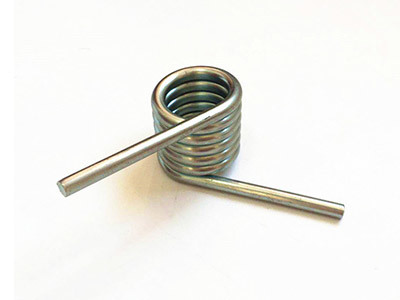
Torsion springs are usually mounted above the garage door. As the door closes, these springs twist around a shaft, storing energy. This energy is released when the door is opened, lifting the door with ease. Torsion springs are favored for their durability and ability to handle heavier doors.
Extension Springs
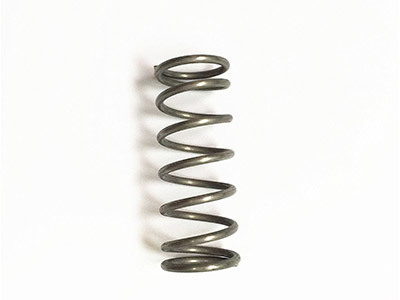
Extension springs are typically located on either side of the garage door. As the door closes, these springs extend, storing energy, which is released when the door opens. While extension springs can be less expensive, they often require more maintenance and are generally not as long-lasting as torsion springs.
How Garage Springs Work
Garage door springs are an ingenious mechanism that works on the principle of physics, specifically tension and compression. When the garage door is closed, the springs are in a compressed state. As the door is opened, the tension in the springs aids in lifting the door, allowing for a smooth operation.
Understanding how these springs work is crucial for diagnosing issues. A malfunctioning spring can lead to uneven door operation, increased wear on the garage opener, and even potential safety hazards.
Common Issues with Garage Springs
Garage springs, like any mechanical device, are subject to wear and tear. Some common issues include:
1. **Breakage**: Over time, springs can break due to metal fatigue. A broken spring can render your garage door inoperable.
2. **Misalignment**: If the springs are not aligned correctly, this can lead to uneven lifting and closing of the door.
3. **Rust and Corrosion**: Exposure to moisture can cause springs to rust, weakening their structure and performance.
4. **Worn-out Parts**: Other components related to the springs, such as pulleys and cables, can also wear out, leading to failure.
Signs Your Garage Spring Needs Repair
Recognizing the signs that your garage springs need repair is essential. Look out for these indicators:
1. **Difficulty Opening or Closing**: If the garage door is hard to lift or close, it could be due to spring issues.
2. **Uneven Door Movement**: An uneven door may indicate a problem with one of the springs.
3. **Loud Noises**: Unusual sounds during operation, such as squeaking or grinding, can signify worn-out springs.
4. **Visible Damage**: Inspect the springs for any visible signs of wear, rust, or breakage.
5. **Door Stops Mid-Operation**: If the door stops unexpectedly while opening or closing, immediate inspection is necessary.
The Importance of Fixing Garage Springs
Neglecting to fix garage springs can lead to several significant issues:
1. **Safety Risks**: A malfunctioning garage door can pose serious safety hazards. The door might fall unexpectedly, risking injury to anyone nearby.
2. **Property Damage**: A faulty garage door can cause damage to your vehicle or other property due to unexpected drops or incorrect movements.
3. **Increased Repair Costs**: Delaying spring repairs can lead to more extensive damage to the entire garage door system, resulting in higher repair costs down the line.
4. **Energy Efficiency**: A malfunctioning door can lead to increased energy bills, especially if it does not seal properly due to spring issues.
5. **Convenience**: A working garage door is essential for everyday convenience. Fixing springs ensures that you don’t face interruptions when accessing your garage.
Repairing Garage Springs: DIY vs. Professionals
When it comes to repairing garage springs, there are two primary routes to take: DIY repairs or hiring a professional.
DIY Repairs
While some homeowners may feel confident tackling garage spring repairs themselves, it's crucial to understand that this can be dangerous. Garage springs are under significant tension, and improper handling can lead to serious injuries. If you choose to go the DIY route, make sure to follow safety protocols and have the right tools.
Hiring a Professional
Hiring a professional for garage spring repairs is typically the safer and more efficient option. Professionals have the expertise and tools necessary to handle repairs quickly and safely. They can also identify and address other potential issues that may not be immediately visible to an untrained eye.
Preventive Maintenance for Garage Springs
To ensure the longevity of your garage springs and minimize the need for repairs, consider the following preventive maintenance tips:
1. **Regular Inspections**: Regularly inspect your garage springs for signs of wear or damage. Catching issues early can save you from costly repairs.
2. **Lubrication**: Lubricate the springs and other moving parts to reduce friction and wear. Use a silicone-based lubricant for best results.
3. **Balance Checks**: Regularly check the balance of your garage door. An unbalanced door can put undue stress on the springs.
4. **Professional Servicing**: Schedule periodic professional maintenance to ensure all components of your garage door system are functioning optimally.
Frequently Asked Questions
1. How long do garage springs last?
Garage springs typically last between 7 to 12 years, depending on usage and maintenance.
2. Can I replace garage springs myself?
While it’s possible, it is not recommended due to safety risks. Hiring a professional is the safer option.
3. What is the cost of garage spring replacement?
The cost can vary significantly, typically ranging from $150 to $350, depending on the type of spring and labor costs.
4. How can I tell which type of spring I have?
Identify the spring by its location: torsion springs are usually above the door, while extension springs are on the sides.
5. What should I do if my garage door won’t open?
Check for broken springs, and if you find any, refrain from using the door and contact a professional for repairs.
Conclusion
Understanding the importance of fixing garage springs is crucial for maintaining a functional and safe garage door system. Regular inspections, timely repairs, and proper maintenance can extend the lifespan of your springs and enhance the overall performance of your garage door. Whether you choose to handle repairs yourself or hire a professional, acknowledging the signs of wear and addressing issues promptly will save you time, money, and potential safety hazards in the long run. Prioritize the health of your garage door system, and enjoy the peace of mind that comes with a well-functioning garage door.
Related News
Contact Us
E-mail:
WhatsAPP:
Address:
Wen 'an Industrial New Area (small Farm), Langfang, Hebei, China