

Essential Guide to MIG Welder Liner Replacement: Ensuring Optimal Performance
Release Time:
2024-12-08
When it comes to welding, having reliable equipment is key to achieving quality results. One often-overlooked component of a MIG welder is the liner, which plays a significant role in the overall performance of the machine. A MIG welder liner is responsible for guiding the welding wire from the spool to the welding gun. Over time, due to wear and tear, the liner can become damaged or clogged, lead

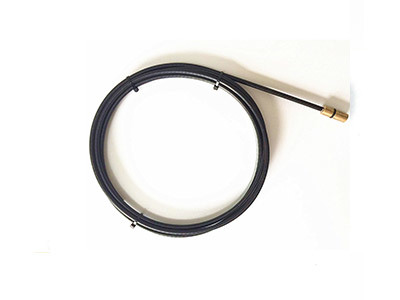
When it comes to welding, having reliable equipment is key to achieving quality results. One often-overlooked component of a MIG welder is the liner, which plays a significant role in the overall performance of the machine. A MIG welder liner is responsible for guiding the welding wire from the spool to the welding gun. Over time, due to wear and tear, the liner can become damaged or clogged, leading to feed problems and inconsistent weld quality. Therefore, understanding when and how to replace your MIG welder liner is essential for any welding professional.
**Why Replace the MIG Welder Liner?**
Regularly replacing the MIG welder liner contributes to smoother wire feeding and improved welding performance. A worn or damaged liner can cause issues such as wire jamming, inconsistent arc stability, and excessive spatter, which can compromise the quality of your welds. By preemptively replacing the liner, you can prevent these issues and maintain the integrity of your welding projects.
**When to Replace the Liner?**
There are several signs that indicate it may be time to replace your MIG welder liner. If you notice increased resistance when feeding the wire, frequent wire jams, or a noticeable decrease in welding quality, it’s likely time for a replacement. Additionally, if you are switching wire types or sizes, it may be beneficial to install a liner that is specifically designed for the new wire you are using.
**How to Replace the MIG Welder Liner**
Replacing the liner in your MIG welder is a straightforward process that can be done with minimal tools. Follow these steps:
1. **Power Off the Welder:** Always ensure that the welder is unplugged and powered down before beginning any maintenance tasks.
2. **Remove the Welding Gun:** Disconnect the welding gun from the main unit and access the liner. Depending on the model, you may need to remove screws or clips.
3. **Extract the Old Liner:** Carefully pull out the old liner from the welding gun and the feed mechanism. Take note of its length and any fittings.
4. **Install the New Liner:** Insert the new liner into the feed mechanism and guide it through the welding gun, ensuring it is properly seated and aligned.
5. **Reassemble the Gun:** Once the new liner is in place, reattach the welding gun to the welder and ensure all connections are secure.
6. **Test the Welder:** Finally, power up the welder and test it with a sample weld to ensure that everything is functioning correctly.
**Conclusion**
Regular maintenance, including MIG welder liner replacement, is vital for ensuring optimal performance of your welding equipment. By recognizing the signs of wear, knowing when to replace the liner, and following the proper replacement procedure, you can enhance your welding experience and produce high-quality results consistently. Investing time in maintaining your equipment will pay off in improved efficiency and longevity, allowing you to focus on your work with confidence.
**Why Replace the MIG Welder Liner?**
Regularly replacing the MIG welder liner contributes to smoother wire feeding and improved welding performance. A worn or damaged liner can cause issues such as wire jamming, inconsistent arc stability, and excessive spatter, which can compromise the quality of your welds. By preemptively replacing the liner, you can prevent these issues and maintain the integrity of your welding projects.
**When to Replace the Liner?**
There are several signs that indicate it may be time to replace your MIG welder liner. If you notice increased resistance when feeding the wire, frequent wire jams, or a noticeable decrease in welding quality, it’s likely time for a replacement. Additionally, if you are switching wire types or sizes, it may be beneficial to install a liner that is specifically designed for the new wire you are using.
**How to Replace the MIG Welder Liner**
Replacing the liner in your MIG welder is a straightforward process that can be done with minimal tools. Follow these steps:
1. **Power Off the Welder:** Always ensure that the welder is unplugged and powered down before beginning any maintenance tasks.
2. **Remove the Welding Gun:** Disconnect the welding gun from the main unit and access the liner. Depending on the model, you may need to remove screws or clips.
3. **Extract the Old Liner:** Carefully pull out the old liner from the welding gun and the feed mechanism. Take note of its length and any fittings.
4. **Install the New Liner:** Insert the new liner into the feed mechanism and guide it through the welding gun, ensuring it is properly seated and aligned.
5. **Reassemble the Gun:** Once the new liner is in place, reattach the welding gun to the welder and ensure all connections are secure.
6. **Test the Welder:** Finally, power up the welder and test it with a sample weld to ensure that everything is functioning correctly.
**Conclusion**
Regular maintenance, including MIG welder liner replacement, is vital for ensuring optimal performance of your welding equipment. By recognizing the signs of wear, knowing when to replace the liner, and following the proper replacement procedure, you can enhance your welding experience and produce high-quality results consistently. Investing time in maintaining your equipment will pay off in improved efficiency and longevity, allowing you to focus on your work with confidence.
Related News
Contact Us
E-mail:
WhatsAPP:
Address:
Wen 'an Industrial New Area (small Farm), Langfang, Hebei, China