

Maximizing Efficiency: MIG Welder Liner Replacement Techniques for Enhanced Performance
Release Time:
2024-12-07
Maximizing Efficiency: MIG Welder Liner Replacement Techniques Table of Contents 1. Introduction to MIG Welding and Liner Importance 2. Understanding MIG Welder Liners 2.1 Types of MIG Welder Liners 2.2 Materials Used in Liners 3. Signs of Liner Wear and Replacement 4. MIG Welder Liner Replacement Techniques 4.1 Prepar

Maximizing Efficiency: MIG Welder Liner Replacement Techniques
Table of Contents
- 1. Introduction to MIG Welding and Liner Importance
- 2. Understanding MIG Welder Liners
- 3. Signs of Liner Wear and Replacement
- 4. MIG Welder Liner Replacement Techniques
- 4.1 Preparation Steps for Replacement
- 4.2 Step-by-Step Liner Replacement Process
- 4.3 Best Practices for Liner Replacement
- 5. Maintaining Your MIG Welder Liners
- 6. Common Issues After Liner Replacement
- 7. Frequently Asked Questions
- 8. Conclusion
1. Introduction to MIG Welding and Liner Importance
MIG (Metal Inert Gas) welding stands out as a versatile and efficient method for joining metals. The process utilizes a continuous wire feed, making it suitable for both thick and thin materials. At the heart of this operation lies the MIG welder liner, which plays a crucial role in guiding the welding wire smoothly through the gun. A well-maintained liner ensures consistent wire feeding, reduces downtime, and enhances overall welding performance. In this article, we delve into effective MIG welder liner replacement techniques that can maximize efficiency and extend the lifespan of your equipment.
2. Understanding MIG Welder Liners
To appreciate the significance of MIG welder liners, it’s essential to understand their function and types.
2.1 Types of MIG Welder Liners
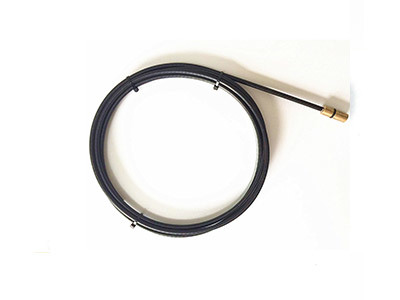
There are primarily two types of liners used in MIG welders:
1. **Plastic Liners** - These liners are lightweight and flexible, making them ideal for short runs and light-duty applications. They are often self-lubricating, reducing the need for additional maintenance.
2. **Metal Liners** - Typically made of steel or stainless steel, these liners offer durability and are suitable for heavy-duty applications. They are preferred for their ability to withstand higher temperatures and wear.
2.2 Materials Used in Liners
MIG welder liners can be constructed from several materials, including:
- **PTFE (Teflon)** - Known for its low friction properties, PTFE liners provide excellent wire feed performance.
- **Polyethylene** - This material is lightweight and economical, suitable for basic applications.
- **Steel** - Offers superior strength and is typically used in more demanding welding environments.
3. Signs of Liner Wear and Replacement
Recognizing when it's time to replace your MIG welder liner is crucial for maintaining efficiency. Here are common signs of wear:
- **Inconsistent Wire Feeding** - If you notice frequent wire jams or inconsistent feed rates, it may indicate a worn liner.
- **Visible Damage** - Cracks, kinks, or other visible damage to the liner can hinder performance.
- **Excessive Welding Spatter** - Increased spatter can signal that the liner is not guiding the wire correctly.
4. MIG Welder Liner Replacement Techniques
Replacing your MIG welder liner is a straightforward process if done correctly. Below, we outline the essential steps and best practices.
4.1 Preparation Steps for Replacement
Before diving into the replacement process, follow these preparation steps:
1. **Gather Necessary Tools** - Ensure you have all required tools, including pliers, a wrench, a new liner, and safety equipment.
2. **Disconnect Power** - Always disconnect your welder from the power source to prevent accidents.
3. **Remove the Welding Gun** - Detach the welding gun from the machine according to the manufacturer’s instructions.
4.2 Step-by-Step Liner Replacement Process
The following detailed steps will guide you through the liner replacement:
1. **Remove the Old Liner**: Carefully pull the old liner from the welding gun. You may need to use pliers for assistance.
2. **Clean the Gun**: Before installing the new liner, clean the inside of the gun to remove any debris or residue.
3. **Install the New Liner**: Insert the new liner into the welding gun, ensuring it fits snugly. Secure it according to the manufacturer's specifications.
4. **Reattach the Gas Hose**: Make sure to reconnect the gas hose properly to avoid leaks.
5. **Test the Setup**: Reconnect the welding gun to the machine and test the wire feed before beginning any welding projects.
4.3 Best Practices for Liner Replacement
To ensure longevity and reliability in your MIG welder:
- **Choose Quality Liners**: Do not compromise on quality. Invest in high-grade liners that can withstand the demands of your welding tasks.
- **Regular Maintenance Checks**: Schedule regular checks on your liner and other components to catch wear early.
- **Follow Manufacturer Guidelines**: Always adhere to the specific guidelines provided by your equipment's manufacturer.
5. Maintaining Your MIG Welder Liners
Proper maintenance can significantly enhance the lifespan of your MIG welder liners. Here are some maintenance tips:
- **Lubricate When Necessary**: Use lubricants specifically designed for MIG welding equipment to minimize friction and wear.
- **Routine Inspections**: Schedule regular inspections to check for signs of wear and tear.
- **Keep the Workspace Clean**: A clean welding environment reduces contaminants that could affect liner performance.
6. Common Issues After Liner Replacement
After replacing a MIG welder liner, some common issues may arise:
- **Wire Feed Problems**: If the wire feed remains inconsistent after replacement, double-check the alignment and installation of the liner.
- **Increased Spatter**: Elevated spatter levels can indicate that the wire speed and voltage settings require adjustment.
- **Gas Leaks**: Ensure all connections, especially the gas hose, are securely affixed to prevent leaks.
7. Frequently Asked Questions
1. How often should I replace my MIG welder liner?
It's recommended to inspect your liner every few months. Depending on usage, replacement may be necessary every 6-12 months.
2. Can I replace the liner without professional help?
Yes, replacing the liner can be done by yourself with basic tools if you follow the manufacturer’s instructions carefully.
3. What are the signs of a failing MIG welder liner?
Signs include inconsistent wire feed, visible wear such as cracks or kinks, and increased spatter during welding.
4. Are all MIG welder liners compatible with any welder?
No, it's essential to choose liners that are compatible with your specific MIG welder model for optimal performance.
5. What should I do if I experience issues after replacing the liner?
If problems persist after replacement, check the installation, inspect for any other damaged components, and consult the manufacturer’s guidelines.
8. Conclusion
Maximizing efficiency in MIG welding hinges significantly on the proper maintenance and timely replacement of the welder liner. By understanding the types of liners, recognizing signs of wear, and employing effective replacement techniques, you can enhance the performance of your MIG welder. Regular maintenance not only prolongs the life of the equipment but also ensures high-quality welds and operational safety. Follow the best practices outlined in this guide to keep your welding projects running smoothly and efficiently.
Related News
Contact Us
E-mail:
WhatsAPP:
Address:
Wen 'an Industrial New Area (small Farm), Langfang, Hebei, China