

Understanding the Importance of Quick Door Springs in Modern Architecture
Release Time:
2024-12-09
Understanding the Importance of Quick Door Springs in Modern Architecture Modern architecture constantly evolves to meet functional demands while enhancing aesthetic appeal. Among the various components that contribute to this dynamic, **quick door springs** play an essential role. These ingenious devices facilitate the smooth operation of doors, providing convenience and efficiency in both reside

Understanding the Importance of Quick Door Springs in Modern Architecture
Modern architecture constantly evolves to meet functional demands while enhancing aesthetic appeal. Among the various components that contribute to this dynamic, **quick door springs** play an essential role. These ingenious devices facilitate the smooth operation of doors, providing convenience and efficiency in both residential and commercial settings. This article explores the significance of quick door springs in modern architecture, their various types, benefits, installation methods, and their overall impact on building design and functionality.
Table of Contents
1. What Are Quick Door Springs?
2. The History of Door Spring Technology
3. Types of Quick Door Springs
- 3.1 Tension Springs
- 3.2 Compression Springs
- 3.3 Torsion Springs
4. Benefits of Quick Door Springs
- 4.1 Enhanced Safety
- 4.2 Energy Efficiency
- 4.3 User Convenience
5. Installation of Quick Door Springs
6. Maintenance and Repair
7. Quick Door Springs in Commercial Architecture
8. The Future of Door Spring Technology
9. FAQs
10. Conclusion
What Are Quick Door Springs?
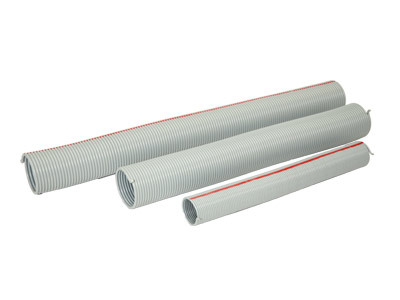
Quick door springs are mechanical devices attached to doors that assist in their opening and closing by providing a counterbalancing force. This mechanism ensures that doors operate smoothly and efficiently, minimizing wear and tear on hinges and other components. Typically made from durable materials, quick door springs absorb and release energy, enabling doors to open and close with minimal user effort.
The History of Door Spring Technology
The origins of door spring technology can be traced back to the early 19th century when innovation in mechanical engineering began to take shape. As the demand for more functional and user-friendly door systems grew, the industry witnessed the evolution of various spring types. The early models utilized simple tension springs, which have since advanced into more sophisticated designs, including torsion and compression springs. This evolution has paved the way for the extensive use of quick door springs in modern architecture.
Types of Quick Door Springs
Understanding the different types of quick door springs is crucial for architects, builders, and homeowners. Here, we delve into the most prevalent types used in modern architecture.
Tension Springs
Tension springs work by absorbing energy when stretched and releasing it when the force is removed. These springs are typically found in lightweight doors, such as interior and screen doors. They are valued for their simplicity and effectiveness in ensuring that doors close gently after being opened.
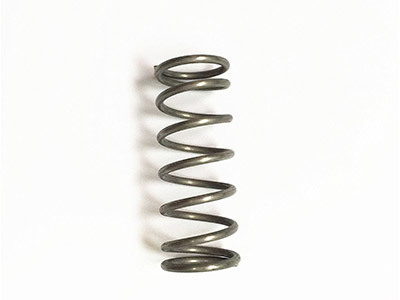
Compression Springs
Compression springs function by compressing when a load is applied and expanding when the load is removed. These springs are ideal for heavier doors, such as those used in commercial applications. Their robust construction allows them to handle significant weight while maintaining smooth operation.
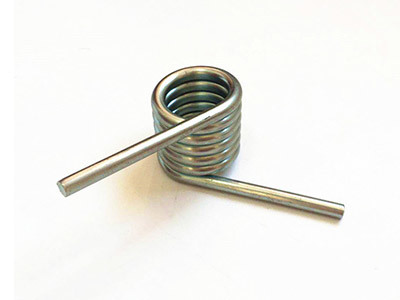
Torsion Springs
Torsion springs are designed to operate under torsional or rotational forces. They are commonly used in garage doors and larger entryways, providing a powerful mechanism that allows heavy doors to open and close with ease. Torsion springs offer a strong balance of strength and precision, making them a preferred choice in demanding architectural applications.
Benefits of Quick Door Springs
The implementation of quick door springs in modern architecture offers numerous advantages, enhancing both design and functionality.
Enhanced Safety
Quick door springs contribute significantly to safety in buildings. By ensuring that doors close securely without slamming, they reduce the risk of accidents and injuries. Additionally, they can be designed to work with fire doors, ensuring that safety regulations are met while providing an effective barrier in case of emergencies.
Energy Efficiency
Incorporating **quick door springs** improves a building's energy efficiency. By effectively sealing doors when closed, these springs help maintain indoor temperatures, reducing the reliance on heating and cooling systems. This energy efficiency not only lowers utility bills but also contributes to a building's sustainability credentials.
User Convenience
The convenience offered by quick door springs cannot be overstated. They allow for easy access, especially in high-traffic areas, such as entryways or commercial spaces. Users can effortlessly open and close doors, providing a seamless experience that enhances the overall functionality of the space.
Installation of Quick Door Springs
Installing quick door springs requires careful consideration of various factors, including door weight, size, and intended use. It is crucial to follow manufacturer instructions and industry best practices to ensure optimal performance.
1. **Assessment**: Determine the weight and size of the door to select the appropriate spring type.
2. **Preparation**: Gather all necessary tools and materials. Ensure that the door frame is in good condition to accommodate the new springs.
3. **Installation**: Follow specific instructions for fitting the spring, securing it in place, and adjusting tension levels as needed.
4. **Testing**: After installation, thoroughly test the door's operation to confirm that it opens and closes smoothly.
Maintenance and Repair
Regular maintenance is essential for quick door springs to function correctly and extend their lifespan. Here are some key maintenance tips:
1. **Inspection**: Regularly check for any signs of wear, rust, or damage. Early detection can prevent costly repairs.
2. **Lubrication**: Apply lubricant to the springs and hinges to reduce friction and ensure smooth operation.
3. **Adjustment**: Periodically adjust the tension of the springs as needed to maintain optimal performance.
In case of damage, timely repairs or replacements are crucial to avoid compromising safety and functionality.
Quick Door Springs in Commercial Architecture
In commercial architecture, quick door springs are particularly beneficial. High-traffic areas require robust mechanisms that can withstand constant use while ensuring user safety and convenience. Quick door springs enhance the functionality of entryways, loading docks, and emergency exits, making them indispensable in commercial design. Additionally, their aesthetic compatibility allows architects to integrate them seamlessly into various architectural styles.
The Future of Door Spring Technology
As technology continues to advance, the future of quick door springs holds exciting possibilities. Innovations in materials, such as lightweight composites and smart materials, are likely to enhance their performance and durability. Moreover, the integration of automation and smart technology will enable doors to operate intuitively, improving user experience and building efficiency. As architects and builders prioritize sustainability, quick door springs will play a pivotal role in creating eco-friendly and energy-efficient structures.
FAQs
1. What materials are quick door springs made from?
Quick door springs are commonly made from high-carbon steel, stainless steel, or other durable materials that can withstand repeated use and environmental exposure.
2. How can I determine the right type of quick door spring for my project?
The right type of quick door spring depends on the door's weight, size, and usage. Assess these factors carefully, and consult with professionals if needed.
3. How often should I perform maintenance on my door springs?
Routine maintenance should be performed at least bi-annually, but more frequent checks may be necessary in high-traffic areas.
4. Can quick door springs be used in residential applications?
Yes, quick door springs are suitable for both residential and commercial applications, enhancing functionality and convenience in any setting.
5. What should I do if my quick door spring breaks?
If a quick door spring breaks, it is essential to replace it promptly. Consult with a professional for repair or replacement to ensure safety and proper functionality.
Conclusion
Quick door springs are an integral part of modern architecture, providing essential benefits that enhance both functionality and aesthetics. As we have explored, these devices contribute to safety, energy efficiency, and user convenience across various applications. With ongoing advancements in technology, the future of door spring innovation promises to further improve their performance and integration into architectural design. By understanding the importance of quick door springs, we can appreciate their role in creating more efficient, safe, and welcoming spaces in our built environment.
Related News
Contact Us
E-mail:
WhatsAPP:
Address:
Wen 'an Industrial New Area (small Farm), Langfang, Hebei, China