

Understanding MTD Drive Belt Tension Springs: Essential Insights for Manufacturing Professionals
Release Time:
2024-12-04
In the realm of manufacturing and machinery, the MTD drive belt tension spring plays a pivotal role in ensuring the smooth operation of various mechanical systems. Tension springs, specifically designed for drive belts, are essential components that help maintain the necessary tension on the belt, allowing for efficient power transmission and reducing wear and tear on both the belt and the associa

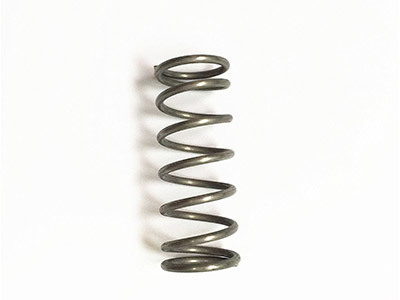
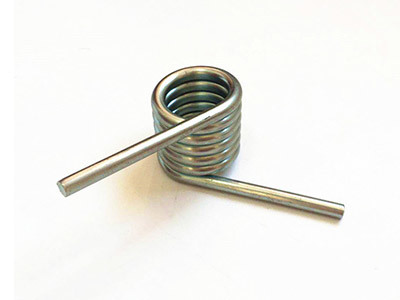
In the realm of manufacturing and machinery, the MTD drive belt tension spring plays a pivotal role in ensuring the smooth operation of various mechanical systems. Tension springs, specifically designed for drive belts, are essential components that help maintain the necessary tension on the belt, allowing for efficient power transmission and reducing wear and tear on both the belt and the associated machinery.
The primary function of an MTD drive belt tension spring is to keep the drive belt taut, which is crucial for preventing slippage. When a drive belt loses tension, it can lead to inefficient power transfer, increased friction, and potential damage to the belt and other components. This tension spring exerts a force that counteracts the natural tendency of the belt to become loose over time, ensuring that the belt remains securely in place during operation.
Manufacturers utilize MTD drive belt tension springs in various applications, including lawn mowers, automotive engines, and industrial machinery. The design and material of these springs are critical, often crafted from high-quality steel or other durable materials to withstand the constant stress and strain of mechanical operations. The specific properties of these springs, such as their length, diameter, and tensile strength, are tailored to meet the demands of the particular application they are used in.
Regular maintenance of the drive belt and tension spring is essential for optimal performance. Over time, environmental factors, wear, and corrosion can deteriorate the effectiveness of the tension spring. Therefore, periodic inspections are recommended to identify any signs of wear and replace the spring when necessary. Additionally, ensuring that the drive belt is properly aligned and adequately lubricated can further enhance the lifespan of both the belt and the tension spring.
Moreover, understanding the specifications and operational characteristics of MTD drive belt tension springs can empower professionals to make informed decisions when selecting components for their machinery. Knowledge of load capacity, spring rates, and installation techniques is essential for achieving a successful outcome, especially in customized manufacturing environments where precision and reliability are paramount.
In conclusion, MTD drive belt tension springs are vital to the functionality and longevity of various mechanical systems in the manufacturing sector. By grasping their significance and implementing proper maintenance protocols, professionals can achieve greater efficiency and reliability in their machinery, ultimately leading to improved productivity and reduced downtime.
The primary function of an MTD drive belt tension spring is to keep the drive belt taut, which is crucial for preventing slippage. When a drive belt loses tension, it can lead to inefficient power transfer, increased friction, and potential damage to the belt and other components. This tension spring exerts a force that counteracts the natural tendency of the belt to become loose over time, ensuring that the belt remains securely in place during operation.
Manufacturers utilize MTD drive belt tension springs in various applications, including lawn mowers, automotive engines, and industrial machinery. The design and material of these springs are critical, often crafted from high-quality steel or other durable materials to withstand the constant stress and strain of mechanical operations. The specific properties of these springs, such as their length, diameter, and tensile strength, are tailored to meet the demands of the particular application they are used in.
Regular maintenance of the drive belt and tension spring is essential for optimal performance. Over time, environmental factors, wear, and corrosion can deteriorate the effectiveness of the tension spring. Therefore, periodic inspections are recommended to identify any signs of wear and replace the spring when necessary. Additionally, ensuring that the drive belt is properly aligned and adequately lubricated can further enhance the lifespan of both the belt and the tension spring.
Moreover, understanding the specifications and operational characteristics of MTD drive belt tension springs can empower professionals to make informed decisions when selecting components for their machinery. Knowledge of load capacity, spring rates, and installation techniques is essential for achieving a successful outcome, especially in customized manufacturing environments where precision and reliability are paramount.
In conclusion, MTD drive belt tension springs are vital to the functionality and longevity of various mechanical systems in the manufacturing sector. By grasping their significance and implementing proper maintenance protocols, professionals can achieve greater efficiency and reliability in their machinery, ultimately leading to improved productivity and reduced downtime.
Related News
Contact Us
E-mail:
WhatsAPP:
Address:
Wen 'an Industrial New Area (small Farm), Langfang, Hebei, China