

How to Maintain Your MTD Drive Belt Tension Spring for Optimal Performance
Release Time:
2024-12-03
How to Maintain Your MTD Drive Belt Tension Spring for Optimal Performance Table of Contents 1. Introduction to MTD Drive Belt Tension Springs 2. Understanding the Mechanics of Tension Springs 3. Importance of Maintaining Your Drive Belt Tension Spring 4. Signs of Wear and Tear in Your Tension Spring 5. Tools and Materials Needed for Maintenance 6. Step-by-Step Maintenance Guide 7.

How to Maintain Your MTD Drive Belt Tension Spring for Optimal Performance
Table of Contents
- 1. Introduction to MTD Drive Belt Tension Springs
- 2. Understanding the Mechanics of Tension Springs
- 3. Importance of Maintaining Your Drive Belt Tension Spring
- 4. Signs of Wear and Tear in Your Tension Spring
- 5. Tools and Materials Needed for Maintenance
- 6. Step-by-Step Maintenance Guide
- 7. Preventive Measures for Spring Longevity
- 8. Conclusion
- 9. FAQs
1. Introduction to MTD Drive Belt Tension Springs
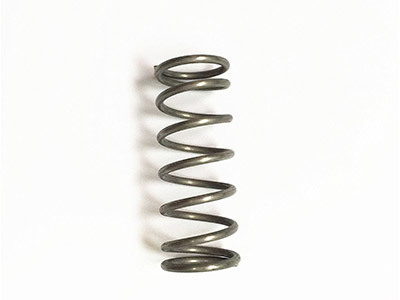
The MTD Drive Belt Tension Spring plays a pivotal role in ensuring the smooth operation of your machinery. Whether you are operating a lawn mower or a garden tractor, this essential component helps maintain the correct tension on the drive belt, promoting optimal performance. A well-maintained tension spring extends the life of your equipment and enhances its efficiency.
2. Understanding the Mechanics of Tension Springs
Tension springs are designed to absorb and hold energy, providing a pulling force to ensure that components stay in place. Within the MTD machinery, the drive belt tension spring maintains the necessary pressure on the drive belt, enabling seamless power transfer from the engine to the wheels. Understanding how these springs operate is crucial for effective maintenance.
2.1 How Tension Springs Work
When the engine engages, the tension spring stretches, applying pressure to the belt. This tension is vital for preventing slippage and ensuring that the belt remains securely attached to the pulleys. Over time, these springs can wear out due to constant stress and environmental conditions, making regular maintenance essential.
3. Importance of Maintaining Your Drive Belt Tension Spring
Proper maintenance of your MTD drive belt tension spring is vital for several reasons. First and foremost, it enhances the efficiency of your machinery, leading to better performance. Secondly, it prevents unnecessary wear on the drive belt and related components, ultimately saving you from costly repairs.
3.1 Economic Benefits of Regular Maintenance
By investing time in regular maintenance, you can prolong the lifespan of your equipment, reduce the frequency of repairs, and avoid the expense of replacement parts. A well-functioning tension spring ensures that your machinery operates at its best, keeping your projects on track and within budget.
4. Signs of Wear and Tear in Your Tension Spring
Recognizing when your tension spring requires maintenance or replacement is crucial for optimal performance. Here are common signs of wear and tear to watch for:
4.1 Reduced Tension
If you notice that the drive belt is loose, this could indicate that the tension spring is losing its ability to hold tension. Regular checks can help you identify this issue early.
4.2 Visible Damage
Inspect the tension spring for any visible signs of damage, such as cracks, bends, or breaks. If any of these are present, it’s time for a replacement.
4.3 Unusual Noises
Listen for any unusual sounds while your machinery is in operation. If you hear squeaks or rattles, this may signal that the tension spring is not functioning correctly.
5. Tools and Materials Needed for Maintenance
Before you begin maintenance on your MTD drive belt tension spring, gather the necessary tools and materials. Here’s a comprehensive list:
- Wrench set
- Screwdriver set
- Replacement tension spring
- Lubricant (preferably a silicone-based spray)
- Protective gloves
- Safety goggles
6. Step-by-Step Maintenance Guide
Maintaining your MTD Drive Belt Tension Spring involves a few straightforward steps. Follow this guide to ensure optimal performance:
6.1 Preparation
- **Turn off the engine** and ensure the machine is completely cool.
- **Disconnect the battery** to avoid any accidental starts.
6.2 Inspecting the Tension Spring
- Remove any covers or guards that obstruct access to the tension spring.
- Examine the spring for any visible signs of wear, such as rust or deformation.
6.3 Replacing the Tension Spring
- If the spring shows signs of damage, carefully unhook it from its mounting points.
- Replace it with a new tension spring, ensuring that it is securely fastened.
6.4 Lubrication
- Apply a silicone-based lubricant to the new spring and its mounting points. This will reduce friction and extend the life of the spring.
6.5 Reassembly
- Reattach any covers or guards you removed earlier.
- Reconnect the battery.
6.6 Testing
- Start the engine and test the machine to ensure everything runs smoothly. Listen for any unusual noises and check for proper belt tension.
7. Preventive Measures for Spring Longevity
Taking preventive measures can significantly increase the life of your MTD drive belt tension spring. Here are essential tips:
7.1 Regular Inspections
Schedule regular inspections to catch any issues before they escalate. A quick visual check can save you significant downtime later.
7.2 Keep the Area Clean
Maintaining a clean working environment prevents debris from interfering with the tension spring’s operation. Regularly clean the area around your machinery to avoid buildup.
7.3 Store Properly
When not in use, store your machinery in a dry, sheltered location to protect components from the elements. This can prevent rust and other damage to the tension spring.
8. Conclusion
Maintaining your MTD Drive Belt Tension Spring is essential for ensuring optimal performance and extending the life of your machinery. By understanding the mechanics of tension springs, recognizing signs of wear, and following a comprehensive maintenance guide, you can keep your equipment running smoothly. Investing time in regular maintenance not only enhances efficiency but also saves you money in the long run. With the right tools and techniques, you can ensure that your machinery remains a reliable asset for years to come.
9. FAQs
9.1 How often should I inspect my MTD drive belt tension spring?
It is recommended to inspect your tension spring every 25 hours of operation or before major uses, especially at the beginning of the season.
9.2 What should I do if my drive belt slips?
If your drive belt slips, first check the tension spring for wear or damage. If the spring is functioning correctly, the belt may need adjustment or replacement.
9.3 Can I replace the tension spring myself?
Yes, replacing the tension spring is a straightforward process that you can perform with basic tools. Just ensure you follow all safety precautions.
9.4 What type of lubricant is best for tension springs?
A silicone-based lubricant is ideal as it reduces friction and prevents rust without attracting dirt.
9.5 Are there any safety precautions I should take?
Always turn off the engine and disconnect the battery before performing any maintenance. Wear protective gloves and goggles to safeguard against injuries.
Related News
Contact Us
E-mail:
WhatsAPP:
Address:
Wen 'an Industrial New Area (small Farm), Langfang, Hebei, China