

Essential Steps for a Smooth MIG Welder Liner Replacement
Release Time:
2024-12-05
Essential Steps for a Smooth MIG Welder Liner Replacement MIG welding, or Metal Inert Gas welding, is a versatile and popular choice among welders due to its efficiency and ease of use. However, to maintain optimal performance, regular maintenance is essential. One of the critical maintenance tasks is replacing the MIG welder liner. This article walks you through the essential steps for a smooth M

Essential Steps for a Smooth MIG Welder Liner Replacement
MIG welding, or Metal Inert Gas welding, is a versatile and popular choice among welders due to its efficiency and ease of use. However, to maintain optimal performance, regular maintenance is essential. One of the critical maintenance tasks is replacing the MIG welder liner. This article walks you through the essential steps for a smooth MIG welder liner replacement, ensuring your equipment delivers the best results every time.
Why Is Replacing the MIG Welder Liner Important?
Replacing the MIG welder liner is crucial for several reasons. A worn or damaged liner can lead to poor wire feeding, increased spatter, and inconsistent welds. By regularly replacing the liner, you ensure:
- **Smooth operation:** A new liner allows for unobstructed wire flow, preventing stoppages and inconsistencies.
- **Improved weld quality:** Consistent wire feeding leads to better control, resulting in cleaner, stronger welds.
- **Extended equipment life:** Regular maintenance, including liner replacement, prolongs the lifespan of your MIG welder.
Signs That Indicate You Need to Replace Your MIG Welder Liner
Before diving into the replacement process, it's essential to recognize the signs that indicate it's time for a liner change. Watch out for:
1. Wire Feeding Issues
If you experience frequent wire jams or uneven feeding, it could mean your liner is worn out.
2. Increased Spatter
Excessive spatter may indicate that the wire is not feeding smoothly through the liner.
3. Poor Arc Control
Inconsistent arc performance often points to a damaged liner affecting the wire's movement.
4. Visible Damage
Inspect the liner for any visible signs of damage, such as kinks or breaks.
Essential Tools and Materials for Liner Replacement
To facilitate a smooth MIG welder liner replacement, gather the following tools and materials:
- Replacement Liner: Ensure it matches your welder's specifications.
- Wire Cutter: For cutting the old liner and wire.
- Hex Wrench or Allen Key: Needed to remove the nozzle.
- Needle-Nose Pliers: Helpful for maneuvering the wire and liner.
- Protective Gloves: To ensure safety during the replacement process.
Step-by-Step Guide to MIG Welder Liner Replacement
Now that you're equipped with the right tools and knowledge, let's delve into the step-by-step process for replacing your MIG welder liner.
Step 1: Disconnect the Welder
Safety is paramount. Always **disconnect the power supply** before starting any maintenance work on your MIG welder to prevent electric shock.
Step 2: Remove the Welding Gun
Unscrew the welding gun from the machine. This typically involves loosening a few screws or bolts, depending on your welder model.
Step 3: Take Out the Old Liner
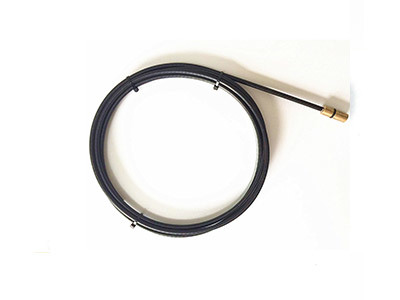
Once the welding gun is detached, locate the liner. It is usually held in place by a retention nut. Use a hex wrench or Allen key to loosen and remove this nut. Carefully pull the liner out of the gun.
Step 4: Prepare the New Liner
Before inserting the new liner, **compare it with the old one** to ensure you have the correct size and type. Most liners have an internal diameter that matches the wire size, so double-check this.
Step 5: Insert the New Liner
With the new liner ready, insert it into the welding gun. Ensure it fits snugly and is aligned correctly. Secure it in place using the retention nut, tightening it firmly but not over-tightening.
Step 6: Reattach the Welding Gun
Once the new liner is installed, reattach the welding gun to the MIG welder. Ensure all screws or bolts are securely fastened to prevent any movement during operation.
Step 7: Load the Wire
After reassembling the gun, load the welding wire through the new liner. Check for smooth movement and ensure it feeds without resistance.
Step 8: Test the Welder
Before diving into a significant project, conduct a test run. Set your welder to the recommended settings for the wire type and thickness. Perform a few test welds on scrap material to ensure everything is functioning smoothly.
Troubleshooting Common Issues After Replacement
Even after a successful replacement, you might encounter some issues. Here are common problems and their solutions:
1. Wire Jamming
If the wire continues to jam, check for bends or kinks in the liner. Additionally, ensure the wire spool is properly mounted and the tension is set correctly.
2. Inconsistent Welds
If weld quality remains an issue, examine the gas flow and ensure that your welding settings are appropriate for the material and wire used.
3. Excessive Spatter
If spatter levels are high, consider adjusting the wire feed speed or voltage settings. Sometimes, changing the contact tip can also help.
Maintenance Tips to Extend Liner Life
To maximize the lifespan of your MIG welder liner, implement these maintenance tips:
- Regular Inspections: Frequently check the liner for wear and tear.
- Proper Storage: Store your welder in a dry, clean environment to prevent dust and moisture accumulation.
- Use Quality Consumables: Invest in quality wires and liners to ensure optimal performance.
Frequently Asked Questions (FAQs)
1. How often should I replace my MIG welder liner?
The frequency of replacement depends on usage. Typically, it’s advisable to inspect the liner every few months, replacing it annually or sooner if you notice any issues.
2. Can I replace the liner myself?
Yes, replacing the liner is a straightforward process that can be done with basic tools. Follow the outlined steps for a seamless replacement.
3. What type of liner should I buy for my MIG welder?
Choose a liner that matches your welder model's specifications, particularly in terms of length and diameter.
4. Will a new liner improve my welding quality?
Absolutely! A new liner ensures smooth wire feeding and better control, significantly enhancing the quality of your welds.
5. What can I do if the wire keeps jamming even after replacement?
Check for any bends in the liner, ensure the wire spool is properly mounted, and adjust the tension accordingly.
Conclusion
Replacing the MIG welder liner is a crucial maintenance task that significantly impacts your welding performance. By following the essential steps outlined in this guide, you can ensure a smooth and effective liner replacement. Regular maintenance will not only enhance the quality of your welds but will also extend the life of your equipment. Always be attentive to the signs of wear and act promptly to keep your MIG welder in optimal condition. Embrace these practices and enjoy a seamless welding experience!
Related News
Contact Us
E-mail:
WhatsAPP:
Address:
Wen 'an Industrial New Area (small Farm), Langfang, Hebei, China