

Understanding Aluminium MIG Welding Liners: Essential Insights for Professionals
Release Time:
2024-11-30
Aluminium MIG welding liners are a critical component in the MIG (Metal Inert Gas) welding process, specifically designed for the unique properties of aluminium. These liners serve as guiding tubes for the welding wire, ensuring smooth and precise delivery from the spool to the welding gun. The effectiveness of aluminium MIG welding largely depends on the quality and type of liner used, making it

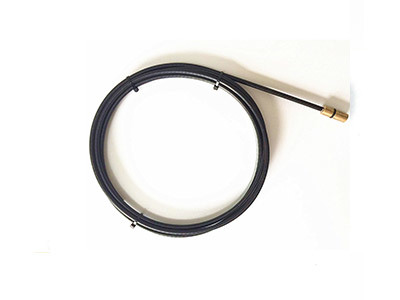
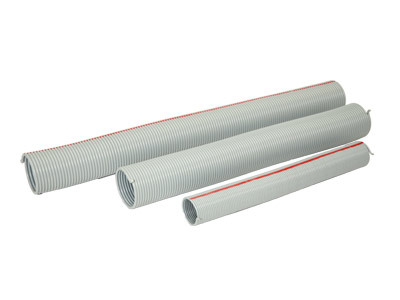
Aluminium MIG welding liners are a critical component in the MIG (Metal Inert Gas) welding process, specifically designed for the unique properties of aluminium. These liners serve as guiding tubes for the welding wire, ensuring smooth and precise delivery from the spool to the welding gun. The effectiveness of aluminium MIG welding largely depends on the quality and type of liner used, making it essential for professionals in the welding field to understand their significance.
One of the primary functions of an aluminium MIG welding liner is to minimize friction between the welding wire and the liner itself. This is particularly important when working with soft aluminium wires, which can be prone to deformation or kinking. A well-designed liner allows for smooth wire feed, reducing the risk of feeding issues that can lead to inconsistent welds and increased downtime for maintenance. Additionally, a smooth liner surface prevents contamination by minimizing wear and tear on the wire, which is crucial for maintaining the integrity of the weld.
When selecting an aluminium MIG welding liner, compatibility with the specific welding wire is paramount. Liners are typically available in various materials, such as Teflon or steel, each with its unique advantages. For instance, Teflon liners are often favored for their low friction properties, making them ideal for feeding soft aluminium wires. On the other hand, steel liners may offer greater durability but can increase friction, potentially leading to feeding issues. Therefore, it is essential to assess the specific requirements of the project and the characteristics of the welding wire being used.
Moreover, the diameter of the liner should match the wire size to ensure optimal performance. A properly sized liner will not only facilitate better feeding but also improve arc stability during the welding process. This stability is vital for achieving high-quality welds with minimal defects, such as porosity or uneven penetration.
In conclusion, understanding aluminium MIG welding liners is pivotal for professionals in the welding industry. By selecting the appropriate liner based on the welding wire type and project requirements, welders can enhance their process efficiency and ensure high-quality outcomes. As the demand for aluminium welding continues to grow across various sectors, staying informed about the best practices and components, such as welding liners, will empower professionals to excel in their craft.
One of the primary functions of an aluminium MIG welding liner is to minimize friction between the welding wire and the liner itself. This is particularly important when working with soft aluminium wires, which can be prone to deformation or kinking. A well-designed liner allows for smooth wire feed, reducing the risk of feeding issues that can lead to inconsistent welds and increased downtime for maintenance. Additionally, a smooth liner surface prevents contamination by minimizing wear and tear on the wire, which is crucial for maintaining the integrity of the weld.
When selecting an aluminium MIG welding liner, compatibility with the specific welding wire is paramount. Liners are typically available in various materials, such as Teflon or steel, each with its unique advantages. For instance, Teflon liners are often favored for their low friction properties, making them ideal for feeding soft aluminium wires. On the other hand, steel liners may offer greater durability but can increase friction, potentially leading to feeding issues. Therefore, it is essential to assess the specific requirements of the project and the characteristics of the welding wire being used.
Moreover, the diameter of the liner should match the wire size to ensure optimal performance. A properly sized liner will not only facilitate better feeding but also improve arc stability during the welding process. This stability is vital for achieving high-quality welds with minimal defects, such as porosity or uneven penetration.
In conclusion, understanding aluminium MIG welding liners is pivotal for professionals in the welding industry. By selecting the appropriate liner based on the welding wire type and project requirements, welders can enhance their process efficiency and ensure high-quality outcomes. As the demand for aluminium welding continues to grow across various sectors, staying informed about the best practices and components, such as welding liners, will empower professionals to excel in their craft.
Related News
Contact Us
E-mail:
WhatsAPP:
Address:
Wen 'an Industrial New Area (small Farm), Langfang, Hebei, China