

Understanding the Essential Function of the MTD Drive Belt Tension Spring in Mechanical Manufacturing
Release Time:
2024-12-01
Understanding the Essential Function of the MTD Drive Belt Tension Spring in Mechanical Manufacturing Table of Contents Introduction to MTD Drive Belt Tension Springs Function of the MTD Drive Belt Tension Spring Types of Tension Springs in Mechanical Manufacturing Installation Process for MTD Drive Belt Tension Springs Maintaining Your Drive Belt Tension Spring Applicatio

Understanding the Essential Function of the MTD Drive Belt Tension Spring in Mechanical Manufacturing
Table of Contents
- Introduction to MTD Drive Belt Tension Springs
- Function of the MTD Drive Belt Tension Spring
- Types of Tension Springs in Mechanical Manufacturing
- Installation Process for MTD Drive Belt Tension Springs
- Maintaining Your Drive Belt Tension Spring
- Applications of MTD Drive Belt Tension Springs
- Benefits of Using MTD Drive Belt Tension Springs
- Frequently Asked Questions
- Conclusion
Introduction to MTD Drive Belt Tension Springs
In the realm of mechanical manufacturing, the **MTD Drive Belt Tension Spring** plays a pivotal role in ensuring that machinery operates smoothly and efficiently. These springs are essential components that help maintain the tension in drive belts, which are critical for the transmission of power in various machines. Understanding their function, types, and applications will empower manufacturers and engineers to optimize their machinery and enhance productivity.
Function of the MTD Drive Belt Tension Spring
The primary function of the MTD Drive Belt Tension Spring is to exert a constant force on the drive belt, maintaining optimal tension during operation. This tension is crucial for several reasons:
1. Ensuring Consistent Power Transmission
A properly tensioned belt ensures that power is transmitted efficiently from the engine to various components of the machine. Insufficient tension can lead to slippage, resulting in power loss and decreased performance.
2. Reducing Wear and Tear
By maintaining the correct tension, tension springs help reduce friction between the belt and pulleys. This reduction in friction minimizes wear and tear on both the belt and the pulleys, extending their lifespan and reducing maintenance costs.
3. Enhancing Operational Efficiency
A well-maintained drive belt system, supported by an effective tension spring, improves the overall operational efficiency of machines. This efficiency translates to improved output, reduced energy consumption, and lower operational costs.
Types of Tension Springs in Mechanical Manufacturing
While the MTD Drive Belt Tension Spring is widely recognized, it's essential to understand that there are various types of tension springs used in mechanical manufacturing. These include:
1. Extension Springs
Extension springs are designed to stretch under load, providing resistance against outside forces. They are commonly used in applications where a pulling force is required.
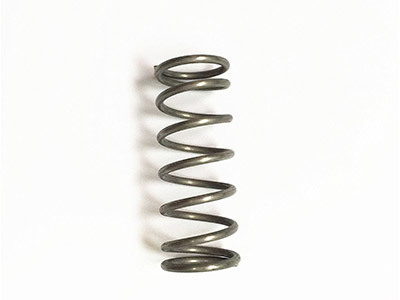
2. Compression Springs
Compression springs work in the opposite manner, compressing under load and returning to their original shape when the load is removed. They are used in applications that require a pushing force.
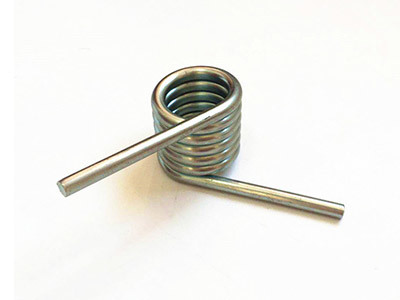
3. Torsion Springs
Torsion springs store energy when twisted, providing a rotational force. They are often used in applications such as doors and hinges.
Installation Process for MTD Drive Belt Tension Springs
Installing an MTD Drive Belt Tension Spring requires careful attention to detail. Here’s a step-by-step guide to ensure proper installation:
Step 1: Gather Necessary Tools
Before beginning the installation, gather the necessary tools, including pliers, wrenches, and safety goggles.
Step 2: Safety Precautions
Always prioritize safety. Ensure that the machine is powered off, and take precautions to avoid any accidents during the installation process.
Step 3: Remove the Old Spring
Carefully remove the old tension spring by detaching it from its mounting points. Take note of how it was installed for reference.
Step 4: Install the New Spring
Attach the new MTD Drive Belt Tension Spring to the designated points. Ensure that it is secured firmly and positioned correctly to maintain optimal tension.
Step 5: Test the Installation
Once installed, test the machinery to ensure that the spring functions correctly and the drive belt maintains the appropriate tension.
Maintaining Your Drive Belt Tension Spring
Proper maintenance of the MTD Drive Belt Tension Spring is vital for ensuring its longevity and optimal performance. Here are some maintenance tips:
1. Regular Inspections
Conduct regular inspections of the tension spring for signs of wear or damage. Look for cracks, corrosion, or deformation.
2. Lubrication
If applicable, lubricate the spring and its mounting points to reduce friction and prevent premature wear.
3. Monitor Performance
Keep an eye on the performance of the machinery. If you notice slippage or reduced efficiency, it may be time to replace the tension spring.
Applications of MTD Drive Belt Tension Springs
MTD Drive Belt Tension Springs find applications across various industries due to their versatility and effectiveness. Some notable applications include:
1. Automotive Manufacturing
In automotive manufacturing, tension springs are used in engines, transmissions, and accessory drive systems to ensure smooth and efficient operation.
2. Industrial Machinery
Various types of industrial machinery, such as conveyor systems and agricultural equipment, rely on tension springs to maintain optimal performance.
3. Home Appliances
MTD Drive Belt Tension Springs are also used in household appliances like washing machines and lawnmowers, where proper belt tension is crucial for functionality.
Benefits of Using MTD Drive Belt Tension Springs
Incorporating MTD Drive Belt Tension Springs into mechanical systems offers numerous benefits, including:
1. Enhanced Performance
By ensuring that belts remain tensioned correctly, these springs enhance the overall performance and reliability of machinery.
2. Cost-Effectiveness
Reduced wear and tear lead to lower maintenance costs and longer lifespans for both the springs and the belts.
3. Improved Safety
Properly tensioned belts minimize the risk of slippage and accidents, contributing to a safer working environment.
Frequently Asked Questions
1. What is the lifespan of an MTD Drive Belt Tension Spring?
The lifespan of a drive belt tension spring can vary based on usage and environmental factors, but regular maintenance can extend its longevity significantly.
2. How do I know if my tension spring needs replacing?
Signs of wear, such as cracks or deformation, along with decreased performance of the machinery, indicate that it may be time to replace the spring.
3. Can I install the tension spring myself?
Yes, with the right tools and safety precautions, installation can be done by an experienced individual. However, consulting a professional is advisable for complex machinery.
4. Are there different sizes of MTD Drive Belt Tension Springs?
Yes, MTD Drive Belt Tension Springs come in various sizes and specifications to suit different applications. It’s essential to select the correct size for optimal performance.
5. What materials are MTD Drive Belt Tension Springs made from?
Typically, these springs are made from high-carbon steel or stainless steel, providing durability and resistance to wear.
Conclusion
In summary, the **MTD Drive Belt Tension Spring** is an indispensable component in mechanical manufacturing, ensuring the smooth and efficient operation of various machinery. Understanding its function, installation, maintenance, and applications can significantly enhance manufacturing processes. By utilizing these springs effectively, manufacturers can improve performance, reduce costs, and ensure safety in their operations. Prioritizing the health of these vital components will contribute to a more efficient and productive manufacturing environment.
Related News
Contact Us
E-mail:
WhatsAPP:
Address:
Wen 'an Industrial New Area (small Farm), Langfang, Hebei, China