

Understanding the Role of Liners in Aluminium MIG Welding Efficiency
Release Time:
2024-11-29
Understanding the Role of Liners in Aluminium MIG Welding Efficiency Table of Contents 1. Introduction to Aluminium MIG Welding 2. Importance of Liners in MIG Welding 3. Types of Liners Used in Aluminium MIG Welding 4. Common Materials for Welding Liners 5. Maintenance and Care for Welding Liners 6. Impact of Liners on Welding Efficiency 7. Common Issues with Liners an

Understanding the Role of Liners in Aluminium MIG Welding Efficiency
Table of Contents
- 1. Introduction to Aluminium MIG Welding
- 2. Importance of Liners in MIG Welding
- 3. Types of Liners Used in Aluminium MIG Welding
- 4. Common Materials for Welding Liners
- 5. Maintenance and Care for Welding Liners
- 6. Impact of Liners on Welding Efficiency
- 7. Common Issues with Liners and Solutions
- 8. Future Trends in Welding Liners Technology
- 9. Conclusion
- 10. Frequently Asked Questions
1. Introduction to Aluminium MIG Welding
Aluminium MIG welding, a popular process among fabricators and manufacturers, allows for the rapid joining of aluminium components. With its ease of use and high productivity rates, MIG (Metal Inert Gas) welding has become the go-to solution for various applications. However, to achieve optimal results, it is essential to understand the intricacies of the welding setup, including the vital role that liners play in the overall efficiency of the process.
2. Importance of Liners in MIG Welding
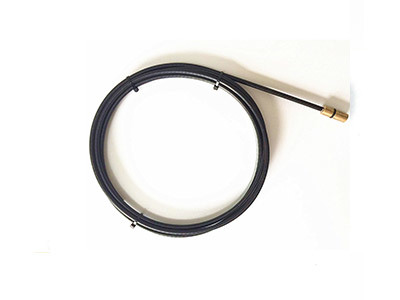
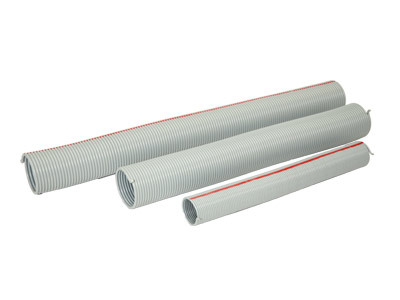
Liners serve as the conduit through which the welding wire is fed into the welding gun. Their primary role is to ensure a smooth and consistent feed of the wire, which is crucial for achieving high-quality welds. A well-functioning liner can significantly reduce the instances of wire jams or inconsistencies in the weld bead, ultimately enhancing the overall welding experience.
2.1 Enhancing Welding Quality
The quality of the welds produced during aluminium MIG welding heavily depends on the liner's performance. A clogged or damaged liner can lead to uneven wire feeding, resulting in poor arc stability and weld quality. Therefore, investing in high-quality liners is essential for maintaining precision and consistency.
2.2 Reducing Downtime
When liners function effectively, they contribute to reduced downtime during welding operations. By minimizing the risk of wire feed issues, operators can focus on their work without frequent interruptions for troubleshooting.
3. Types of Liners Used in Aluminium MIG Welding
There are several types of liners designed for specific welding applications. Understanding these types can help fabricators choose the right one for their needs.
3.1 Plastic Liners
Plastic liners are lightweight and often used for general welding applications. They provide decent wire feeding performance and are cost-effective, making them a popular choice among hobbyists and small workshops.
3.2 Steel Liners
Steel liners are known for their durability and longevity. They can withstand high temperatures and abrasive conditions, making them suitable for industrial applications where the welding environment is more demanding.
3.3 Teflon Liners
Teflon liners are highly resistant to wear and are particularly effective in reducing friction between the wire and the liner. They excel in delivering a smooth wire feed, making them ideal for welding aluminium, which can be more challenging due to its softness and tendency to deform.
4. Common Materials for Welding Liners
The choice of liner material directly affects the performance of the welding process. Here’s a closer look at the materials used in manufacturing liners.
4.1 Nylon Liners
Nylon is a popular choice for MIG welding liners due to its flexibility and resistance to abrasion. It can handle moderate temperatures and provides a smooth feed, making it suitable for various welding tasks.
4.2 PTFE Liners
PTFE (Polytetrafluoroethylene) liners are recognized for their low friction properties. They are ideal for feeding softer wires like aluminium since they minimize the risk of deformation and damage during the feeding process.
4.3 Polyurethane Liners
Polyurethane offers a balance of flexibility and durability. These liners can perform well under various conditions and provide excellent resistance to wear and tear, making them a viable option for both light and heavy welding tasks.
5. Maintenance and Care for Welding Liners
Proper maintenance of liners is essential to ensure their longevity and efficiency. Below are some best practices to consider.
5.1 Regular Inspection
It is vital to regularly inspect liners for any signs of wear or damage. Look for kinks, cracks, or significant wear that could affect the wire feeding process. Early detection allows for prompt replacement, preventing issues during welding.
5.2 Cleaning Protocols
Keeping the liners clean helps maintain optimal wire feeding capabilities. Dust, debris, and spatter can accumulate over time, leading to feed problems. Use appropriate cleaning methods to keep the liners clear of obstructions.
5.3 Replacement Timing
Knowing when to replace liners is crucial. Signs that indicate a liner has reached the end of its useful life include inconsistent wire feeding, frequent jams, and visible wear. Timely replacement can prevent costly delays and improve welding efficiency.
6. Impact of Liners on Welding Efficiency
The influence of liners on welding efficiency cannot be overstated. Their condition directly affects various aspects of the welding process.
6.1 Consistency in Wire Feed
A well-maintained liner ensures that the wire is fed consistently, which is critical for maintaining a stable arc during welding. Inconsistent wire feeding can lead to arc fluctuations, affecting both weld penetration and bead appearance.
6.2 Heat Distribution
Effective liners contribute to better heat distribution across the weld pool. By providing a steady supply of wire, they help maintain the required temperatures for effective fusion, which is particularly important in aluminium welding.
6.3 Overall Productivity
Higher welding quality and reduced downtime due to effective liners contribute to increased productivity. Reducing the frequency of troubleshooting and repairs allows welders to complete projects faster, ultimately yielding higher output.
7. Common Issues with Liners and Solutions
Like any component, liners can experience issues that may impede welding performance. Identifying these problems and knowing how to address them is essential for maintaining efficiency.
7.1 Clogging
**Problem:** Liners can become clogged with debris, resulting in an inconsistent wire feed.
**Solution:** Regular cleaning and inspection can help prevent clogs. Utilize a cleaning tool designed for liners to remove any accumulated debris.
7.2 Kinks and Bends
**Problem:** Kinks and bends in the liner can obstruct the wire feed.
**Solution:** Avoid sharp bends during setup and regularly check the liner’s path for any potential restrictions.
7.3 Wear and Tear
**Problem:** Over time, liners can wear out, leading to performance issues.
**Solution:** Establish a routine replacement schedule based on usage levels to ensure optimal performance.
8. Future Trends in Welding Liners Technology
As technology continues to advance, the future of welding liners is poised for innovation.
8.1 Advanced Materials
Research and development are likely to yield liners made from advanced materials that offer enhanced durability and performance. These materials may provide better resistance to wear and improved feeding capabilities.
8.2 Smart Liners
The introduction of smart technology in welding equipment may lead to the development of smart liners that can monitor their own condition and alert users when maintenance or replacement is needed.
8.3 Eco-Friendly Options
With sustainability becoming a priority in manufacturing, future liners may be designed using eco-friendly materials that reduce environmental impact while maintaining performance.
9. Conclusion
In conclusion, understanding the role of liners in aluminium MIG welding efficiency is vital for any fabricator looking to enhance their welding operations. From ensuring consistent wire feed to reducing downtime and improving overall welding quality, liners play a crucial role in effective MIG welding. By selecting the right type of liner, maintaining it properly, and being aware of potential issues, operators can significantly boost their welding efficiency. As we look to the future, advancements in liner technology promise to further enhance the performance and reliability of aluminium MIG welding.
10. Frequently Asked Questions
1. What is the primary function of liners in MIG welding?
The primary function of liners is to facilitate the smooth and consistent feed of the welding wire into the welding gun, which is essential for achieving high-quality welds.
2. How often should I inspect my welding liners?
It is advisable to inspect your welding liners regularly, ideally before each welding session, to check for signs of wear or damage.
3. What materials are commonly used for MIG welding liners?
Common materials for MIG welding liners include nylon, PTFE (Teflon), and polyurethane, each offering different advantages based on the application.
4. How can I tell if a liner needs replacing?
Signs that a liner may need replacing include inconsistent wire feeding, visible damage such as kinks or cracks, and frequent wire jams.
5. Can I use the same liner for different types of welding wire?
While some liners can accommodate various types of welding wire, it is often best to use liners specifically designed for the type of wire being used to ensure optimal performance.
Related News
Contact Us
E-mail:
WhatsAPP:
Address:
Wen 'an Industrial New Area (small Farm), Langfang, Hebei, China