

Understanding Axial Torsion Springs: Key Features and Applications
Release Time:
2024-11-26
Axial torsion springs are a specific type of torsion spring characterized by their ability to store and release energy in response to rotational force. Unlike standard torsion springs, which primarily twist around their central axis, axial torsion springs are designed to apply torque in a linear fashion along their length. This unique design allows them to perform effectively in applications where

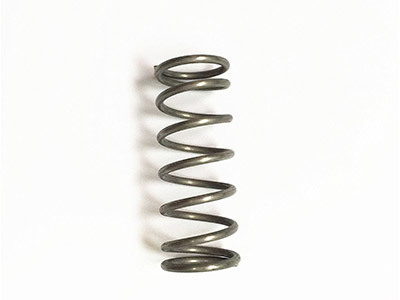
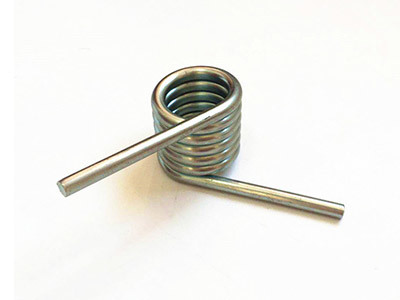
Axial torsion springs are a specific type of torsion spring characterized by their ability to store and release energy in response to rotational force. Unlike standard torsion springs, which primarily twist around their central axis, axial torsion springs are designed to apply torque in a linear fashion along their length. This unique design allows them to perform effectively in applications where space constraints or specific load requirements demand a more tailored approach.
One of the most significant advantages of axial torsion springs is their versatility. They can be utilized in a wide range of applications, from automotive components to consumer electronics and industrial machinery. The ability to provide a consistent rotational force makes them particularly valuable in mechanisms that require precise movement, such as latches, hinges, and various types of actuators.
When designing an axial torsion spring, several factors must be considered to ensure optimal performance. The material selection is vital, as it impacts both the spring's durability and its ability to retain energy. Common materials used in the production of axial torsion springs include stainless steel and high-carbon steel, chosen for their strength and fatigue resistance. Additionally, the spring's dimensions, including wire diameter, coil diameter, and the number of coils, play a crucial role in determining its torque capacity and overall functionality.
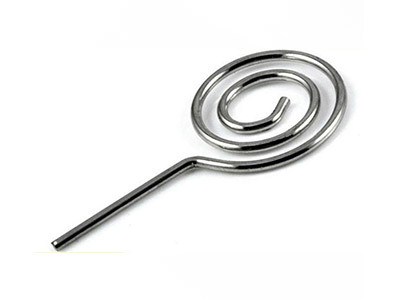
Another important consideration is the spring's end configuration. The ends can be formed in various ways—such as with hooks, loops, or straight ends—allowing for easy integration into a system. The choice of end type should align with the specific application requirements, ensuring that the spring can be installed and function efficiently.
In terms of performance, axial torsion springs excel in environments where a compact design is paramount. Their ability to exert force along a single axis minimizes the amount of space they occupy while maximizing their functional output. This characteristic is particularly beneficial in modern engineering, where space optimization is often a critical design goal.
In conclusion, axial torsion springs offer an innovative solution for various mechanical challenges. Their unique design, adaptability, and efficient energy storage capabilities make them an essential component in many applications. Understanding their features and potential uses can greatly benefit professionals in the manufacturing and mechanical engineering sectors, aiding in the selection and implementation of the right spring for specific projects. As industries continue to evolve, the role of axial torsion springs is likely to expand, further emphasizing their importance in modern mechanical design.
One of the most significant advantages of axial torsion springs is their versatility. They can be utilized in a wide range of applications, from automotive components to consumer electronics and industrial machinery. The ability to provide a consistent rotational force makes them particularly valuable in mechanisms that require precise movement, such as latches, hinges, and various types of actuators.
When designing an axial torsion spring, several factors must be considered to ensure optimal performance. The material selection is vital, as it impacts both the spring's durability and its ability to retain energy. Common materials used in the production of axial torsion springs include stainless steel and high-carbon steel, chosen for their strength and fatigue resistance. Additionally, the spring's dimensions, including wire diameter, coil diameter, and the number of coils, play a crucial role in determining its torque capacity and overall functionality.
Another important consideration is the spring's end configuration. The ends can be formed in various ways—such as with hooks, loops, or straight ends—allowing for easy integration into a system. The choice of end type should align with the specific application requirements, ensuring that the spring can be installed and function efficiently.
In terms of performance, axial torsion springs excel in environments where a compact design is paramount. Their ability to exert force along a single axis minimizes the amount of space they occupy while maximizing their functional output. This characteristic is particularly beneficial in modern engineering, where space optimization is often a critical design goal.
In conclusion, axial torsion springs offer an innovative solution for various mechanical challenges. Their unique design, adaptability, and efficient energy storage capabilities make them an essential component in many applications. Understanding their features and potential uses can greatly benefit professionals in the manufacturing and mechanical engineering sectors, aiding in the selection and implementation of the right spring for specific projects. As industries continue to evolve, the role of axial torsion springs is likely to expand, further emphasizing their importance in modern mechanical design.
Related News
Contact Us
E-mail:
WhatsAPP:
Address:
Wen 'an Industrial New Area (small Farm), Langfang, Hebei, China