

How Axial Torsion Springs Enhance Mechanical Efficiency: A Comprehensive Guide
Release Time:
2024-11-25
How Axial Torsion Springs Enhance Mechanical Efficiency Table of Contents 1. Introduction to Axial Torsion Springs 2. Mechanical Principles of Torsion Springs 3. Applications of Axial Torsion Springs in Industry 4. Advantages of Using Axial Torsion Springs 5. Key Design Considerations for Torsion Springs 6. Maintenance Tips for Optimal Performance 7. Future Trends in T

How Axial Torsion Springs Enhance Mechanical Efficiency
Table of Contents
- 1. Introduction to Axial Torsion Springs
- 2. Mechanical Principles of Torsion Springs
- 3. Applications of Axial Torsion Springs in Industry
- 4. Advantages of Using Axial Torsion Springs
- 5. Key Design Considerations for Torsion Springs
- 6. Maintenance Tips for Optimal Performance
- 7. Future Trends in Torsion Spring Technology
- 8. Frequently Asked Questions
- 9. Conclusion
1. Introduction to Axial Torsion Springs
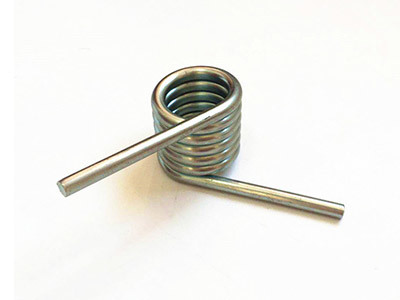
Axial torsion springs play a pivotal role in the functionality of various mechanical systems. These springs are designed to exert torque or rotational force, making them indispensable in a plethora of applications, from automotive components to industrial machines. Understanding how axial torsion springs work and their impact on mechanical efficiency can help engineers and manufacturers optimize their designs for superior performance.
2. Mechanical Principles of Torsion Springs
To fully grasp the significance of axial torsion springs, it is essential to understand their mechanical principles. **Torsion springs** work by storing energy when twisted, and they release this energy when they return to their original shape. The amount of torque a torsion spring can produce is directly related to its material, dimensions, and coil design.
The Basics of Torque and Energy Storage
Torque, measured in Newton-meters (Nm), is the rotational force produced by the spring. The energy stored in a torsion spring is calculated using the formula:
**E = (1/2) * k * θ²**
Where:
- **E** = stored energy
- **k** = spring constant (stiffness of the spring)
- **θ** = angle of twist in radians
This equation illustrates how the spring’s stiffness and the angle of twist contribute to its energy capacity, allowing for efficient mechanical movement.
Characteristics of Axial Torsion Springs
Axial torsion springs are characterized by their unique design, which includes:
- **Coil Configuration**: The number of coils and their spacing can affect performance.
- **Wire Diameter**: Thicker wire can handle more torque but may reduce flexibility.
- **Material Selection**: Common materials include stainless steel and music wire, which offer high tensile strength and fatigue resistance.
3. Applications of Axial Torsion Springs in Industry
Axial torsion springs are utilized across various industries due to their versatile functionality. Here are some prominent applications:
Automotive Engineering
In the automotive sector, axial torsion springs are often employed in **suspension systems**, **door latches**, and **brake mechanisms**. Their ability to absorb shocks and maintain structural integrity enhances overall vehicle performance.
Manufacturing and Assembly
Manufacturers leverage these springs in automated assembly lines for tasks such as **clamping** and **holding components** in place. Their reliability and efficiency streamline production processes.
Aerospace Applications
In the aerospace field, axial torsion springs are critical in flight control systems, including **flaps** and **slats**. Their precise torque output ensures that these systems operate safely and effectively.
Consumer Products
From **toys** to **home appliances**, axial torsion springs are found in everyday items. They provide the necessary force in mechanisms such as **hinges** and **actuators**, enhancing user experience.
4. Advantages of Using Axial Torsion Springs
The use of axial torsion springs offers numerous benefits:
Enhanced Mechanical Efficiency
By providing consistent torque output, axial torsion springs improve the efficiency of mechanical systems. This consistency reduces energy consumption and enhances overall performance.
Space Optimization
These springs are compact, allowing for efficient use of space in mechanical designs. Their small footprint makes them ideal for applications with limited available space.
Durability and Longevity
Made from high-strength materials, axial torsion springs exhibit excellent fatigue resistance, ensuring they withstand repeated use without failure. This durability translates to lower maintenance costs and extended product lifespan.
Customizability
Manufacturers can tailor axial torsion springs to meet specific application requirements, including size, shape, and material properties. This customizability allows for optimized performance across various industries.
Cost-Effectiveness
Despite their advanced capabilities, axial torsion springs are often more cost-effective compared to alternative solutions, making them a favored choice in many engineering applications.
5. Key Design Considerations for Torsion Springs
When designing axial torsion springs, several factors must be taken into account to ensure optimal performance:
Material Selection
Choosing the right material is crucial. Options such as stainless steel, carbon steel, and high-carbon wire offer varying degrees of strength and flexibility. The choice should align with the spring's intended application and environmental conditions.
Spring Dimensions
The dimensions of the spring, including wire diameter, coil diameter, and number of coils, directly affect its performance. Engineers must calculate these dimensions carefully to meet load requirements.
Testing and Prototyping
Before full-scale production, testing prototypes is essential to assess performance under real-world conditions. This stage allows for adjustments and refinements to ensure the spring meets design specifications.
Environmental Considerations
Consider the environmental factors that may impact the spring's performance, such as temperature and humidity. Selecting materials with appropriate resistance to corrosion and heat can prevent premature failure.
6. Maintenance Tips for Optimal Performance
To ensure the longevity and efficiency of axial torsion springs, regular maintenance is essential:
Regular Inspections
Conduct routine inspections to identify any signs of wear or fatigue. Early detection of issues can prevent system failures and costly downtime.
Lubrication
Applying appropriate lubricants can reduce friction and wear, enhancing the spring's performance. Ensure the lubricant is compatible with the spring material and the operational environment.
Environment Management
Keep the working environment free from contaminants that may affect the spring's performance. Dust, moisture, and extreme temperatures can lead to premature wear and failure.
7. Future Trends in Torsion Spring Technology
As technology advances, so too do the designs and applications of axial torsion springs. Key trends include:
Smart Spring Technologies
The integration of sensors and smart technologies within spring systems allows for real-time monitoring and adjustments, optimizing performance and efficiency.
Advanced Materials
Ongoing research into new materials, such as composites and alloys, promises to enhance the strength, weight, and durability of torsion springs, opening new avenues for application.
3D Printing Innovations
The ability to 3D print custom torsion springs represents a significant advancement in design flexibility and production efficiency, allowing for rapid prototyping and customization.
8. Frequently Asked Questions
What is an axial torsion spring?
An axial torsion spring is a type of spring that exerts torque or rotational force when twisted. It is commonly used in various mechanical applications to provide stability and support.
How does a torsion spring work?
A torsion spring works by storing energy when it is twisted. The energy is released as the spring returns to its original shape, providing torque and facilitating mechanical movement.
What are the advantages of using axial torsion springs in machinery?
Axial torsion springs provide enhanced mechanical efficiency, durability, compact design, customizability, and cost-effectiveness, making them ideal for many industrial applications.
How do I choose the right torsion spring for my application?
Consider factors such as material selection, dimensions, load requirements, and environmental conditions when choosing a torsion spring. It is essential to match the spring's specifications to the specific application needs.
What maintenance practices should I follow for torsion springs?
Regular inspections, appropriate lubrication, and environment management are crucial for maintaining optimal performance and extending the lifespan of torsion springs.
9. Conclusion
Axial torsion springs are integral components that significantly enhance mechanical efficiency across various applications. Their unique ability to provide consistent torque, along with their advantages in durability, customizability, and space optimization, makes them essential in modern engineering designs. As industries continue to evolve, the future of axial torsion springs promises innovations that will further improve their performance and applications. Understanding the complexities and benefits of these springs enables manufacturers and engineers to harness their capabilities effectively, paving the way for enhanced mechanical systems in the years to come.
Related News
Contact Us
E-mail:
WhatsAPP:
Address:
Wen 'an Industrial New Area (small Farm), Langfang, Hebei, China