

Understanding Axial Torsion Springs: Design, Function, and Applications
Release Time:
2024-11-24
Axial torsion springs are a specialized type of torsion spring designed to exert torque or rotational force around an axis. Unlike standard torsion springs that operate in a linear fashion, axial torsion springs allow for controlled twisting, making them invaluable in mechanical applications that require precise movement and force. The fundamental design of axial torsion springs typically involves

Axial torsion springs are a specialized type of torsion spring designed to exert torque or rotational force around an axis. Unlike standard torsion springs that operate in a linear fashion, axial torsion springs allow for controlled twisting, making them invaluable in mechanical applications that require precise movement and force.
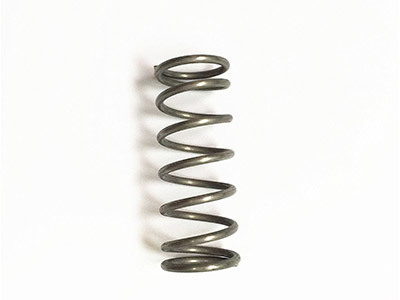
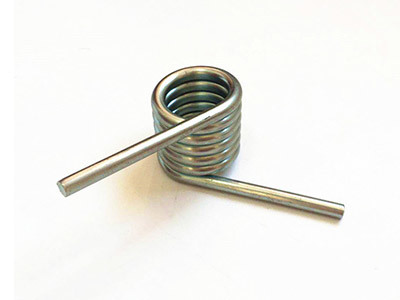
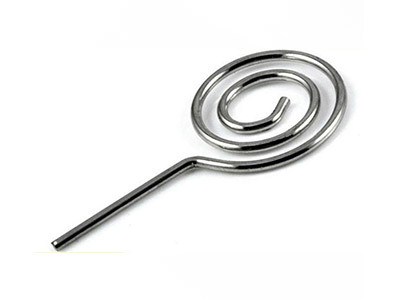
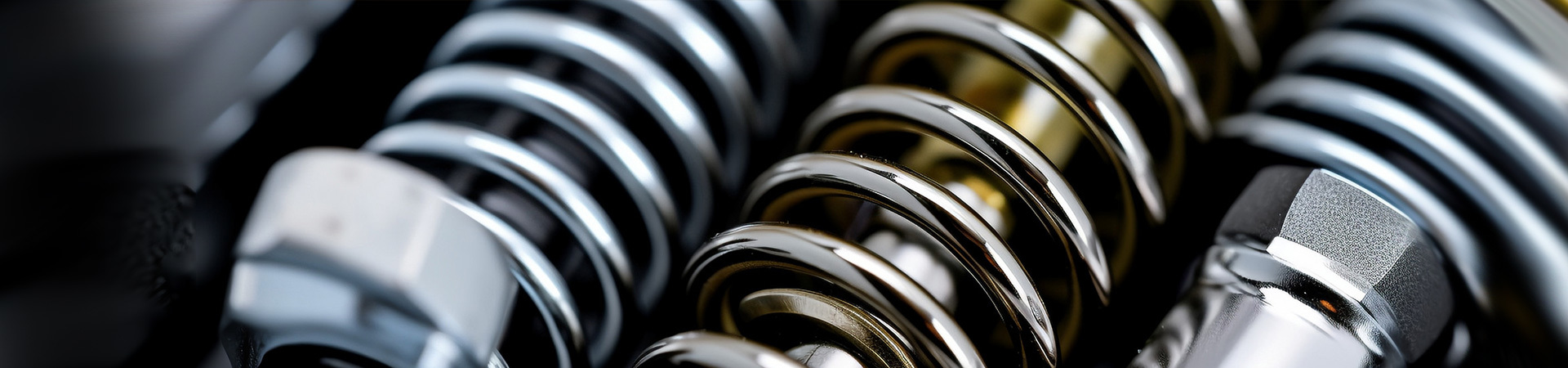
The fundamental design of axial torsion springs typically involves a coiled wire that is twisted along a central axis. When the ends of the spring are rotated, the spring stores mechanical energy, which can be released to perform work. This property makes axial torsion springs ideal for applications where controlled rotational motion is essential. They are often used in mechanisms such as latches, hinges, and even in various types of machinery.
One of the primary advantages of axial torsion springs is their ability to maintain a consistent torque over a wide range of motion. This adaptability is crucial in applications like automotive components, where springs must support varying loads and dynamic movements without failure. Additionally, the compact design of these springs allows them to fit into tight spaces, making them suitable for modern machinery that prioritizes space efficiency.
In manufacturing and engineering, the material selection for axial torsion springs is critical. Common materials include high-carbon steel and stainless steel, chosen for their strength and fatigue resistance. The manufacturing process often involves precise coiling and heat treatment to enhance the spring's durability and performance. Properly designed and manufactured axial torsion springs can endure numerous cycles of tension and compression, ensuring long service life and reliability.
Applications of axial torsion springs extend across various industries. In the automotive sector, they can be found in mechanisms like clutch assemblies and seat recliners, where they facilitate smooth, controlled movement. In consumer products, axial torsion springs are integral to devices such as retractable pens and door mechanisms. Furthermore, in industrial machinery, they play a pivotal role in enabling efficient operation and automation, providing the necessary force to engage or disengage components seamlessly.
In conclusion, axial torsion springs are a vital component in many mechanical systems, offering unique benefits that enhance functionality and reliability. Understanding their design and application can significantly contribute to the effectiveness of the machines they are integrated into. For engineers and manufacturers, leveraging axial torsion springs can lead to innovative solutions that improve performance and efficiency across a wide array of sectors.
The fundamental design of axial torsion springs typically involves a coiled wire that is twisted along a central axis. When the ends of the spring are rotated, the spring stores mechanical energy, which can be released to perform work. This property makes axial torsion springs ideal for applications where controlled rotational motion is essential. They are often used in mechanisms such as latches, hinges, and even in various types of machinery.
One of the primary advantages of axial torsion springs is their ability to maintain a consistent torque over a wide range of motion. This adaptability is crucial in applications like automotive components, where springs must support varying loads and dynamic movements without failure. Additionally, the compact design of these springs allows them to fit into tight spaces, making them suitable for modern machinery that prioritizes space efficiency.
In manufacturing and engineering, the material selection for axial torsion springs is critical. Common materials include high-carbon steel and stainless steel, chosen for their strength and fatigue resistance. The manufacturing process often involves precise coiling and heat treatment to enhance the spring's durability and performance. Properly designed and manufactured axial torsion springs can endure numerous cycles of tension and compression, ensuring long service life and reliability.
Applications of axial torsion springs extend across various industries. In the automotive sector, they can be found in mechanisms like clutch assemblies and seat recliners, where they facilitate smooth, controlled movement. In consumer products, axial torsion springs are integral to devices such as retractable pens and door mechanisms. Furthermore, in industrial machinery, they play a pivotal role in enabling efficient operation and automation, providing the necessary force to engage or disengage components seamlessly.
In conclusion, axial torsion springs are a vital component in many mechanical systems, offering unique benefits that enhance functionality and reliability. Understanding their design and application can significantly contribute to the effectiveness of the machines they are integrated into. For engineers and manufacturers, leveraging axial torsion springs can lead to innovative solutions that improve performance and efficiency across a wide array of sectors.
Related News
Contact Us
E-mail:
WhatsAPP:
Address:
Wen 'an Industrial New Area (small Farm), Langfang, Hebei, China