

Understanding the Role of Axial Torsion Springs in Machinery: A Comprehensive Guide
Release Time:
2024-11-23
Understanding the Role of Axial Torsion Springs in Machinery Table of Contents Introduction to Axial Torsion Springs What are Axial Torsion Springs? Applications of Axial Torsion Springs in Machinery Design Considerations for Axial Torsion Springs Key Benefits of Using Axial Torsion Springs Maintenance and Care for Axial Torsion Springs Common Issues with Axial Torsion Springs Fre

Understanding the Role of Axial Torsion Springs in Machinery
Table of Contents
- Introduction to Axial Torsion Springs
- What are Axial Torsion Springs?
- Applications of Axial Torsion Springs in Machinery
- Design Considerations for Axial Torsion Springs
- Key Benefits of Using Axial Torsion Springs
- Maintenance and Care for Axial Torsion Springs
- Common Issues with Axial Torsion Springs
- Frequently Asked Questions
- Conclusion
Introduction to Axial Torsion Springs
In the realm of manufacturing and mechanical design, **axial torsion springs** play a pivotal role in enhancing the performance and durability of various machines. These specialized components are engineered to absorb, store, and release energy, making them indispensable in numerous applications. Whether it’s in automotive systems, industrial machinery, or household appliances, understanding the function and significance of axial torsion springs is crucial for engineers and designers alike.
What are Axial Torsion Springs?
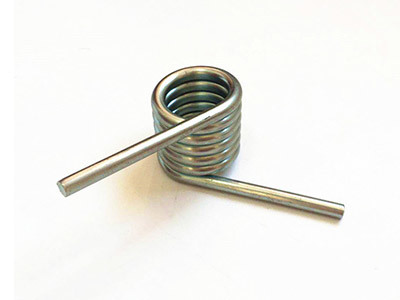
**Axial torsion springs** are a type of spring that generates torque when twisted. Unlike conventional springs that extend or compress, torsion springs operate by exerting force in a rotational manner. The design typically consists of a coil of wire formed into a helix, with the ends of the spring designed to connect to other machinery components. When the spring is twisted, it stores potential energy, which is released when it returns to its original position.
Types of Axial Torsion Springs
There are several variations of axial torsion springs, including:
1. **Clockwise Torsion Springs**: These springs are designed to twist in a clockwise direction.
2. **Counter-Clockwise Torsion Springs**: Designed to twist counter-clockwise, these springs are essential for specific applications.
3. **Double-Torsion Springs**: Featuring two coils, these springs offer enhanced torque and are often used in more demanding applications.
Applications of Axial Torsion Springs in Machinery
The versatility of axial torsion springs allows them to be utilized in a myriad of applications. Some notable examples include:
Automotive Industry
In the automotive sector, axial torsion springs are commonly used in various systems, including:
- **Hood Latches**: These springs ensure that the hood remains securely closed while allowing for easy opening.
- **Clutch Mechanisms**: They provide the necessary torque to engage and disengage the clutch effectively.
Industrial Machinery
In industrial settings, axial torsion springs play key roles in:
- **Robotic Systems**: They offer precise control and movement, essential for robotic arms and automation processes.
- **Conveyor Belts**: These springs provide the necessary tension for the smooth operation of conveyor systems.
Household Appliances
Many household appliances rely on axial torsion springs, such as:
- **Washing Machines**: Springs maintain tension in door locks and drum systems.
- **Garage Doors**: They assist in balancing the weight of garage doors for effortless opening and closing.
Design Considerations for Axial Torsion Springs
When designing axial torsion springs, several factors must be taken into account to ensure optimal performance:
Material Selection
The choice of material is critical. Common materials include stainless steel, carbon steel, and music wire, each offering different strength and flexibility levels.
Spring Diameter and Length
The diameter and length of the spring must be tailored to fit the specific application. A larger diameter typically allows for more energy storage, while length can affect the overall torque.
Coil Configuration
The number of coils and their tightness can also influence the spring's performance. A tightly wound coil generally provides more torque but may be more difficult to manufacture.
Key Benefits of Using Axial Torsion Springs
The advantages of employing axial torsion springs in machinery are manifold:
Enhanced Durability
These springs are designed to withstand repeated stress without losing their original shape, ensuring a longer lifespan compared to other spring types.
Space Efficiency
Axial torsion springs can be designed to occupy minimal space while providing significant torque, making them ideal for compact machinery applications.
Energy Storage
Their ability to efficiently store and release energy allows for smoother operation in mechanical systems, contributing to overall energy efficiency.
Maintenance and Care for Axial Torsion Springs
To ensure the longevity and performance of axial torsion springs, proper maintenance is essential:
Regular Inspections
Conduct frequent visual inspections for signs of wear, corrosion, or distortion. Early identification of issues can prevent catastrophic failure.
Lubrication
Applying appropriate lubricants can reduce friction and wear, prolonging the life of the springs and improving performance.
Safe Handling Practices
When installing or removing axial torsion springs, ensure to follow safety protocols to prevent accidents and injuries.
Common Issues with Axial Torsion Springs
Despite their robust design, axial torsion springs can encounter several common issues:
Fatigue Failure
Over time, repeated twisting can lead to material fatigue, causing the spring to break. It is essential to select the right material and design for the intended application to mitigate this risk.
Corrosion
Exposure to harsh environments can lead to corrosion, compromising the spring's integrity. Utilizing corrosion-resistant materials or protective coatings can help address this concern.
Frequently Asked Questions
What is the difference between a torsion spring and a compression spring?
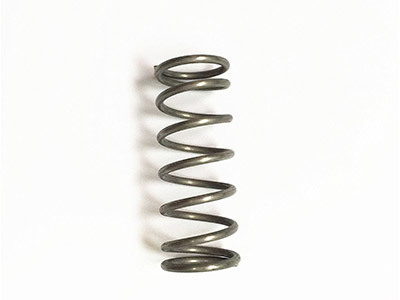
Torsion springs exert force in a rotational manner, while compression springs work by compressing when a load is applied. Each type serves distinct functions in machinery.
How do I determine the right size axial torsion spring for my application?
Sizing involves considering the load requirements, space constraints, and desired torque. Consulting with a spring design expert can provide valuable insights.
Can axial torsion springs be reused?
In some cases, axial torsion springs can be reused if they have not experienced fatigue or permanent deformation. However, thorough inspection is crucial.
What maintenance practices should I follow for axial torsion springs?
Regular inspections, lubrication, and adherence to safe handling practices are essential maintenance measures to ensure the longevity of axial torsion springs.
Are there any advancements in axial torsion spring technology?
Yes, advancements in materials science and manufacturing techniques continue to enhance the performance and capabilities of axial torsion springs, making them more efficient and durable.
Conclusion
Understanding the role of axial torsion springs in machinery is vital for engineers and designers striving for innovation and efficiency. Their unique design and functionality make them essential components across various industries, from automotive to household appliances. By recognizing the applications, benefits, and maintenance needs of these springs, we can optimize their use and promote more efficient machinery designs. As technology progresses, the future of axial torsion springs holds exciting potential for further advancements, ensuring that they remain integral to modern manufacturing and machine design.
Related News
Contact Us
E-mail:
WhatsAPP:
Address:
Wen 'an Industrial New Area (small Farm), Langfang, Hebei, China