

Aluminium MIG Welding Liners: A Comprehensive Buyer’s Guide for Quality and Performance
Release Time:
2024-11-27
Aluminium MIG Welding Liners: A Comprehensive Buyer’s Guide Table of Contents Introduction to Aluminium MIG Welding Liners Understanding MIG Welding The Importance of Liners in MIG Welding Types of Aluminium MIG Welding Liners Teflon Coated Liners Steel Liners Nylon Liners How to Choose the Right Aluminium MIG Welding Liner

Aluminium MIG Welding Liners: A Comprehensive Buyer’s Guide
Table of Contents
- Introduction to Aluminium MIG Welding Liners
- Understanding MIG Welding
- The Importance of Liners in MIG Welding
- Types of Aluminium MIG Welding Liners
- How to Choose the Right Aluminium MIG Welding Liner
- Installing Aluminium MIG Welding Liners
- Maintenance Tips for Longevity
- Troubleshooting Common Issues with Liners
- Frequently Asked Questions
- Conclusion
Introduction to Aluminium MIG Welding Liners
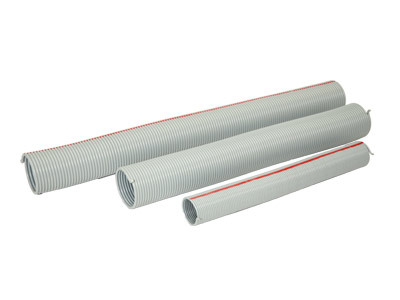
MIG welding, or Metal Inert Gas welding, is a popular welding process known for its speed and versatility. One crucial component that often gets overlooked in this process is the welding liner. Aluminium MIG welding liners play an essential role in ensuring the smooth wire feed necessary for consistent welding results. This comprehensive buyer’s guide aims to provide you with all the information you need to make an informed decision when selecting aluminium MIG welding liners.
Understanding MIG Welding
MIG welding is a continuous process where a consumable electrode wire is fed through a welding torch, creating an arc between the wire and the workpiece. This arc melts the wire, which fuses with the base material. The process usually requires a shielding gas to protect the weld pool from atmospheric contamination, ensuring strong and clean welds.
The Importance of Liners in MIG Welding
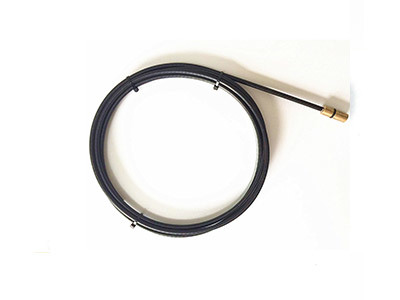
Welding liners are integral to the MIG welding process. They guide the filler wire from the spool to the welding torch, ensuring that the wire feeds smoothly and accurately. A malfunctioning liner can lead to several issues, including wire jams, inconsistent feed rates, and poor weld quality. Therefore, choosing the right aluminium MIG welding liner is critical for achieving optimal welding results.
Types of Aluminium MIG Welding Liners
Not all MIG welding liners are created equal. Understanding the different types available can help you choose the right one for your specific needs.
Teflon Coated Liners
Teflon coated liners are known for their low friction properties, which allows for a smooth wire feed. This type is particularly beneficial when using softer filler wires, such as aluminium. They resist wear and tear and are easier to clean, making them an excellent choice for high-volume welding applications.
Steel Liners
Steel liners are robust and durable, making them suitable for heavy-duty applications. They provide excellent support for the wire and reduce the chances of kinking. However, they may not feed softer wires as smoothly as Teflon coated liners, so consider your specific welding requirements before opting for this type.
Nylon Liners
Nylon liners are lightweight and flexible, which makes them easy to install. They resist abrasion and can handle the high temperatures associated with welding. However, they may not be as durable as Teflon or steel options, so weigh the pros and cons based on your usage.
How to Choose the Right Aluminium MIG Welding Liner
Selecting the right MIG welding liner can significantly impact your welding performance. Here are some factors to consider.
Considering Liner Length
The length of the welding liner is crucial for effective operation. Most liners range from 10 to 25 feet. A longer liner may offer more flexibility but can also introduce friction, affecting the wire feed. Balance your workspace's dimensions and the welder's design to determine the optimal length.
Understanding Liner Diameter
Liners come in various diameters to accommodate different wire sizes. Common diameters include .030, .035, and .045 inches. Ensure that the liner's diameter matches your welding wire to prevent feeding issues.
Material Considerations
The material of the liner affects its performance and durability. While Teflon offers excellent wire feed, steel provides durability. Consider your welding frequency, the types of materials you are working with, and your budget when making a choice.
Installing Aluminium MIG Welding Liners
Proper installation of your MIG welding liner is vital for optimal performance. Here’s a step-by-step guide to get you started.
1. **Disconnect the Welder:** Always ensure that the welding machine is turned off and unplugged before starting the installation process.
2. **Remove the Old Liner:** Carefully remove the existing liner from the torch and ensure that no pieces are left behind.
3. **Insert the New Liner:** Feed the new liner through the feeder mechanism, ensuring it is aligned correctly. It should slide in effortlessly without any bends or kinks.
4. **Cut to Length:** Trim the liner to fit snugly at both ends—where it meets the spool and the torch. Ensure there is no excess length that can cause kinking.
5. **Reconnect the Components:** Reattach the torch and wire feeder, ensuring everything is secure before testing.
6. **Test the Wire Feed:** Run a test to ensure the wire feeds smoothly through the new liner. If you experience any issues, double-check the installation.
Maintenance Tips for Longevity
Maintaining your aluminium MIG welding liners is crucial for ensuring their longevity and performance.
1. **Regular Cleaning:** Use a wire brush or a cloth to clean the liner regularly. Remove any debris or spatter that may accumulate.
2. **Inspect for Wear:** Routinely check the liner for signs of wear or damage. Replace it immediately if you notice kinks, abrasions, or other issues.
3. **Use Proper Wire:** Ensure you are using the appropriate wire for your liner type. Mismatched wire can lead to increased friction and premature wear.
4. **Store Properly:** Store your welding equipment, including liners, in a dry and clean environment to prevent corrosion or damage.
5. **Follow Manufacturer Guidelines:** Always refer to the manufacturer’s specifications for recommended maintenance practices and replacement schedules.
Troubleshooting Common Issues with Liners
Despite proper installation and maintenance, you may encounter issues with your aluminium MIG welding liners. Here are some common problems and their solutions.
- **Wire Jams:** If you experience frequent wire jams, check for kinks in the liner or ensure that the wire diameter matches the liner size.
- **Inconsistent Feed Rates:** This may be due to a dirty liner or wear. Clean or replace the liner as needed.
- **Poor Weld Quality:** If your welds are lacking in strength or quality, inspect the liner for damage. Ensure you are using the correct wire and gas settings.
- **Excessive Spatter:** High spatter levels can indicate improper wire feed speeds or incorrect voltage settings. Reassess your machine settings for optimal results.
Frequently Asked Questions
1. What is the best material for aluminium MIG welding liners?
Teflon coated liners are often considered the best for aluminium MIG welding due to their low friction properties, which promote smooth wire feed.
2. How often should I replace my MIG welding liner?
The frequency of replacement depends on usage. A well-maintained liner can last several months, but inspect it regularly for signs of wear.
3. Can I use a steel liner for aluminium welding?
While it is possible, steel liners may not provide the same smooth feed as Teflon coated liners, potentially leading to feeding issues.
4. What size liner do I need for .035" wire?
For .035" wire, a liner with a matching diameter should be used to ensure optimal performance.
5. How can I tell if my liner is damaged?
Signs of damage can include visible kinks, abrasions, or a noticeable decrease in wire feed performance.
Conclusion
Choosing the right aluminium MIG welding liner is essential for successful welding operations. Understanding the different types, how to select the appropriate liner, and maintaining it can make a significant difference in performance and longevity. By following the tips and guidelines presented in this comprehensive guide, you can ensure that your welding experience is both efficient and effective, ultimately leading to high-quality welds every time. Remember, investing in a quality aluminium MIG welding liner is an investment in your welding capabilities, enhancing your overall productivity and output.
Related News
Contact Us
E-mail:
WhatsAPP:
Address:
Wen 'an Industrial New Area (small Farm), Langfang, Hebei, China