

The Essential Guide to MIG Welder Liners for Aluminum Welding
Release Time:
2024-11-18
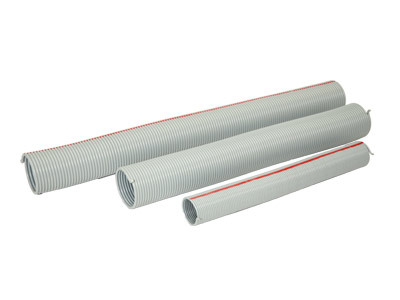
When working with aluminum, the choice of equipment can significantly affect the quality of the weld and the efficiency of the process. One crucial component in the MIG welding system is the welder liner, which guides the welding wire from the spool to the welding gun. Understanding the importance of the MIG welder liner for aluminum can help you make informed decisions about your welding setup. M

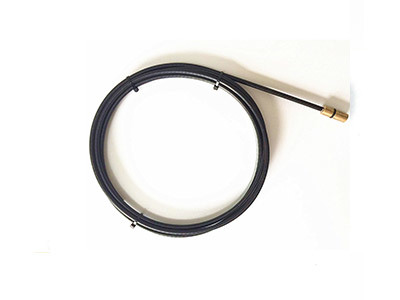
When working with aluminum, the choice of equipment can significantly affect the quality of the weld and the efficiency of the process. One crucial component in the MIG welding system is the welder liner, which guides the welding wire from the spool to the welding gun. Understanding the importance of the MIG welder liner for aluminum can help you make informed decisions about your welding setup.
MIG welding, or Metal Inert Gas welding, is a popular method for joining metals, particularly aluminum. Aluminum is lightweight and has excellent corrosion resistance, making it a preferred material in various industries. However, welding aluminum presents unique challenges due to its physical properties, such as thermal conductivity and sensitivity to contamination. This is where the MIG welder liner comes into play.
The MIG welder liner serves several essential functions. Firstly, it helps maintain a consistent feed of welding wire, which is critical for achieving a stable arc. Aluminum welding wire is typically softer and more prone to deformation than other types of wire. Therefore, using a liner specifically designed for aluminum ensures smooth wire feeding, reducing the risk of bird nesting and wire jams that can disrupt the welding process.
There are several types of liners available, including Teflon-lined, steel, and nylon options. Teflon liners are particularly popular for aluminum welding because they provide a low-friction surface, which helps the softer aluminum wire feed smoothly through the welding gun. Additionally, Teflon liners are more resistant to wear and can handle higher temperatures, making them ideal for aluminum applications.
Another consideration is the liner diameter. The diameter must match the size of the wire being used. For instance, if you are using a 0.030-inch aluminum wire, the liner should be compatible with that size to ensure proper feeding and minimize potential issues. Choosing the correct liner not only improves the welding experience but also enhances the quality of the weld.
Moreover, regular maintenance of the MIG welder liner is crucial. Contamination from oils, dirt, and other substances can negatively affect wire feeding and lead to poor weld quality. Thus, it's essential to clean the liners periodically and replace them when they show signs of wear or damage.
In conclusion, the MIG welder liner is a vital component in aluminum welding applications. By selecting the appropriate liner for your specific needs and maintaining it properly, you can significantly enhance the effectiveness and efficiency of your welding operations. Understanding the role of the liner will allow you to optimize your welding strategy and achieve superior results in your projects.
MIG welding, or Metal Inert Gas welding, is a popular method for joining metals, particularly aluminum. Aluminum is lightweight and has excellent corrosion resistance, making it a preferred material in various industries. However, welding aluminum presents unique challenges due to its physical properties, such as thermal conductivity and sensitivity to contamination. This is where the MIG welder liner comes into play.
The MIG welder liner serves several essential functions. Firstly, it helps maintain a consistent feed of welding wire, which is critical for achieving a stable arc. Aluminum welding wire is typically softer and more prone to deformation than other types of wire. Therefore, using a liner specifically designed for aluminum ensures smooth wire feeding, reducing the risk of bird nesting and wire jams that can disrupt the welding process.
There are several types of liners available, including Teflon-lined, steel, and nylon options. Teflon liners are particularly popular for aluminum welding because they provide a low-friction surface, which helps the softer aluminum wire feed smoothly through the welding gun. Additionally, Teflon liners are more resistant to wear and can handle higher temperatures, making them ideal for aluminum applications.
Another consideration is the liner diameter. The diameter must match the size of the wire being used. For instance, if you are using a 0.030-inch aluminum wire, the liner should be compatible with that size to ensure proper feeding and minimize potential issues. Choosing the correct liner not only improves the welding experience but also enhances the quality of the weld.
Moreover, regular maintenance of the MIG welder liner is crucial. Contamination from oils, dirt, and other substances can negatively affect wire feeding and lead to poor weld quality. Thus, it's essential to clean the liners periodically and replace them when they show signs of wear or damage.
In conclusion, the MIG welder liner is a vital component in aluminum welding applications. By selecting the appropriate liner for your specific needs and maintaining it properly, you can significantly enhance the effectiveness and efficiency of your welding operations. Understanding the role of the liner will allow you to optimize your welding strategy and achieve superior results in your projects.
Related News
Contact Us
E-mail:
WhatsAPP:
Address:
Wen 'an Industrial New Area (small Farm), Langfang, Hebei, China