

Why Choosing the Right MIG Welder Liner for Aluminum Matters: A Comprehensive Guide for Optimal Results
Release Time:
2024-11-17
Why Choosing the Right MIG Welder Liner for Aluminum Matters Table of Contents The Importance of a Quality MIG Welder Liner Types of MIG Welder Liners Available Understanding Different Materials Used in Liners Why Aluminum Requires Special Attention in Welding How the Right Liner Affects Welder Performance Common Issues Caused by Incorrect Liners How to Choose the Right MIG Welder Liner for Alumi

Why Choosing the Right MIG Welder Liner for Aluminum Matters
Table of Contents
- The Importance of a Quality MIG Welder Liner
- Types of MIG Welder Liners Available
- Understanding Different Materials Used in Liners
- Why Aluminum Requires Special Attention in Welding
- How the Right Liner Affects Welder Performance
- Common Issues Caused by Incorrect Liners
- How to Choose the Right MIG Welder Liner for Aluminum
- Maintaining Your MIG Welder Liner for Longevity
- FAQs About MIG Welder Liners for Aluminum
The Importance of a Quality MIG Welder Liner
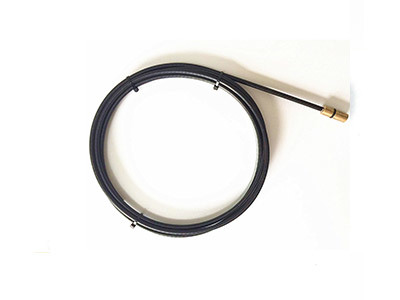
When it comes to welding aluminum, the quality of the MIG welder liner plays a pivotal role in determining the success of your project. A MIG welder liner is responsible for guiding the welding wire from the spool to the welding gun. If the liner is subpar or unsuitable for aluminum, it can lead to a host of problems, including poor wire feeding, increased friction, and ultimately, compromised weld quality.
Enhanced Feedability
A quality liner ensures that the welding wire feeds smoothly and consistently, reducing the chances of wire jams and interruptions. This is particularly important when working with aluminum, as the metal is softer and more prone to bending or warping compared to other materials.
Improved Weld Quality
The right liner contributes significantly to the overall weld quality. A smooth, consistent feed leads to stable arcs, better penetration, and a cleaner finish. In aluminum welding, where aesthetics and strength are crucial, the choice of liner can make a noticeable difference.
Types of MIG Welder Liners Available
MIG welder liners come in various types, each suited for specific applications. Understanding these types will help you make an informed choice for your aluminum welding projects.
Plastic Liners
Plastic liners are lightweight and affordable, making them a popular choice for hobbyists and occasional users. However, they may not provide the durability or performance required for heavy-duty aluminum welding.
Steel Liners
Steel liners offer greater durability and strength. They are capable of withstanding higher levels of wear and tear, making them suitable for industrial applications. However, they can be heavier and may introduce more friction during wire feeding.
PTFE (Teflon) Liners
PTFE liners are renowned for their low-friction properties, making them ideal for aluminum welding. They provide smooth wire feeding, reducing the likelihood of jams and ensuring a consistent weld. Although they may come with a higher price tag, the benefits often outweigh the costs.
Understanding Different Materials Used in Liners
The material of the liner significantly impacts its performance. Here’s a closer look at the materials commonly used in MIG welder liners:
Polyethylene
Polyethylene liners are often used in low-stress applications. While they are lightweight and cost-effective, they may not be suitable for high-heat or heavy-duty welding tasks.
Polyurethane
Polyurethane liners are more robust than polyethylene and are resistant to abrasion and chemicals. They are suitable for a range of welding applications, including aluminum.
PTFE
As mentioned earlier, PTFE is an excellent choice for aluminum welding due to its low-friction nature. It reduces wear on both the liner and the welding wire, leading to smoother operation.
Why Aluminum Requires Special Attention in Welding
Aluminum presents unique challenges in welding due to its properties. Understanding these challenges will highlight the importance of selecting the right MIG welder liner.
Softness and Ductility
Aluminum is softer and more ductile than steel, making it susceptible to deformation under pressure. This characteristic necessitates a gentle and consistent wire feed to avoid feeding issues.
Oxidation
Aluminum forms a protective oxide layer when exposed to air. This layer must be removed for successful welding. A high-quality MIG welder liner ensures that the wire reaches the workpiece without contamination.
How the Right Liner Affects Welder Performance
The performance of your MIG welder is directly tied to the quality of the liner. Here are some ways the right choice can enhance your welding experience.
Consistent Wire Feed
A well-matched liner ensures a steady and uninterrupted wire feed, which is crucial for maintaining a stable arc. This consistency translates to fewer interruptions and higher-quality welds.
Reduced Friction
The right liner minimizes friction, thus decreasing the strain on the welder's feeding mechanism and extending its lifespan. Lower friction also means that the welder can operate at higher speeds without compromising quality.
Better Control
With improved feedability and reduced friction, welders have better control over their arcs. This control is essential when working with aluminum, as it allows for precise adjustments and more refined welds.
Common Issues Caused by Incorrect Liners
Choosing the wrong MIG welder liner can lead to several issues that can affect your welding outcomes. Below are some common problems associated with improper liner selection.
Wire Jamming
One of the most frustrating issues welders face is wire jamming. An incorrect liner can cause the welding wire to bind up or kink, leading to interruptions that can compromise your project.
Poor Arc Stability
Inconsistent wire feeding can result in unstable arcs, leading to spatter and uneven penetration in your welds. This instability can ruin the aesthetic and structural integrity of your work.
Increased Wear and Tear
Using a liner that does not suit the specific type of wire or application may result in excessive wear. This not only shortens the lifespan of your equipment but can also lead to costly repairs.
How to Choose the Right MIG Welder Liner for Aluminum
Selecting the appropriate MIG welder liner for aluminum requires careful consideration of several factors.
Determine the Wire Size
The first step is to determine the size of the welding wire you will be using. Ensure that the liner you choose is compatible with the wire diameter for optimal performance.
Consider the Material
Choose a liner material that aligns with your welding needs. For aluminum, PTFE liners are often the best choice due to their low-friction properties.
Evaluate the Application
Consider the nature of your welding projects. If you are frequently working with aluminum, investing in a high-quality liner will pay off in improved performance and reduced frustration.
Check Compatibility
Ensure that the liner is compatible with your specific MIG welder model. Manufacturers usually provide recommendations for suitable liners, making it easier to choose the right one.
Maintaining Your MIG Welder Liner for Longevity
Proper maintenance of your MIG welder liner can greatly extend its lifespan and performance.
Regular Cleaning
Cleaning your liner regularly helps prevent the buildup of debris and contaminants that can cause feeding issues. Use a soft brush or compressed air to remove any obstructions.
Inspect for Wear and Tear
Routine inspections for any signs of wear or damage can help you catch potential problems early. Replace the liner as soon as you notice any significant wear to maintain optimal performance.
Keep the Workspace Clean
A clean workspace minimizes the chances of debris entering the liner. Ensuring that your working area is tidy can have a significant impact on your welding quality.
FAQs About MIG Welder Liners for Aluminum
What is the best liner for MIG welding aluminum?
The best liner for MIG welding aluminum is typically a PTFE (Teflon) liner due to its low-friction properties that allow for smooth wire feeding.
How often should I replace my MIG welder liner?
The frequency of replacement depends on usage, but it is advisable to inspect the liner regularly and replace it at the first sign of wear or damage.
Can I use the same liner for different wire sizes?
No, using a liner that matches the wire size is crucial for optimal performance. Using the wrong size can lead to feeding issues and poor weld quality.
How do I know if my liner is worn out?
Signs of a worn liner include increased wire jams, inconsistent feeding, and visible wear or damage. If you notice these issues, it's time for a replacement.
Does the liner material affect the welding process?
Yes, the liner material significantly impacts the welding process. For aluminum, low-friction materials like PTFE are preferred to prevent feeding issues and ensure better weld quality.
Conclusion
Choosing the right MIG welder liner when working with aluminum is not merely a matter of preference; it is essential for achieving high-quality welds, improving performance, and reducing frustration. By understanding the various types of liners available, their materials, and the specific requirements of aluminum welding, you can make an informed decision that enhances your welding capabilities. Whether you are a seasoned professional or a newcomer to the field, investing in the right MIG welder liner can lead to better results and a more enjoyable welding experience.
Related News
Contact Us
E-mail:
WhatsAPP:
Address:
Wen 'an Industrial New Area (small Farm), Langfang, Hebei, China