

Understanding MIG Welder Liners for Aluminum: Essential Insights for Optimal Performance
Release Time:
2024-11-16
When it comes to MIG welding, especially with aluminum, the choice of equipment and components plays a critical role in achieving high-quality results. One crucial component that often goes overlooked is the MIG welder liner. Understanding the importance of the MIG welder liner for aluminum can greatly enhance your welding experience and output. A MIG welder liner is essentially a tube through whi

When it comes to MIG welding, especially with aluminum, the choice of equipment and components plays a critical role in achieving high-quality results. One crucial component that often goes overlooked is the MIG welder liner. Understanding the importance of the MIG welder liner for aluminum can greatly enhance your welding experience and output.
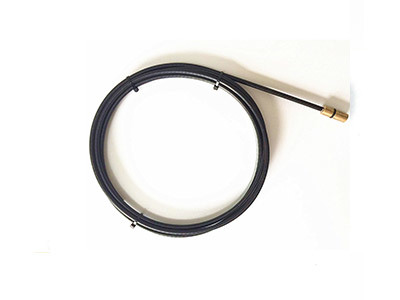
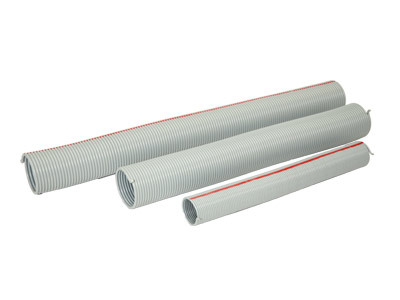
A MIG welder liner is essentially a tube through which the welding wire is fed from the spool to the welding gun. This component is vital for ensuring a smooth and consistent wire feed. When welding aluminum, the choice of liner becomes even more critical. Aluminum wire is softer and more prone to deformation compared to steel wire. Therefore, a liner specifically designed for aluminum can help prevent issues such as bird-nesting, kinking, and wire feed jams.
One of the key attributes of a good MIG welder liner for aluminum is its material. Many aluminum-specific liners are made from Teflon or other low-friction materials. These materials allow for smoother wire movement and reduce the likelihood of the wire binding within the liner. This is particularly important when welding aluminum, as any interruption in the wire feed can lead to poor weld quality and defects.
Another essential consideration is the diameter of the liner. It’s crucial to match the liner diameter with the aluminum wire being used. Using a liner that is too small can lead to increased friction, while a liner that is too large may cause the wire to move erratically, both of which can adversely affect the welding process.
Maintenance is also a key factor in prolonging the life of your MIG welder liner. Regularly cleaning the liner can help remove any buildup of metal shavings and debris, which can hinder the wire feed and lead to poor welding performance. It's often recommended to check the liner for wear and replace it periodically, especially if you notice any inconsistencies in wire feeding.
Additionally, the type of welding gun used in conjunction with the MIG welder liner can also impact performance. Ensuring that the gun is compatible with the liner and the aluminum wire can further enhance the efficiency and quality of your welding projects.
In summary, selecting the right MIG welder liner for aluminum is crucial for achieving optimal welding results. By understanding the materials, diameter, and maintenance practices associated with these liners, you can significantly improve your welding processes and outcomes. Whether you are a seasoned welder or just starting, paying attention to the details of your equipment can lead to better performance and higher-quality welds.
A MIG welder liner is essentially a tube through which the welding wire is fed from the spool to the welding gun. This component is vital for ensuring a smooth and consistent wire feed. When welding aluminum, the choice of liner becomes even more critical. Aluminum wire is softer and more prone to deformation compared to steel wire. Therefore, a liner specifically designed for aluminum can help prevent issues such as bird-nesting, kinking, and wire feed jams.
One of the key attributes of a good MIG welder liner for aluminum is its material. Many aluminum-specific liners are made from Teflon or other low-friction materials. These materials allow for smoother wire movement and reduce the likelihood of the wire binding within the liner. This is particularly important when welding aluminum, as any interruption in the wire feed can lead to poor weld quality and defects.
Another essential consideration is the diameter of the liner. It’s crucial to match the liner diameter with the aluminum wire being used. Using a liner that is too small can lead to increased friction, while a liner that is too large may cause the wire to move erratically, both of which can adversely affect the welding process.
Maintenance is also a key factor in prolonging the life of your MIG welder liner. Regularly cleaning the liner can help remove any buildup of metal shavings and debris, which can hinder the wire feed and lead to poor welding performance. It's often recommended to check the liner for wear and replace it periodically, especially if you notice any inconsistencies in wire feeding.
Additionally, the type of welding gun used in conjunction with the MIG welder liner can also impact performance. Ensuring that the gun is compatible with the liner and the aluminum wire can further enhance the efficiency and quality of your welding projects.
In summary, selecting the right MIG welder liner for aluminum is crucial for achieving optimal welding results. By understanding the materials, diameter, and maintenance practices associated with these liners, you can significantly improve your welding processes and outcomes. Whether you are a seasoned welder or just starting, paying attention to the details of your equipment can lead to better performance and higher-quality welds.
Related News
Contact Us
E-mail:
WhatsAPP:
Address:
Wen 'an Industrial New Area (small Farm), Langfang, Hebei, China