

Unlocking the Secrets of MIG Welder Liners for Aluminum: A Comprehensive Guide
Release Time:
2024-11-15
Unlocking the Secrets of MIG Welder Liners for Aluminum: A Comprehensive Guide Table of Contents 1. Introduction to MIG Welding and Aluminum 2. The Importance of Welder Liners in MIG Welding 3. Types of Liners Suitable for Aluminum Welding 4. How to Choose the Right Liner for Your MIG Welder 5. Installation and Maintenance of MIG Welder Liners 6. Troubleshooting Common Liner Issues 7. Upgrading Y

Unlocking the Secrets of MIG Welder Liners for Aluminum: A Comprehensive Guide
Table of Contents
- 1. Introduction to MIG Welding and Aluminum
- 2. The Importance of Welder Liners in MIG Welding
- 3. Types of Liners Suitable for Aluminum Welding
- 4. How to Choose the Right Liner for Your MIG Welder
- 5. Installation and Maintenance of MIG Welder Liners
- 6. Troubleshooting Common Liner Issues
- 7. Upgrading Your Welding Setup: When to Replace a Liner
- 8. Conclusion
- 9. FAQs
1. Introduction to MIG Welding and Aluminum
MIG welding, or Metal Inert Gas welding, is a popular technique known for its speed and versatility. When working with **aluminum**, it presents unique challenges due to its properties. Understanding the dynamics of aluminum is essential. Aluminum can be challenging to weld due to its thermal conductivity, which can lead to warping and burn-through if not managed correctly. The **role of MIG welder liners** becomes vital in ensuring smooth operation and successful welds.
2. The Importance of Welder Liners in MIG Welding
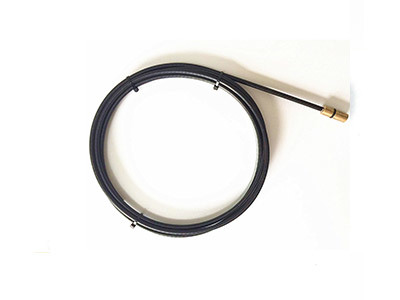
Welder liners are critical components of a MIG welding setup. They guide the welding wire from the spool to the gun, maintaining the proper feed rate and ensuring consistent delivery of the wire. For aluminum welding, **using the right liner** can significantly improve feed efficiency and reduce the likelihood of wire jams and inconsistent arcs.
2.1 Benefits of High-Quality Welder Liners
Investing in high-quality welder liners yields numerous benefits including:
- **Improved Wire Feed**: A smoother liner promotes efficient wire feeding.
- **Reduced Friction**: Quality materials lower resistance, prolonging liner life.
- **Enhanced Welding Performance**: Better control over wire delivery leads to more stable arcs.
3. Types of Liners Suitable for Aluminum Welding
When selecting a liner for aluminum welding, it’s essential to understand the different types available. Each type has its own set of characteristics and applications.
3.1 Teflon Liners
Teflon liners are known for their low friction properties, making them ideal for feeding soft aluminum wire. These liners minimize wire deformation, which is crucial when working with softer materials.
3.2 Steel Liners
Steel liners offer durability and can handle a variety of wire types, including harder aluminum alloys. They are less common for aluminum but can be used in specific applications where strength is necessary.
3.3 Nylon Liners
Nylon liners provide flexibility and resilience, which can be beneficial for certain welding setups. They also resist abrasion, making them suitable for longer runs.
4. How to Choose the Right Liner for Your MIG Welder
Selecting the right liner for your MIG welder involves several considerations:
4.1 Wire Diameter and Type
The diameter of the aluminum wire you’re using plays a pivotal role in liner selection. Ensure that the liner’s inner diameter matches that of the wire for optimal performance.
4.2 Length and Compatibility
Check the length of the liner to ensure it fits your MIG gun. Additionally, compatibility with your specific welding machine is crucial.
4.3 Material Properties
Consider the material properties of the liner. For aluminum, opt for liners that minimize friction and prevent damage to the wire.
5. Installation and Maintenance of MIG Welder Liners
Proper installation and maintenance of MIG welder liners are essential for achieving superior welding results.
5.1 Installing the Liner
- **Step 1**: Remove the old liner from the MIG gun.
- **Step 2**: Measure and cut the new liner to the appropriate length.
- **Step 3**: Feed the new liner into the gun, ensuring it fits snugly.
- **Step 4**: Secure the liner and reattach the gun to the welder.
5.2 Regular Maintenance Tips
- **Clean the liner**: Regularly check for debris buildup and clean it as needed.
- **Inspect for wear**: Look for signs of wear and replace the liner if necessary.
- **Lubricate**: Use a lubricant designed for welding liners to reduce friction.
6. Troubleshooting Common Liner Issues
Even with the best equipment, problems can arise. Here are some common issues and how to troubleshoot them.
6.1 Wire Jamming
If the wire frequently jams, check for:
- A clogged liner
- Incorrect liner length
- Misalignment of the feeder
6.2 Inconsistent Arc Quality
Inconsistent arc quality can stem from:
- A damaged liner
- Improper wire feeding
- Unstable voltage settings
7. Upgrading Your Welding Setup: When to Replace a Liner
Knowing when to replace your MIG welder liner is crucial for maintaining optimal performance. Signs that it may be time for a replacement include:
- Frequent wire jams
- Visible wear and tear
- Reduced feed efficiency
8. Conclusion
Understanding MIG welder liners, especially for aluminum, is essential for achieving high-quality welds. The right liner ensures smooth wire feeding and optimal arc stability, leading to successful welding projects. By selecting the correct type, maintaining your equipment, and knowing when to make upgrades, you can significantly enhance your welding experience.
9. FAQs
Q1: What type of liner is best for aluminum welding?
A1: Teflon liners are generally the best choice due to their low friction properties, making them ideal for aluminum wire.
Q2: How often should I replace my MIG welder liner?
A2: It depends on usage, but typically, it’s wise to inspect liners regularly and replace them if you notice wear or performance issues.
Q3: Can I use a steel liner for aluminum welding?
A3: While it’s possible, it’s not recommended as steel liners may not provide the same performance advantages as Teflon or nylon liners for aluminum.
Q4: What maintenance is required for MIG welder liners?
A4: Regular cleaning, inspection for wear, and lubrication are key components of proper liner maintenance.
Q5: How does the length of the liner affect performance?
A5: The liner's length must fit the MIG gun correctly; too short or too long can lead to feeding problems and affect arc stability.
By following this comprehensive guide, you’ll be well-equipped to make informed decisions about MIG welder liners for aluminum, ultimately enhancing your welding projects.
Related News
Contact Us
E-mail:
WhatsAPP:
Address:
Wen 'an Industrial New Area (small Farm), Langfang, Hebei, China