

Unveiling the Secrets of MIG Welding Machine Liners: A Comprehensive Guide
Release Time:
2024-11-19
Unveiling the Secrets of MIG Welding Machine Liners MIG welding, or Metal Inert Gas welding, is a widely used process in various industries, from automotive to construction. A critical component that often goes unnoticed is the MIG welding machine liner. This article delves into the secrets of MIG welding machine liners, exploring their types, materials, installation, maintenance, and troubleshoot

Unveiling the Secrets of MIG Welding Machine Liners
MIG welding, or Metal Inert Gas welding, is a widely used process in various industries, from automotive to construction. A critical component that often goes unnoticed is the MIG welding machine liner. This article delves into the secrets of MIG welding machine liners, exploring their types, materials, installation, maintenance, and troubleshooting tips. By the end, you’ll have a thorough understanding of how these liners enhance welding performance and contribute to the longevity of your equipment.
Table of Contents
- Understanding MIG Welding Machine Liners
- Types of MIG Welding Machine Liners
- Materials Used in MIG Welding Machine Liners
- Importance of MIG Welding Machine Liners
- Installing MIG Welding Machine Liners
- Maintaining Your MIG Welding Machine Liners
- Troubleshooting Common Issues with MIG Welding Machine Liners
- Frequently Asked Questions about MIG Welding Machine Liners
Understanding MIG Welding Machine Liners
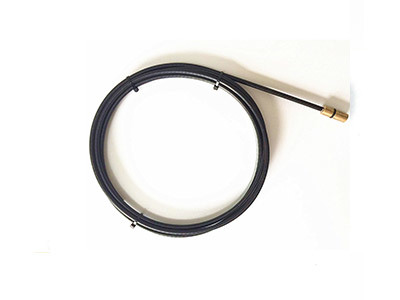
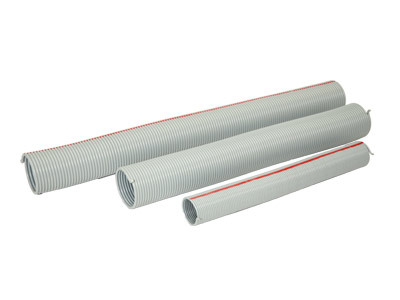
MIG welding machine liners serve as a conduit for the welding wire, guiding it from the spool to the welding torch. These liners play a vital role in maintaining a smooth and consistent wire feed, which is essential for high-quality welds. Without a properly functioning liner, welders may face issues such as wire jams, inconsistent feeding, and increased wear on the machine.
How MIG Welding Works
Before diving deeper into liners, it’s essential to understand how MIG welding operates. It involves feeding a continuous solid wire electrode through the welding gun, where it melts and fuses with the base metal. An inert gas, usually argon or a mixture of gases, protects the molten weld pool from atmospheric contamination. The efficiency of this process heavily relies on the condition and quality of the welding machine liner.
Types of MIG Welding Machine Liners
There are several types of MIG welding machine liners available, and choosing the right one is crucial for optimal performance.
Standard Liners
Standard liners are typically made from flexible materials, allowing them to guide the wire effectively. They are suitable for general-purpose MIG welding applications.
Heavy-Duty Liners
Designed for demanding environments, heavy-duty liners are constructed from more robust materials. They are ideal for high-volume welding operations where wear and tear are common.
PTFE Liners
Polytetrafluoroethylene (PTFE) liners offer excellent friction reduction and can withstand high temperatures. They are particularly useful for welding aluminum or other non-ferrous materials, where smooth wire feeding is essential.
Plastic Liners
Plastic liners are lightweight and flexible, making them easy to install. However, they may not provide the same durability as some of their metal counterparts. They are generally used for less intensive applications.
Materials Used in MIG Welding Machine Liners
The choice of material in MIG welding machine liners can significantly affect performance and longevity.
Steel Liners
Steel liners are strong and durable, making them suitable for heavy-duty applications. They can handle high pressures and are less prone to deformation over time.
Brass Liners
Brass liners are corrosion-resistant and provide excellent conductivity. They are commonly used in applications where moisture exposure is likely.
Polymer Liners
Polymer (plastic) liners are lightweight and flexible. While they may not be as durable as metal options, their resistance to corrosion makes them suitable for specific environments.
Composite Liners
Composite materials combine the benefits of different materials to offer enhanced performance. These liners can provide excellent wear resistance while maintaining flexibility.
Importance of MIG Welding Machine Liners
MIG welding machine liners are crucial for several reasons, as they directly impact the welding process's efficiency and quality.
Ensuring Consistent Wire Feed
The primary function of a MIG welding liner is to ensure a steady and reliable wire feed. This consistency leads to uniform welds and minimizes the risk of defects.
Reducing Wear and Tear
A high-quality liner can reduce friction during wire feeding, which decreases wear on both the liner and the welding gun. This can lead to lower maintenance costs and longer equipment life.
Enhancing Welding Quality
With a proper liner in place, welders can achieve better arc stability, less spattering, and cleaner welds. This is particularly important in professional settings where the quality of work is paramount.
Installing MIG Welding Machine Liners
Proper installation of MIG welding machine liners is essential for optimal performance. Here’s a step-by-step guide.
Step 1: Gather Necessary Tools
Before starting, ensure you have the necessary tools, including a wire cutter, pliers, and appropriate safety equipment.
Step 2: Remove the Old Liner
Carefully detach the old liner from the machine. Take note of how it was installed to aid in the installation of the new one.
Step 3: Prepare the New Liner
Cut the new liner to the appropriate length, ensuring it fits snugly. If using a PTFE liner, consider using a lubricant to ease the installation process.
Step 4: Install the New Liner
Feed the new liner into the machine following the same path as the old one. Ensure it is securely attached at both ends, and adjust as necessary for a proper fit.
Maintaining Your MIG Welding Machine Liners
Regular maintenance of MIG welding machine liners can extend their lifespan and ensure consistent performance.
Regular Inspection
Inspect the liner regularly for signs of wear and tear. Look for fraying, kinks, or any obstructions that could impede wire feeding.
Cleaning the Liner
Keep the liner clean by periodically blowing out any debris with compressed air. This practice helps prevent jams and maintains smooth operation.
Lubrication
If using a PTFE liner, apply a light lubricant to enhance wire feeding efficiency. Ensure that the lubricant is compatible with the materials being welded.
Troubleshooting Common Issues with MIG Welding Machine Liners
Even with proper maintenance, issues may arise with MIG welding machine liners. Here are some common problems and their solutions.
Wire Jamming
If you experience wire jams, check for blockages in the liner. Remove any debris and inspect the liner for damage that could affect wire feeding.
Inconsistent Wire Feed
Inconsistencies can arise from a poorly installed liner or a liner that is too worn. Review the installation and consider replacing the liner if necessary.
Excessive Wear on the Liner
Excessive wear may indicate that the wrong type of liner is being used for your application. Ensure that your liner is suitable for the materials and conditions you are working with.
Frequently Asked Questions about MIG Welding Machine Liners
What is the purpose of a MIG welding machine liner?
The primary purpose of a MIG welding machine liner is to guide the welding wire from the spool to the welding gun, ensuring smooth and consistent feeding.
How often should I replace my MIG welding machine liner?
The replacement frequency depends on usage. Inspect the liner regularly, and replace it if you notice signs of wear, such as fraying or kinks.
Can I use any type of liner for my MIG welding machine?
It’s essential to choose a liner compatible with your specific welding machine and the materials you are working with. Consult the manufacturer’s recommendations for guidance.
How do I clean my MIG welding machine liner?
Use compressed air to blow out debris from the liner regularly. Ensure that the liner is free from obstructions to maintain smooth wire feeding.
What can I do to improve the lifespan of my MIG welding machine liner?
Regular maintenance, including inspections and cleaning, can significantly extend the lifespan of your MIG welding machine liner. Ensure proper installation and use appropriate lubricants where needed.
Conclusion
Understanding the significance of MIG welding machine liners is crucial for anyone involved in welding applications. By selecting the right type and material, maintaining the liners properly, and addressing common issues promptly, welders can ensure more efficient and high-quality welding work. As technology advances, staying informed about the latest developments in MIG welding machine liners will help you maximize your equipment's performance and extend its lifespan. Investing in quality liners and prioritizing their maintenance will undoubtedly pay off in the long run, leading to better results in your welding projects.
Related News
Contact Us
E-mail:
WhatsAPP:
Address:
Wen 'an Industrial New Area (small Farm), Langfang, Hebei, China