

Understanding the Importance of MIG Welding Torch Liners: A Focus on Blue Liners
Release Time:
2024-11-10
MIG welding, or Metal Inert Gas welding, is a widely used welding process due to its versatility and speed. One of the key components of a MIG welding setup is the torch, which is equipped with a liner that guides the welding wire from the spool to the welding gun. Among various types of liners, blue MIG welding torch liners are favored for their unique properties and performance benefits. The pri

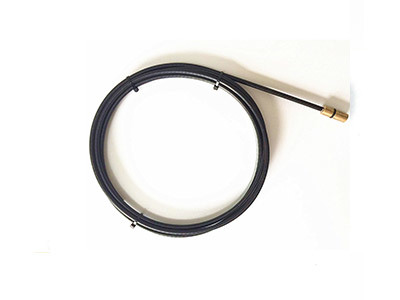
MIG welding, or Metal Inert Gas welding, is a widely used welding process due to its versatility and speed. One of the key components of a MIG welding setup is the torch, which is equipped with a liner that guides the welding wire from the spool to the welding gun. Among various types of liners, blue MIG welding torch liners are favored for their unique properties and performance benefits.
The primary function of the MIG welding torch liner is to provide a smooth pathway for the welding wire, which is crucial for maintaining a consistent feed rate. A well-functioning liner ensures that the wire is fed smoothly and without interruption, which contributes to achieving a stable arc and quality welds. The color of the liner, such as blue, often indicates specific material characteristics or manufacturing processes that enhance its performance.
Blue liners are typically made from high-quality materials that provide durability and flexibility. They are designed to withstand the high temperatures and pressures associated with the welding process while minimizing friction and wear. Choosing the right liner material is essential, as it can affect the overall functioning of the MIG torch. For instance, some blue liners are made from Teflon or other advanced polymers that reduce friction, allowing for smoother wire feeding and less chance of wire jams.
The maintenance of MIG welding torch liners is vital for prolonging their lifespan and ensuring optimal performance. Regular inspection and cleaning of the liner can prevent issues such as wire feeding problems or blockages. It is recommended to replace the liner periodically or as needed, particularly if you notice any signs of wear or damage. An effective practice is to keep spare liners on hand, as this can significantly reduce downtime during welding projects.
Professionals should also consider the length and diameter of the liner when making a selection. The correct size will depend on the specific MIG welding application and the type of welding wire being used. It is essential to match the liner diameter to the wire size for optimal feeding performance.
In conclusion, understanding the role of MIG welding torch liners, particularly blue ones, is essential for any professional in the welding field. By choosing the right type of liner and maintaining it properly, you can enhance the efficiency of your welding operations, leading to better results and increased productivity. Whether you are involved in industrial manufacturing, construction, or artistic metalworking, paying attention to the details of your welding setup, including the torch liner, can significantly impact your work's quality and efficiency.
The primary function of the MIG welding torch liner is to provide a smooth pathway for the welding wire, which is crucial for maintaining a consistent feed rate. A well-functioning liner ensures that the wire is fed smoothly and without interruption, which contributes to achieving a stable arc and quality welds. The color of the liner, such as blue, often indicates specific material characteristics or manufacturing processes that enhance its performance.
Blue liners are typically made from high-quality materials that provide durability and flexibility. They are designed to withstand the high temperatures and pressures associated with the welding process while minimizing friction and wear. Choosing the right liner material is essential, as it can affect the overall functioning of the MIG torch. For instance, some blue liners are made from Teflon or other advanced polymers that reduce friction, allowing for smoother wire feeding and less chance of wire jams.
The maintenance of MIG welding torch liners is vital for prolonging their lifespan and ensuring optimal performance. Regular inspection and cleaning of the liner can prevent issues such as wire feeding problems or blockages. It is recommended to replace the liner periodically or as needed, particularly if you notice any signs of wear or damage. An effective practice is to keep spare liners on hand, as this can significantly reduce downtime during welding projects.
Professionals should also consider the length and diameter of the liner when making a selection. The correct size will depend on the specific MIG welding application and the type of welding wire being used. It is essential to match the liner diameter to the wire size for optimal feeding performance.
In conclusion, understanding the role of MIG welding torch liners, particularly blue ones, is essential for any professional in the welding field. By choosing the right type of liner and maintaining it properly, you can enhance the efficiency of your welding operations, leading to better results and increased productivity. Whether you are involved in industrial manufacturing, construction, or artistic metalworking, paying attention to the details of your welding setup, including the torch liner, can significantly impact your work's quality and efficiency.
Related News
Contact Us
E-mail:
WhatsAPP:
Address:
Wen 'an Industrial New Area (small Farm), Langfang, Hebei, China