

How to Identify Quality in MIG Welding Torch Liners: A Comprehensive Guide
Release Time:
2024-11-09
How to Identify Quality in MIG Welding Torch Liners MIG welding is a widely used technique in various industries due to its efficiency and versatility. At the heart of this process is the MIG welding torch, and specifically, the torch liner, which plays a crucial role in delivering the welding wire smoothly and efficiently. Understanding how to identify the quality of MIG welding torch liners is e

How to Identify Quality in MIG Welding Torch Liners
MIG welding is a widely used technique in various industries due to its efficiency and versatility. At the heart of this process is the MIG welding torch, and specifically, the torch liner, which plays a crucial role in delivering the welding wire smoothly and efficiently. Understanding how to identify the quality of MIG welding torch liners is essential for ensuring optimal performance and longevity. In this comprehensive guide, we will explore the key features, materials, and indicators of quality in MIG welding torch liners.
Table of Contents
- What is a MIG Welding Torch Liner?
- The Importance of Quality Torch Liners in MIG Welding
- Key Factors in Identifying Quality MIG Welding Torch Liners
- Material Considerations
- Size and Diameter
- Flexibility and Bend Radius
- Thermal Conductivity
- Durability and Wear Resistance
- How to Test the Quality of Torch Liners
- Common Issues with Poor Quality Torch Liners
- Maintenance Tips for MIG Welding Torch Liners
- Frequently Asked Questions (FAQs)
- Conclusion
What is a MIG Welding Torch Liner?
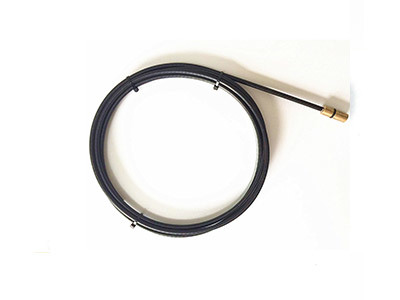
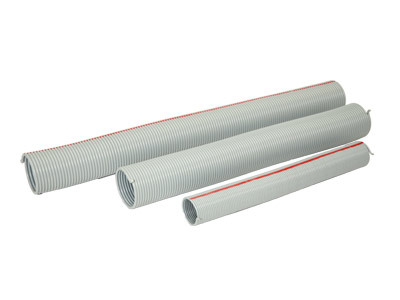
A MIG welding torch liner is a critical component of the MIG welding process, serving as a conduit for the welding wire as it travels from the welding machine to the welding gun. The liner plays a pivotal role in ensuring a smooth and consistent flow of the welding wire, which is essential for achieving high-quality welds. Without a quality torch liner, the performance of the entire welding setup can be compromised.
The Importance of Quality Torch Liners in MIG Welding
Quality torch liners are essential for several reasons:
- Improved Wire Feeding: A well-manufactured liner ensures smooth wire feeding, reducing the likelihood of jams and misfeeds that can interrupt the welding process.
- Enhanced Weld Quality: Consistent and reliable wire feeding contributes to better weld quality, as it allows for steady and uniform deposition of the filler material.
- Increased Efficiency: High-quality liners help reduce downtime by minimizing issues related to wire feeding, allowing welders to complete their tasks more efficiently.
- Longer Lifespan: Investing in quality liners can lead to reduced wear and tear, extending the overall lifespan of the welding torch and associated components.
Key Factors in Identifying Quality MIG Welding Torch Liners
Identifying a quality MIG welding torch liner requires an understanding of several key factors. Here, we delve into the most critical considerations that can help you make an informed decision.
Material Considerations
The material used in the construction of a MIG welding torch liner significantly impacts its performance and durability. Common materials include:
- PTFE (Polytetrafluoroethylene): Known for its excellent chemical resistance and low friction properties, PTFE liners provide smooth wire feeding and are commonly used in high-performance applications.
- Polyethylene: This material is lightweight and offers good flexibility, making it suitable for general-purpose welding applications.
- Steel-lined Liners: Steel liners are durable and provide excellent resistance to wear, making them ideal for heavy-duty applications.
Size and Diameter
The size and diameter of the torch liner must match the specifications of the MIG welding torch and the welding wire being used. A mismatch can lead to feeding problems and negatively impact weld quality. It’s essential to consult the manufacturer’s guidelines to ensure compatibility.
Flexibility and Bend Radius
Flexibility is crucial for a MIG welding torch liner, especially in applications requiring maneuverability. The bend radius should be appropriate for the intended use; too tight a bend can cause kinks, leading to wire feeding issues. Quality liners are designed to maintain their shape without compromising flexibility.
Thermal Conductivity
High-quality torch liners exhibit good thermal conductivity, which helps dissipate heat generated during the welding process. This characteristic is vital for preventing overheating and ensuring consistent performance. Poor thermal management can lead to premature wear and degradation of the liner.
Durability and Wear Resistance
Durability is a crucial factor when assessing the quality of MIG welding torch liners. Liners that are resistant to wear and tear will perform better over time, reducing the frequency of replacements. Look for liners that have been tested for wear resistance in demanding conditions to ensure long-lasting performance.
How to Test the Quality of Torch Liners
To ensure you are selecting a quality MIG welding torch liner, consider conducting the following tests:
- Visual Inspection: Examine the liner for any visible defects such as kinks, cracks, or uneven surfaces that might affect its performance.
- Flexibility Test: Gently bend the liner to assess its flexibility. A high-quality liner should maintain its shape without crumpling or kinking.
- Wire Feed Test: Install the liner in your welding torch and conduct a wire feed test. Check for any interruptions or inconsistencies during the feeding process.
- Heat Resistance Test: Run a welding operation at a typical workload and monitor the liner for any signs of overheating or damage.
Common Issues with Poor Quality Torch Liners
Using low-quality MIG welding torch liners can lead to several problems that can affect both the performance of the welder and the quality of the welds:
- Wire Jamming: Poorly manufactured liners can lead to frequent wire jams, disrupting the welding process and causing frustration.
- Inconsistent Wire Feed: A liner that does not provide smooth feeding can result in inconsistent welds, making it difficult to produce high-quality results.
- Increased Downtime: Frequent issues with liner performance can lead to increased downtime as welders spend time troubleshooting and replacing liners.
- Shortened Equipment Lifespan: Low-quality liners can contribute to increased wear on the entire welding system, shortening the lifespan of the equipment.
Maintenance Tips for MIG Welding Torch Liners
Proper maintenance of MIG welding torch liners is essential for ensuring their longevity and performance. Here are some tips to keep in mind:
- Regular Cleaning: Keep the liner clean from any debris or spatter that can accumulate over time. Use a soft brush or compressed air to remove buildup.
- Inspect for Wear: Periodically check the liner for signs of wear or damage. Replace it as necessary to maintain optimal performance.
- Proper Installation: Ensure that the liner is installed correctly to avoid kinks and misalignments that can lead to feeding issues.
- Use Compatible Materials: Always use welding wires and materials that are compatible with your liner to prevent unnecessary wear and damage.
Frequently Asked Questions (FAQs)
1. What is the ideal material for a MIG welding torch liner?
The ideal material depends on your specific welding application, but PTFE and steel-lined liners are popular choices for their durability and performance.
2. How often should I replace my MIG welding torch liner?
Replacement frequency varies based on usage, but you should inspect your liner regularly and replace it if you notice any damage or significant wear.
3. Can I use a liner from a different brand?
While it might fit physically, using a liner from a different brand may lead to compatibility issues. It's best to use liners recommended by the torch manufacturer.
4. What are the signs of a worn-out liner?
Common signs include wire jamming, inconsistent wire feed, and visible damage such as kinks or cracks.
5. How can I improve the lifespan of my MIG welding torch liner?
Maintain regular cleaning, inspect for wear, and ensure proper installation to help prolong the lifespan of your liner.
Conclusion
Identifying quality in MIG welding torch liners is essential for achieving optimal welding performance and ensuring the longevity of your equipment. By understanding the key factors such as material considerations, size, flexibility, thermal conductivity, and durability, you can make informed decisions when selecting a liner. Regular maintenance and testing will also help you avoid common issues associated with poor-quality liners. Investing in a high-quality MIG welding torch liner not only enhances your welding capabilities but also contributes to the overall efficiency and effectiveness of your welding operations.
Related News
Contact Us
E-mail:
WhatsAPP:
Address:
Wen 'an Industrial New Area (small Farm), Langfang, Hebei, China