

Understanding MIG Welding Torch Liners: The Role of Blue Liners in Welding Performance
Release Time:
2024-11-08
When it comes to MIG welding, the equipment you use plays a crucial role in determining the quality and efficiency of your welds. One of the lesser-discussed yet vital components is the MIG welding torch liner, particularly those made from the distinctive blue material. Understanding the purpose and functionality of these torch liners can greatly enhance your welding experience. MIG welding, or Me

When it comes to MIG welding, the equipment you use plays a crucial role in determining the quality and efficiency of your welds. One of the lesser-discussed yet vital components is the MIG welding torch liner, particularly those made from the distinctive blue material. Understanding the purpose and functionality of these torch liners can greatly enhance your welding experience.
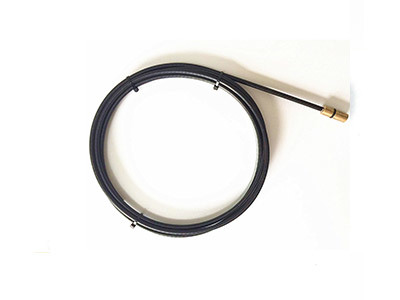
MIG welding, or Metal Inert Gas welding, is a process that utilizes a continuous wire electrode fed through a welding torch. The torch liner is an essential part of this setup, guiding the wire electrode from the spool to the welding gun nozzle. The liner's primary purpose is to ensure smooth wire feeding, which is critical for maintaining a stable arc and achieving quality welds.
The blue MIG welding torch liner is often made from high-quality materials that offer several advantages over standard liners. One of the key benefits is the reduced friction that these liners provide. This characteristic allows for smoother wire feeding, minimizing the chances of jams or irregular wire flow, which can lead to poor weld quality. Additionally, the blue liner is designed to be durable and resistant to wear, ensuring a longer lifespan compared to traditional options.
Another important aspect of the blue MIG welding torch liner is its compatibility with various wire sizes and types. Whether you are working with solid wire or flux-cored wire, choosing the right liner is essential. The blue liner is typically designed to accommodate a range of wire diameters, making it a versatile choice for different welding applications. This adaptability can be particularly beneficial for professional welders who frequently switch between different materials and welding techniques.
Maintaining your MIG welding torch liner is also crucial for ensuring optimal performance. Regularly inspecting the liner for wear and tear can help prevent issues before they arise. If you notice any signs of damage, such as fraying or significant wear, it may be time to replace the liner. Keeping the liner clean is equally important, as debris and contaminants can hinder wire feeding and affect the quality of the weld.
In conclusion, understanding the role of the MIG welding torch liner, especially the blue variants, is essential for anyone involved in welding. These liners not only enhance the feeding process but also contribute to the overall efficiency and quality of your welds. By investing in a high-quality MIG welding torch liner and maintaining it properly, you can significantly improve your welding projects and outcomes. Whether you are a hobbyist or a professional, the right equipment will always make a difference in your work.
MIG welding, or Metal Inert Gas welding, is a process that utilizes a continuous wire electrode fed through a welding torch. The torch liner is an essential part of this setup, guiding the wire electrode from the spool to the welding gun nozzle. The liner's primary purpose is to ensure smooth wire feeding, which is critical for maintaining a stable arc and achieving quality welds.
The blue MIG welding torch liner is often made from high-quality materials that offer several advantages over standard liners. One of the key benefits is the reduced friction that these liners provide. This characteristic allows for smoother wire feeding, minimizing the chances of jams or irregular wire flow, which can lead to poor weld quality. Additionally, the blue liner is designed to be durable and resistant to wear, ensuring a longer lifespan compared to traditional options.
Another important aspect of the blue MIG welding torch liner is its compatibility with various wire sizes and types. Whether you are working with solid wire or flux-cored wire, choosing the right liner is essential. The blue liner is typically designed to accommodate a range of wire diameters, making it a versatile choice for different welding applications. This adaptability can be particularly beneficial for professional welders who frequently switch between different materials and welding techniques.
Maintaining your MIG welding torch liner is also crucial for ensuring optimal performance. Regularly inspecting the liner for wear and tear can help prevent issues before they arise. If you notice any signs of damage, such as fraying or significant wear, it may be time to replace the liner. Keeping the liner clean is equally important, as debris and contaminants can hinder wire feeding and affect the quality of the weld.
In conclusion, understanding the role of the MIG welding torch liner, especially the blue variants, is essential for anyone involved in welding. These liners not only enhance the feeding process but also contribute to the overall efficiency and quality of your welds. By investing in a high-quality MIG welding torch liner and maintaining it properly, you can significantly improve your welding projects and outcomes. Whether you are a hobbyist or a professional, the right equipment will always make a difference in your work.
Related News
Contact Us
E-mail:
WhatsAPP:
Address:
Wen 'an Industrial New Area (small Farm), Langfang, Hebei, China