

The Future of MIG Welding Torch Liners: Trends to Watch
Release Time:
2024-11-07
The Future of MIG Welding Torch Liners: Trends to Watch Table of Contents 1. Introduction to MIG Welding Torch Liners 2. Current Trends in MIG Welding Torch Liners 3. Innovative Materials Revolutionizing MIG Welding Torch Liners 4. Technological Advancements Impacting MIG Welding 5. The Role of Sustainability in Future Torch Liners 6. Enhancing User Experience with New

The Future of MIG Welding Torch Liners: Trends to Watch
Table of Contents
- 1. Introduction to MIG Welding Torch Liners
- 2. Current Trends in MIG Welding Torch Liners
- 3. Innovative Materials Revolutionizing MIG Welding Torch Liners
- 4. Technological Advancements Impacting MIG Welding
- 5. The Role of Sustainability in Future Torch Liners
- 6. Enhancing User Experience with New Designs
- 7. Challenges in Adopting New Technologies
- 8. Conclusion
- 9. Frequently Asked Questions
1. Introduction to MIG Welding Torch Liners
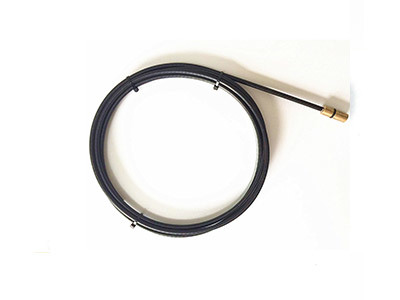
MIG (Metal Inert Gas) welding has transformed the welding industry, making it more efficient and versatile. At the heart of this process is the MIG welding torch, which plays a crucial role in the overall quality and precision of the weld. One of the most critical components of the MIG welding torch is the liner. The liner guides the welding wire through the torch, ensuring a smooth feed and preventing jams. With the ever-evolving landscape of technology and materials, the future of MIG welding torch liners is poised for significant changes.
2. Current Trends in MIG Welding Torch Liners
The MIG welding sector is undergoing transformative trends that are reshaping the design and functionality of torch liners. One of the notable trends is the shift toward **modular liner systems**. These systems allow for easy replacement and customization, catering to different welding applications and materials. Additionally, the industry is seeing a rise in the use of **lightweight materials**, reducing the overall weight of welding torches and enhancing user comfort during prolonged use.
Moreover, **smart technology integration** is becoming more prevalent. Sensors embedded in the liners can monitor wire feed speed and adjust accordingly to optimize performance. This not only improves weld quality but also enhances the efficiency of the welding process.
3. Innovative Materials Revolutionizing MIG Welding Torch Liners
The materials used in MIG welding torch liners are evolving, offering improved performance and durability. Traditional liners made from steel or plastic are being replaced with **advanced polymers** and **composite materials**. These new materials provide better wear resistance, reduced friction, and increased lifespan.
For example, **PTFE (Polytetrafluoroethylene)** liners are gaining popularity due to their low friction properties, allowing for smoother wire feeding and reducing the risk of jamming. Furthermore, these materials can withstand high temperatures and are resistant to chemical corrosion, making them ideal for various welding environments.
Another innovative development is the introduction of **self-cleaning liners**. These liners utilize advanced coatings that prevent buildup of spatter and contaminants, ensuring consistent performance and reducing maintenance needs.
4. Technological Advancements Impacting MIG Welding
Technological innovation is a driving force behind the future of MIG welding torch liners. The integration of **robotics and automation** is significantly impacting the manufacturing processes of these liners. Automated systems can produce liners with greater precision and consistency, resulting in higher quality products.
Furthermore, the advent of **3D printing technology** is revolutionizing the design and production of welding torch liners. This technology allows for rapid prototyping and customization, enabling manufacturers to create liners that are tailored to specific applications.
**Artificial Intelligence (AI)** is also playing a role in optimizing welding processes. AI systems can analyze data from welding operations, providing insights that can lead to enhancements in liner design and functionality. For instance, AI can predict wear patterns in liners, informing users when to replace them for optimal performance.
5. The Role of Sustainability in Future Torch Liners
As the world becomes increasingly aware of environmental issues, sustainability is emerging as a key concern in the manufacturing of MIG welding torch liners. Manufacturers are exploring **eco-friendly materials** and processes that reduce waste and environmental impact.
For instance, using **recycled materials** in the production of liners can significantly decrease the carbon footprint associated with their manufacture. Additionally, companies are adopting **green manufacturing practices** that minimize energy consumption and reduce hazardous waste.
Moreover, the durability of new materials means that liners will last longer, reducing the frequency of replacements and contributing to a more sustainable approach in the welding industry.
6. Enhancing User Experience with New Designs
The design of MIG welding torch liners is undergoing a transformation aimed at enhancing user experience. Ergonomic considerations are becoming increasingly important, with manufacturers focusing on creating liners that are easier to handle and install.
**Adjustable lengths** and **custom fit designs** allow users to personalize their welding equipment based on individual preferences and applications. This not only improves comfort but also leads to better overall welding performance.
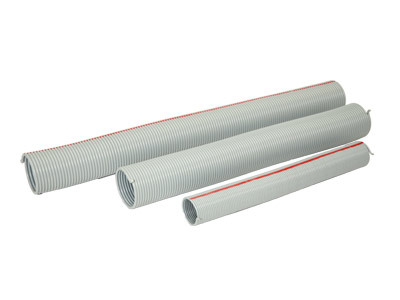
Additionally, the development of **color-coded liners** is making it easier for welders to identify the right liner for different wire sizes and materials. This innovation streamlines the welding process, reducing the time spent on setup and increasing productivity.
7. Challenges in Adopting New Technologies
While the advancements in MIG welding torch liners are promising, several challenges remain in adopting these new technologies. One of the primary hurdles is the **cost of new materials and technologies**. Although the long-term benefits of improved liners can outweigh initial expenses, many smaller operations may struggle with the upfront investment.
Additionally, there is a learning curve associated with new technologies, particularly for welders accustomed to traditional methods. **Training and education** will be critical in ensuring that users can effectively utilize the advancements in liner technology.
Furthermore, the rapid pace of technological change poses another challenge. Manufacturers must continuously innovate to remain competitive, which can lead to inconsistencies in product availability and quality.
8. Conclusion
The future of MIG welding torch liners is promising, driven by innovative materials, advanced technology, and a focus on sustainability. As the industry evolves, welders and manufacturers alike must stay informed about these trends to leverage the benefits they offer. Embracing these changes will not only enhance the efficiency and quality of welding operations but also contribute to a more sustainable and user-friendly environment.
9. Frequently Asked Questions
1. What materials are currently used in MIG welding torch liners?
The most common materials include steel, plastic, and newer advanced polymers like PTFE, which offer better performance and durability.
2. How do smart technologies enhance MIG welding torch liners?
Smart technologies enable real-time monitoring and adjustments to wire feed speeds, optimizing performance and improving weld quality.
3. What are the benefits of using self-cleaning liners?
Self-cleaning liners reduce the buildup of contaminants, ensuring consistent performance and minimizing maintenance efforts.
4. Are there eco-friendly options for MIG welding torch liners?
Yes, manufacturers are increasingly using recycled materials and adopting green manufacturing practices to reduce environmental impact.
5. How can I determine when to replace my MIG welding torch liner?
Monitoring for signs of wear, such as increased friction or wire jams, and using AI tools can help predict when to replace liners for optimal performance.
Related News
Contact Us
E-mail:
WhatsAPP:
Address:
Wen 'an Industrial New Area (small Farm), Langfang, Hebei, China