

Top Features to Look for in a Liner for Bernard Welding Gun
Release Time:
2024-11-11
Top Features to Look for in a Liner for Bernard Welding Gun Table of Contents Introduction to Bernard Welding Guns Why Liners Matter in Welding Applications 1. Material Quality of Liners 2. Proper Liner Diameter 3. Optimal Liner Length 4. Heat Resistance Capabilities 5. Durability and Longevity 6. Flexibility and Maneuverability 7. Compatibility with Various We

Top Features to Look for in a Liner for Bernard Welding Gun
Table of Contents
- Introduction to Bernard Welding Guns
- Why Liners Matter in Welding Applications
- 1. Material Quality of Liners
- 2. Proper Liner Diameter
- 3. Optimal Liner Length
- 4. Heat Resistance Capabilities
- 5. Durability and Longevity
- 6. Flexibility and Maneuverability
- 7. Compatibility with Various Welding Processes
- 8. Ease of Maintenance and Replacement
- Frequently Asked Questions
- Conclusion
Introduction to Bernard Welding Guns
Bernard welding guns are renowned for their exceptional performance and reliability. These tools are crucial for welding tasks across various industries, including automotive, construction, and manufacturing. However, the effectiveness of a Bernard welding gun largely hinges on one key component: the liner. Selecting the right liner can significantly influence the overall performance, efficiency, and quality of your welding projects.
Why Liners Matter in Welding Applications
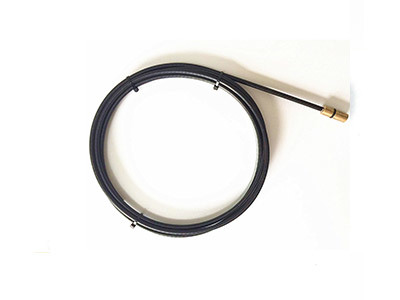
Liners play a pivotal role in ensuring the smooth feeding of welding wires. They guide the wire from the spool to the contact tip, allowing for consistent and efficient welding processes. A well-functioning liner also minimizes friction and wear, which can lead to improved weld quality and reduced downtime. Understanding the features of liners is essential for achieving the best results with your Bernard welding gun.
1. Material Quality of Liners
The material of the liner is one of the most critical factors to consider. High-quality liners are typically made from durable plastics or composite materials that offer excellent wear resistance and flexibility. **Choosing a liner made from premium materials** can significantly extend its lifespan and enhance the overall performance of the welding gun.
When evaluating material quality, look for:
- **Abrasion resistance:** Liners that can withstand the wear and tear of continuous use.
- **Chemical resistance:** Materials that do not degrade when exposed to welding fumes and other substances.
- **Temperature resistance:** Liners that can perform well under high-temperature conditions typical in welding environments.
2. Proper Liner Diameter
Selecting the appropriate liner diameter is crucial for achieving optimal wire feeding and ensuring a proper arc. The liner's diameter should match the size of the welding wire you are using. An incorrect diameter can lead to wire jams, inconsistent feeding, and ultimately poor weld quality.
**Key points to consider:**
- **Standard sizes:** Familiarize yourself with the standard liner diameters suitable for different wire gauges.
- **Tolerances:** Ensure the liner has the right tolerances to allow smooth movement of the wire while minimizing slack.
3. Optimal Liner Length
The length of the liner also affects the performance of the welding gun. A liner that is too short may lead to wire feed issues, while a liner that is excessively long may create unnecessary friction and hinder the feeding process.
**Finding the right length involves:**
- **Compatibility with the gun:** Ensure the liner length matches the specific model of the Bernard welding gun.
- **Welding application:** Consider the working environment to determine if a longer or shorter liner is more advantageous.
4. Heat Resistance Capabilities
Welding generates significant heat, and liners must be able to withstand these temperatures without deforming or degrading. **Heat resistance is essential for maintaining the structural integrity of the liner** throughout prolonged use.
When evaluating heat resistance, consider:
- **Temperature ratings:** Look for liners that specify their maximum operating temperatures.
- **Material properties:** Some materials inherently resist heat better than others, making them more suitable for high-temperature applications.
5. Durability and Longevity
Investing in a durable liner is crucial for minimizing downtime and maintenance costs. High-quality liners are designed to withstand the rigors of welding, providing reliable performance over time.
**Factors that contribute to durability include:**
- **Manufacturing standards:** Liners produced under strict quality controls typically offer better durability.
- **User reviews:** Research user experiences with specific liner brands to gauge their longevity and effectiveness.
6. Flexibility and Maneuverability
Flexibility in a liner allows for easier navigation around corners and tight spaces, which is essential for intricate welding projects. **A flexible liner can enhance your ability to maneuver the welding gun comfortably**, enabling better access to challenging welding positions.
**Considerations for flexibility include:**
- **Material design:** Some materials offer greater flexibility while maintaining strength.
- **Length and diameter interactions:** Ensure that the chosen diameter and length offer the right balance of stiffness and flexibility.
7. Compatibility with Various Welding Processes
Different welding processes may require distinct liner characteristics. Ensure that the liner you choose is compatible with the specific type of welding you are performing, whether it is MIG, TIG, or another method.
**Key compatibility factors include:**
- **Wire type:** Certain liners work better with specific wire types and diameters.
- **Gas shielding:** If using gas-shielded welding, ensure the liner is designed to accommodate the gas flow.
8. Ease of Maintenance and Replacement
Liners will eventually wear out and require replacement. Choosing a liner that is easy to maintain and replace can save time and effort. Look for features that make maintenance straightforward, such as:
- **User-friendly designs:** Liners that can be easily installed without specialized tools.
- **Clear indicators:** Liners with markings or guides that help users know when replacement is necessary.
Frequently Asked Questions
1. How often should I replace the liner in my Bernard welding gun?
**The frequency of liner replacement depends on usage and the materials being welded.** Regular inspections can help determine when a liner needs replacement, generally every few months for frequent users.
2. Can I use any liner with my Bernard welding gun?
No, it is essential to select a liner compatible with your specific model and the type of welding wire you are using. Compatibility ensures proper function and improves weld quality.
3. What are the signs that a liner needs replacing?
Signs include inconsistent wire feeding, visible wear or damage to the liner, and difficulty in maneuvering the welding gun.
4. Is it worth investing in high-quality liners?
Absolutely! High-quality liners enhance performance, reduce downtime, and ultimately save costs in the long run by improving welding efficiency and quality.
5. Can I clean my liner to extend its lifespan?
While it is challenging to clean liners thoroughly, you can remove debris and spatter carefully. However, extreme cleaning may damage the liner, so handle with care.
Conclusion
Choosing the right liner for your Bernard welding gun is a vital aspect of ensuring optimal performance and productivity in your welding tasks. By focusing on features such as material quality, proper diameter and length, heat resistance, durability, flexibility, compatibility, and ease of maintenance, you can significantly enhance your welding experience. Investing time in understanding these features will lead to better results and a more efficient welding process. With the right liner, you can achieve high-quality welds consistently, ensuring your projects meet the highest standards.
Related News
Contact Us
E-mail:
WhatsAPP:
Address:
Wen 'an Industrial New Area (small Farm), Langfang, Hebei, China