

Why a Quality Liner is Essential for Lincoln MIG Welding Success
Release Time:
2024-10-28
Why a Quality Liner is Essential for Lincoln MIG Welding Success Table of Contents 1. Introduction to Lincoln MIG Welding 2. Understanding the Role of the Liner in MIG Welding 3. Types of Liners Used in Lincoln MIG Welding Machines 3.1. PTFE Liners 3.2. Nylon Liners 3.3. Steel Liners 4. Why High-Quality Liners Matter

Why a Quality Liner is Essential for Lincoln MIG Welding Success
Table of Contents
- 1. Introduction to Lincoln MIG Welding
- 2. Understanding the Role of the Liner in MIG Welding
- 3. Types of Liners Used in Lincoln MIG Welding Machines
- 3.1. PTFE Liners
- 3.2. Nylon Liners
- 3.3. Steel Liners
- 4. Why High-Quality Liners Matter
- 4.1. Improved Wire Feed Efficiency
- 4.2. Reduced Wear and Tear
- 4.3. Enhanced Consistency in Weld Quality
- 5. How to Choose the Right Liner for Your Lincoln MIG Welder
- 6. Maintenance Tips for MIG Welding Liners
- 7. Common Issues Arising from Low-Quality Liners
- 8. Frequently Asked Questions about MIG Welding Liners
- 9. Conclusion
1. Introduction to Lincoln MIG Welding
Lincoln Electric is renowned for its high-quality welding equipment, particularly MIG (Metal Inert Gas) welders. These machines are favored by professionals and hobbyists alike for their versatility and ease of use. As with any sophisticated machinery, the components that make up Lincoln MIG welders are essential for optimal performance. Among these components, the liner is often overlooked but plays a pivotal role in ensuring successful welds.
2. Understanding the Role of the Liner in MIG Welding
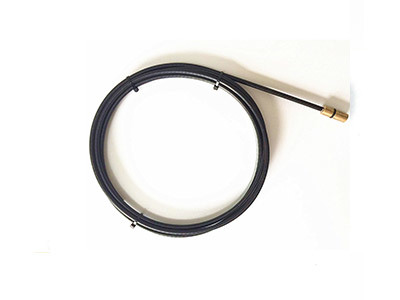
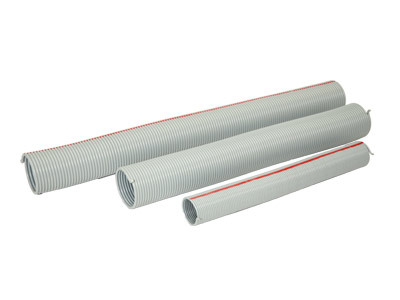
The liner in a MIG welder serves as a conduit for the welding wire. It guides the wire from the spool through the welding gun to the workpiece. The quality of this liner is crucial, as it directly affects the wire feedability and, consequently, the overall quality of the weld. A quality liner ensures a smooth and consistent feed, minimizing the risk of wire jams, inconsistent arcs, and other common welding issues.
3. Types of Liners Used in Lincoln MIG Welding Machines
There are several types of liners available for Lincoln MIG welding machines, each offering specific advantages depending on the welding application.
3.1. PTFE Liners
PTFE (Polytetrafluoroethylene) liners are known for their low friction properties, allowing for seamless wire movement. This makes them ideal for applications requiring high feed speeds and long lengths of welding wire. PTFE is also resistant to heat, making it suitable for high-temperature welding tasks.
3.2. Nylon Liners
Nylon liners are flexible and durable, providing excellent wear resistance. They are less expensive than PTFE liners and are suitable for general-purpose welding applications. However, they may not perform as well at high speeds or in extreme temperatures.
3.3. Steel Liners
Steel liners are the most durable option, capable of withstanding harsh working environments. They are particularly effective for heavy-duty applications but may offer less flexibility compared to PTFE and nylon options. Steel liners are often used in industrial settings where durability is paramount.
4. Why High-Quality Liners Matter
Investing in a quality liner can significantly impact your welding results. Here’s how:
4.1. Improved Wire Feed Efficiency
A high-quality liner ensures that the welding wire feeds smoothly and consistently. This efficiency translates to better arc stability and less downtime due to wire jams. In turn, this leads to more productive welding sessions.
4.2. Reduced Wear and Tear
Quality liners are designed to withstand the rigors of welding, reducing the frequency of replacements. This durability not only saves money in the long run but also enhances the reliability of your welding equipment.
4.3. Enhanced Consistency in Weld Quality
When the liner functions optimally, it contributes to consistent wire feeding, which results in uniform welds. This consistency is critical for achieving high-quality welds that meet professional standards.
5. How to Choose the Right Liner for Your Lincoln MIG Welder
Selecting the appropriate liner is essential for optimizing your welding performance. Consider the following factors when choosing a liner:
- **Wire Type and Diameter**: Ensure the liner is compatible with the type and size of wire you intend to use.
- **Welding Environment**: Assess whether you’ll be working in high-temperature or harsh conditions, which may necessitate a more durable liner.
- **Application Specifics**: Determine if your welding projects require high speed or flexibility, which could influence your liner choice.
6. Maintenance Tips for MIG Welding Liners
Proper maintenance of your MIG welding liner can prolong its lifespan and improve performance. Follow these tips:
- **Regular Cleaning**: Periodically clean the liner to remove debris and residue that can obstruct wire flow.
- **Inspect for Wear**: Routinely check for signs of wear or damage, replacing the liner if necessary.
- **Use the Correct Wire**: Always use the recommended wire type for your specific liner to prevent unnecessary wear.
7. Common Issues Arising from Low-Quality Liners
Using a low-quality liner can lead to several problems, including:
- **Wire Jamming**: Poorly manufactured liners often lead to wire jams, which interrupt workflow and can cause frustration.
- **Inconsistent Arcs**: Inadequate liners contribute to unstable arcs, compromising weld quality.
- **Frequent Replacements**: Low-quality liners wear out quickly, increasing maintenance costs and downtime.
8. Frequently Asked Questions about MIG Welding Liners
8.1. How often should I replace my MIG welding liner?
The frequency of replacement depends on usage but generally should be every few months to annually for regular users.
8.2. Can I use any liner with my Lincoln MIG welder?
Not all liners are compatible with every welder. Always check the manufacturer’s guidelines for specifications.
8.3. What are the signs of a worn-out liner?
Common signs include inconsistent wire feeding, increased resistance when feeding the wire, and visible damage to the liner.
8.4. Are PTFE liners worth the investment?
Yes, PTFE liners offer significant advantages in terms of wire feed efficiency and durability, making them a worthwhile investment for serious welders.
8.5. How can I improve my welding efficiency?
Investing in a quality liner, regularly maintaining your equipment, and using the proper wire type can enhance your welding efficiency.
9. Conclusion
The importance of a quality liner in achieving success with Lincoln MIG welding cannot be overstated. By recognizing the role it plays in wire feed efficiency, wear reduction, and weld consistency, welders can make informed choices that lead to better performance and results. Investing in a top-notch liner tailored to your welding needs not only enhances your capability but also ensures that you can tackle even the most challenging welding projects with confidence. Ensure you prioritize the liner in your setup to achieve the best possible outcomes in your welding endeavors.
Related News
Contact Us
E-mail:
WhatsAPP:
Address:
Wen 'an Industrial New Area (small Farm), Langfang, Hebei, China