

Understanding the Role of Liner in Lincoln MIG Welders
Release Time:
2024-10-29
--- When it comes to MIG welding, the equipment you use plays an essential role in the quality of your welds. One crucial component that often goes overlooked is the liner in a Lincoln MIG welder. The liner serves as a conduit for the welding wire, guiding it from the spool to the welding gun. Understanding the significance of this component can enhance your welding processes and improve your over

---
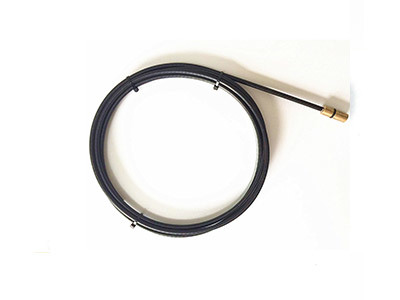
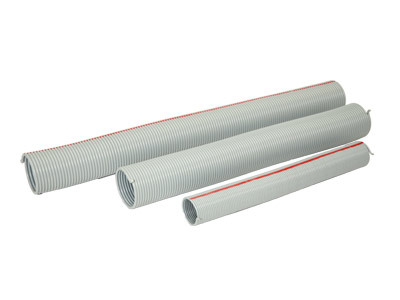
When it comes to MIG welding, the equipment you use plays an essential role in the quality of your welds. One crucial component that often goes overlooked is the liner in a Lincoln MIG welder. The liner serves as a conduit for the welding wire, guiding it from the spool to the welding gun. Understanding the significance of this component can enhance your welding processes and improve your overall results.
The liner in a Lincoln MIG welder is typically made from materials that provide durability and flexibility. Its primary function is to ensure a smooth and uninterrupted wire feed. If the liner is damaged or worn out, it can lead to inconsistent wire feeding, which may result in poor weld quality and increased spatter. This can be particularly problematic in professional settings where precision and reliability are paramount.
There are different types of liners available for Lincoln MIG welders, each designed to accommodate specific wire types and sizes. For example, a teflon liner is often used for aluminum wire due to its low friction properties, while a standard steel liner may be suitable for mild steel wires. When selecting a liner, it's essential to choose one that matches your specific welding requirements to ensure optimal performance.
Besides guiding the wire, the liner also plays a role in minimizing the potential for wire kinks or bends during operation. A well-maintained liner allows for the smooth passage of wire, reducing the likelihood of feed issues that can interrupt the welding process. This is particularly critical when working on complex projects that require consistent performance over extended periods.
Regular maintenance and inspection of the liner in a Lincoln MIG welder are vital to ensure its longevity and effectiveness. Over time, liners can accumulate debris or wear due to the constant friction of the wire. It's recommended to periodically check the condition of the liner and replace it if any signs of wear or damage are found. This simple maintenance step can save time and materials by avoiding interruptions in the welding process.
In summary, the liner in a Lincoln MIG welder is a fundamental component that significantly affects the overall performance of the welding machine. By understanding its role and maintaining its condition, welding professionals can enhance their workflow and ensure high-quality results in their projects. Whether you're welding in a production environment or working on personal projects, paying attention to the liner will contribute to the efficiency and reliability of your welding operations.
When it comes to MIG welding, the equipment you use plays an essential role in the quality of your welds. One crucial component that often goes overlooked is the liner in a Lincoln MIG welder. The liner serves as a conduit for the welding wire, guiding it from the spool to the welding gun. Understanding the significance of this component can enhance your welding processes and improve your overall results.
The liner in a Lincoln MIG welder is typically made from materials that provide durability and flexibility. Its primary function is to ensure a smooth and uninterrupted wire feed. If the liner is damaged or worn out, it can lead to inconsistent wire feeding, which may result in poor weld quality and increased spatter. This can be particularly problematic in professional settings where precision and reliability are paramount.
There are different types of liners available for Lincoln MIG welders, each designed to accommodate specific wire types and sizes. For example, a teflon liner is often used for aluminum wire due to its low friction properties, while a standard steel liner may be suitable for mild steel wires. When selecting a liner, it's essential to choose one that matches your specific welding requirements to ensure optimal performance.
Besides guiding the wire, the liner also plays a role in minimizing the potential for wire kinks or bends during operation. A well-maintained liner allows for the smooth passage of wire, reducing the likelihood of feed issues that can interrupt the welding process. This is particularly critical when working on complex projects that require consistent performance over extended periods.
Regular maintenance and inspection of the liner in a Lincoln MIG welder are vital to ensure its longevity and effectiveness. Over time, liners can accumulate debris or wear due to the constant friction of the wire. It's recommended to periodically check the condition of the liner and replace it if any signs of wear or damage are found. This simple maintenance step can save time and materials by avoiding interruptions in the welding process.
In summary, the liner in a Lincoln MIG welder is a fundamental component that significantly affects the overall performance of the welding machine. By understanding its role and maintaining its condition, welding professionals can enhance their workflow and ensure high-quality results in their projects. Whether you're welding in a production environment or working on personal projects, paying attention to the liner will contribute to the efficiency and reliability of your welding operations.
Related News
Contact Us
E-mail:
WhatsAPP:
Address:
Wen 'an Industrial New Area (small Farm), Langfang, Hebei, China