

Understanding the Role of Liner in a Lincoln MIG Welder
Release Time:
2024-10-27
When it comes to welding, particularly with MIG (Metal Inert Gas) welding, understanding the components of your equipment is crucial for achieving optimal performance. One such component that often goes unnoticed is the liner. In a Lincoln MIG welder, the liner plays a vital role in ensuring smooth wire feed and overall welding efficiency. The liner is an internal component of the welding machine

When it comes to welding, particularly with MIG (Metal Inert Gas) welding, understanding the components of your equipment is crucial for achieving optimal performance. One such component that often goes unnoticed is the liner. In a Lincoln MIG welder, the liner plays a vital role in ensuring smooth wire feed and overall welding efficiency.
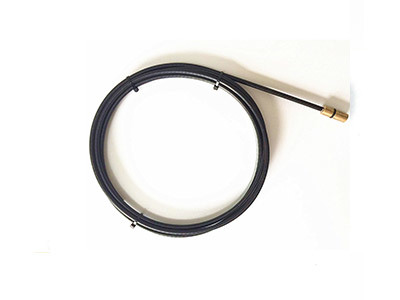
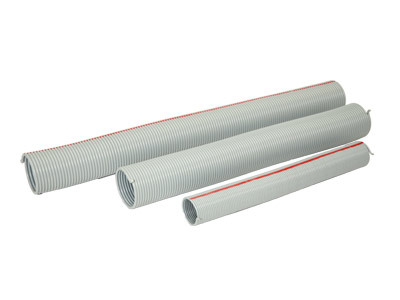
The liner is an internal component of the welding machine that guides the welding wire from its spool through the welding torch. It is typically made from materials such as nylon or teflon, which are designed to reduce friction and facilitate the seamless passage of the wire. A well-functioning liner can significantly improve the consistency of wire feed, which is critical for achieving high-quality welds.
Over time, liners can wear out due to the heat and friction generated during the welding process. A damaged or worn liner can lead to various issues, such as erratic wire feeding, increased resistance, and even wire jams in the welding torch. This can disrupt the welding process, leading to poor weld quality and wasted materials. Regular maintenance and timely replacement of the liner are essential practices for anyone using a Lincoln MIG welder.
When replacing a liner in a Lincoln MIG welder, selecting the correct diameter and type is essential. The liner's size must match the diameter of the welding wire being used. This ensures that the wire will fit snugly and feed properly without any obstructions. Additionally, the type of liner can vary based on the application; for example, a teflon liner may be preferred for aluminum welding due to its lower friction properties.
Another important factor to consider is the length of the liner. The liner should extend from the drive roller area to the end of the welding torch. If the liner is too short or too long, it can lead to feeding issues or improper placement within the torch. Ensuring the correct length will help maintain a smooth and efficient wire feed.
In conclusion, the liner in a Lincoln MIG welder is a small but crucial component that significantly impacts welding performance. Regular inspection and replacement of the liner can help prevent common issues associated with wire feeding, ensuring that welders can achieve high-quality results. By understanding the function and importance of the liner, users can better maintain their equipment and enhance their overall welding experience. Whether you're a seasoned professional or a hobbyist, taking care of this component will lead to more efficient and successful welding projects.
The liner is an internal component of the welding machine that guides the welding wire from its spool through the welding torch. It is typically made from materials such as nylon or teflon, which are designed to reduce friction and facilitate the seamless passage of the wire. A well-functioning liner can significantly improve the consistency of wire feed, which is critical for achieving high-quality welds.
Over time, liners can wear out due to the heat and friction generated during the welding process. A damaged or worn liner can lead to various issues, such as erratic wire feeding, increased resistance, and even wire jams in the welding torch. This can disrupt the welding process, leading to poor weld quality and wasted materials. Regular maintenance and timely replacement of the liner are essential practices for anyone using a Lincoln MIG welder.
When replacing a liner in a Lincoln MIG welder, selecting the correct diameter and type is essential. The liner's size must match the diameter of the welding wire being used. This ensures that the wire will fit snugly and feed properly without any obstructions. Additionally, the type of liner can vary based on the application; for example, a teflon liner may be preferred for aluminum welding due to its lower friction properties.
Another important factor to consider is the length of the liner. The liner should extend from the drive roller area to the end of the welding torch. If the liner is too short or too long, it can lead to feeding issues or improper placement within the torch. Ensuring the correct length will help maintain a smooth and efficient wire feed.
In conclusion, the liner in a Lincoln MIG welder is a small but crucial component that significantly impacts welding performance. Regular inspection and replacement of the liner can help prevent common issues associated with wire feeding, ensuring that welders can achieve high-quality results. By understanding the function and importance of the liner, users can better maintain their equipment and enhance their overall welding experience. Whether you're a seasoned professional or a hobbyist, taking care of this component will lead to more efficient and successful welding projects.
Related News
Contact Us
E-mail:
WhatsAPP:
Address:
Wen 'an Industrial New Area (small Farm), Langfang, Hebei, China