

Mastering the Use of a Liner in a Lincoln MIG Welder: A Comprehensive Guide
Release Time:
2024-10-26
Mastering the Use of a Liner in a Lincoln MIG Welder Table of Contents Understanding Welding Liners: The Backbone of MIG Welding The Importance of a Quality Liner in MIG Welding Types of Liners for Lincoln MIG Welders Choosing the Right Liner for Your Lincoln MIG Welder Installing a Liner: Step-by-Step Guide Maintaining Your Liner for Longevity and Performance Troubleshooting Common

Mastering the Use of a Liner in a Lincoln MIG Welder
Table of Contents
- Understanding Welding Liners: The Backbone of MIG Welding
- The Importance of a Quality Liner in MIG Welding
- Types of Liners for Lincoln MIG Welders
- Choosing the Right Liner for Your Lincoln MIG Welder
- Installing a Liner: Step-by-Step Guide
- Maintaining Your Liner for Longevity and Performance
- Troubleshooting Common Liner Issues
- Conclusion
- FAQs about Lincoln MIG Welder Liners
Understanding Welding Liners: The Backbone of MIG Welding
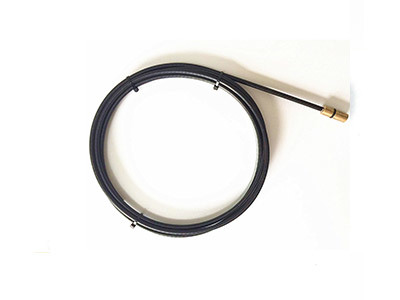
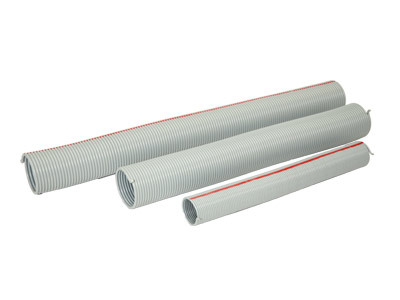
MIG welding, or Metal Inert Gas welding, relies heavily on a process that requires precision and efficiency. At the heart of this process is the **welding liner**, a crucial component that guides the welding wire through the machine. Understanding the role of the liner is essential for every welder, as it directly impacts the quality of the weld and the performance of the welder itself.
The liner allows for smooth feeding of the welding wire, minimizing the chances of jams or inconsistencies. A well-maintained liner ensures that the wire feeds evenly, allowing for controlled and precise welds. Without a proper liner, welders may face issues such as bird-nesting or erratic wire feeding, which can lead to poor weld quality.
The Importance of a Quality Liner in MIG Welding
Using a high-quality liner in your Lincoln MIG welder can make a significant difference in your welding projects. **Quality liners** help in several ways:
1. **Consistent Wire Feed:** A quality liner ensures that the wire feeds consistently, which is critical for achieving uniform welds.
2. **Reduced Wear and Tear:** Investing in a durable liner can prolong the lifespan of your welding equipment by reducing wear on the drive rolls.
3. **Better Weld Appearance:** A well-functioning liner leads to smoother welds with less spatter, improving the overall appearance of the finished product.
4. **Ease of Maintenance:** Quality liners often require less frequent replacement, saving time and money in the long run.
In summary, a quality liner is not merely an accessory; it is a vital component that enhances the effectiveness and reliability of your Lincoln MIG welder.
Types of Liners for Lincoln MIG Welders
When it comes to selecting a liner for your Lincoln MIG welder, it’s essential to understand the various types available. Each type serves a specific purpose and is suited for different applications. Here are the most common types of liners:
1. Plastic Liners
Plastic liners are lightweight and affordable. They are commonly used for lighter welding applications and are suitable for shorter MIG welding torches. However, they may wear out quicker than other types.
2. Steel Liners
Steel liners are more rugged and durable, making them ideal for heavy-duty welding applications. They provide excellent wire feed control and longevity, especially in demanding environments.
3. Teflon Liners
Teflon liners are designed for high-performance welding, particularly with aluminum wires. They offer low friction, which reduces wear on the welding wire and allows for a smoother feed.
4. PTFE Liners
Similar to Teflon, PTFE liners are excellent for specific applications that involve corrosive materials. They also exhibit low-friction properties, making them suitable for both aluminum and steel wires.
Choosing the right type of liner for your Lincoln MIG welder ensures optimal performance and efficiency in your welding tasks.
Choosing the Right Liner for Your Lincoln MIG Welder
Selecting the appropriate liner for your Lincoln MIG welder involves assessing several factors:
1. Welding Material
The type of material you will be welding plays a significant role in your liner choice. For instance, Teflon liners are best for aluminum, while steel liners are more suited for welding steel.
2. Wire Size
The diameter of the welding wire you intend to use should match the liner’s specifications. Common wire sizes are .030”, .035”, and .045”, and selecting a liner that accommodates these sizes is crucial.
3. Length of the Liner
Ensure that the length of the liner matches the length of your welding torch. A liner that is too short may cause feeding issues, while an excessively long liner can lead to unnecessary bends and kinks.
4. Environmental Conditions
Consider the working environment. If you are welding in a harsh environment, a more durable steel liner may be necessary. For lighter jobs, a plastic liner may suffice.
By carefully assessing these factors, you can choose a liner that will optimize the performance of your Lincoln MIG welder.
Installing a Liner: Step-by-Step Guide
Installing a liner in your Lincoln MIG welder is a straightforward process. Follow these steps to ensure proper installation:
Step 1: Gather Your Tools
Before you begin, gather the necessary tools, including a screwdriver, pliers, and a new liner compatible with your welder.
Step 2: Remove the Old Liner
Start by disconnecting the power supply to your welder. Then, remove the contact tip and nozzle from the welding gun to access the liner. Carefully pull out the old liner from the gun and the drive roll assembly.
Step 3: Prepare the New Liner
Take your new liner and measure it against the old liner to ensure proper length. Cut the new liner to match the length of the old one.
Step 4: Install the New Liner
Insert the new liner into the welding gun, ensuring it fits snugly without any bends or kinks. Feed the liner all the way through to the drive roll assembly.
Step 5: Reassemble the Gun
Once the new liner is in place, reattach the contact tip and nozzle. Ensure everything is securely fastened and there are no obstructions.
Step 6: Test the Setup
Reconnect the power supply and conduct a test run to confirm the wire feeds smoothly. Adjust the tension on the drive rolls if necessary.
Proper installation of the liner will ensure the efficiency and effectiveness of your welding processes.
Maintaining Your Liner for Longevity and Performance
Routine maintenance of your welding liner can significantly prolong its life and enhance the performance of your Lincoln MIG welder. Here are some maintenance tips:
1. Regular Inspection
Frequently inspect the liner for signs of wear and tear, such as cracks, kinks, or blockages. Early detection can prevent further damage.
2. Clean the Liner
Periodically clean the liner to remove any dirt or debris that may obstruct the wire feed. Use a soft brush or compressed air to blow out any buildup.
3. Replace Worn Liners Promptly
If you notice any significant wear, replace the liner immediately. A worn liner can lead to poor wire feeding and compromised weld quality.
4. Avoid Overheating
Excessive heat can damage the liner. Ensure that your welder is set to the appropriate settings for the material you are welding, and allow it to cool down when not in use.
By following these maintenance practices, you can ensure that your liner operates efficiently and lasts longer.
Troubleshooting Common Liner Issues
Even with proper care, you may encounter issues with your welding liner. Here are some common problems and their solutions:
1. Wire Jamming
If the wire is jamming, check for kinks in the liner or obstructions. Ensure the liner is correctly installed and that there is no debris blocking the wire feed.
2. Inconsistent Wire Feed
Inconsistent feeding can be caused by a dirty or worn liner. Clean the liner thoroughly, and if the problem persists, consider replacing it.
3. Excessive Spatter
If you notice excessive spatter during welding, it may indicate that the liner is not feeding the wire correctly. Verify that the liner is compatible with the wire size you are using.
4. Poor Weld Quality
If the weld quality is poor, it may be due to a malfunctioning liner or incorrect settings on the welder. Inspect the liner and consult the welder’s manual for proper settings.
By understanding these troubleshooting techniques, you can quickly address any issues that may arise, ensuring smooth operation of your Lincoln MIG welder.
Conclusion
Mastering the use of a liner in a Lincoln MIG welder is essential for achieving high-quality welds and efficient operation. By understanding the various types of liners, choosing the right one, and maintaining it properly, welders can significantly improve their welding experience. From installation to troubleshooting common issues, we have covered all the necessary steps to ensure your liner operates at its best. Embrace these practices, and you will notice a marked improvement in your welding projects, leading to more successful outcomes.
FAQs about Lincoln MIG Welder Liners
1. How often should I replace the liner in my Lincoln MIG welder?
Typically, you should inspect your liner every few months, and replace it if you notice wear or if it hampers wire feeding.
2. Can I use a Teflon liner for welding steel?
Teflon liners are primarily designed for aluminum welding. For steel, it is advisable to use a steel or plastic liner.
3. What is the best way to clean a welding liner?
Use a soft brush or compressed air to remove any debris. Avoid using harsh chemicals that could damage the liner.
4. Is it necessary to use a specific liner for different wire sizes?
Yes, it is crucial to use a liner that matches the size of your welding wire for optimal performance.
5. What should I do if the wire keeps bird-nesting in the welder?
Check the liner for kinks or blockages and ensure that the tension on the drive rolls is set correctly to prevent bird-nesting.
By following the guidelines provided in this article, you can enhance your welding skills and ensure that your Lincoln MIG welder functions at peak performance.
Related News
Contact Us
E-mail:
WhatsAPP:
Address:
Wen 'an Industrial New Area (small Farm), Langfang, Hebei, China