

Understanding the Role of Nearside Rear Coil Springs in Machinery
Release Time:
2024-10-25
Coil springs play a fundamental role in various mechanical systems, impacting both functionality and performance. Among these, the nearside rear coil spring is pivotal, particularly in automotive applications but also relevant in other machinery contexts. Understanding its construction, purpose, and maintenance can significantly enhance the efficiency and longevity of your equipment. The nearside

Coil springs play a fundamental role in various mechanical systems, impacting both functionality and performance. Among these, the nearside rear coil spring is pivotal, particularly in automotive applications but also relevant in other machinery contexts. Understanding its construction, purpose, and maintenance can significantly enhance the efficiency and longevity of your equipment.
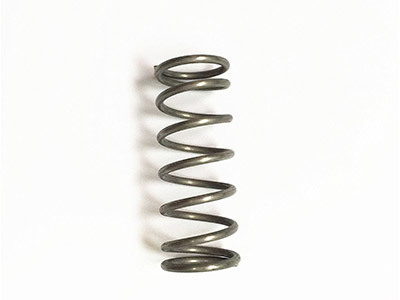
The nearside rear coil spring is typically positioned on the side of the vehicle or machinery that is closest to the curb or the operator’s side. Its primary function is to absorb shock and provide stability. This is crucial for maintaining the structural integrity of the vehicle or machinery, especially under varying loads and operating conditions. The coil spring compresses and expands in response to forces acting on it, effectively dampening vibrations and distributing weight evenly across the system.
Design considerations for nearside rear coil springs are essential. The material used, usually high-carbon steel or other alloys, determines the spring's strength and durability. The coil's diameter, wire thickness, and number of active coils also influence performance characteristics such as load capacity and flexibility. Engineers must carefully analyze these parameters to design springs that not only meet load requirements but also offer a balance between comfort and handling.
In addition to design and materials, regular maintenance is crucial to the longevity of nearside rear coil springs. Over time, these springs may experience fatigue, leading to a decrease in performance. Common signs of wear include uneven tire wear, visible sagging, or a noticeable decrease in ride height. Regular inspections can help identify these issues early on, allowing for timely replacements or repairs.
When it comes to installation or replacement, precision is vital. Improper installation can lead to misalignment, causing increased wear and potential failure. Therefore, it is advisable to follow manufacturer specifications and guidelines during the process.
In summary, the nearside rear coil spring is a critical component in many mechanical systems, especially in vehicles. Its role in shock absorption and load distribution cannot be understated. By understanding its design, function, and maintenance, professionals in the manufacturing and mechanical fields can ensure that their machinery operates smoothly and efficiently, minimizing downtime and enhancing productivity.
Incorporating knowledge about nearside rear coil springs into your operational practices can lead to better performance and longer-lasting machinery. Always consult with experts and utilize quality materials to achieve the best results in your applications.
The nearside rear coil spring is typically positioned on the side of the vehicle or machinery that is closest to the curb or the operator’s side. Its primary function is to absorb shock and provide stability. This is crucial for maintaining the structural integrity of the vehicle or machinery, especially under varying loads and operating conditions. The coil spring compresses and expands in response to forces acting on it, effectively dampening vibrations and distributing weight evenly across the system.
Design considerations for nearside rear coil springs are essential. The material used, usually high-carbon steel or other alloys, determines the spring's strength and durability. The coil's diameter, wire thickness, and number of active coils also influence performance characteristics such as load capacity and flexibility. Engineers must carefully analyze these parameters to design springs that not only meet load requirements but also offer a balance between comfort and handling.
In addition to design and materials, regular maintenance is crucial to the longevity of nearside rear coil springs. Over time, these springs may experience fatigue, leading to a decrease in performance. Common signs of wear include uneven tire wear, visible sagging, or a noticeable decrease in ride height. Regular inspections can help identify these issues early on, allowing for timely replacements or repairs.
When it comes to installation or replacement, precision is vital. Improper installation can lead to misalignment, causing increased wear and potential failure. Therefore, it is advisable to follow manufacturer specifications and guidelines during the process.
In summary, the nearside rear coil spring is a critical component in many mechanical systems, especially in vehicles. Its role in shock absorption and load distribution cannot be understated. By understanding its design, function, and maintenance, professionals in the manufacturing and mechanical fields can ensure that their machinery operates smoothly and efficiently, minimizing downtime and enhancing productivity.
Incorporating knowledge about nearside rear coil springs into your operational practices can lead to better performance and longer-lasting machinery. Always consult with experts and utilize quality materials to achieve the best results in your applications.
Related News
Contact Us
E-mail:
WhatsAPP:
Address:
Wen 'an Industrial New Area (small Farm), Langfang, Hebei, China