

How to Calculate the Right Specifications for Nearside Rear Coil Springs: A Comprehensive Guide
Release Time:
2024-10-24
How to Calculate the Right Specifications for Nearside Rear Coil Springs Table of Contents 1. Introduction 2. Understanding Coil Springs 3. Importance of Accurate Specifications 4. Factors Affecting Coil Spring Specifications 5. Measuring and Calculating Specifications 6. Material Selection for Coil Springs 7. Installation Tips for Nearside Rear Coil Springs 8. Com

How to Calculate the Right Specifications for Nearside Rear Coil Springs
Table of Contents
- 1. Introduction
- 2. Understanding Coil Springs
- 3. Importance of Accurate Specifications
- 4. Factors Affecting Coil Spring Specifications
- 5. Measuring and Calculating Specifications
- 6. Material Selection for Coil Springs
- 7. Installation Tips for Nearside Rear Coil Springs
- 8. Common Mistakes to Avoid
- 9. Conclusion
- 10. FAQs
1. Introduction
When it comes to automotive performance and safety, every component plays a critical role. Among these, the **nearside rear coil springs** are essential for ensuring stability and comfort in your vehicle. Calculating the right specifications for these springs is not just a task; it's a necessity for those who wish to maintain their vehicles effectively.
In this guide, we will explore the steps to calculate the correct specifications for nearside rear coil springs, providing you with a nuanced understanding of the process. Our objective is to offer you comprehensive and actionable insights that ensure your coil springs perform optimally.
2. Understanding Coil Springs
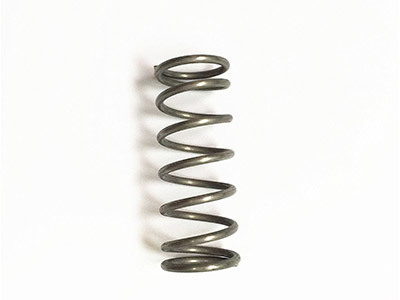
Coil springs are mechanical devices designed to store energy and absorb shock. They play a pivotal role in supporting the weight of the vehicle, maintaining ride height, and providing a smooth driving experience. **Nearsides** refer to the side of the vehicle closest to the curb, and understanding how to calculate specifications for these springs is crucial for safety and performance.
How Coil Springs Work
Coil springs operate based on the principles of elasticity. When force is applied, they compress or extend, returning to their original shape once the force is removed. Their ability to absorb and dissipate energy makes them integral to a vehicle's suspension system.
3. Importance of Accurate Specifications
Accurate specifications are vital for several reasons:
- **Safety**: Incorrect specifications can lead to suspension failure, posing a safety risk to the driver and passengers.
- **Performance**: The right coil springs enhance vehicle handling and stability, contributing to overall performance.
- **Comfort**: Properly specified springs absorb shock effectively, providing a smoother ride.
4. Factors Affecting Coil Spring Specifications
Several factors influence the specifications of nearside rear coil springs. Consider the following:
Vehicle Weight
Understanding your vehicle's weight is crucial. The heavier the vehicle, the stiffer the coil springs need to be to support the load effectively.
Driving Conditions
Driving conditions also affect the specifications. Off-road vehicles require different spring characteristics compared to standard vehicles due to varying weight distribution and terrain challenges.
Load Capacity
It’s essential to consider the load that the springs will carry, including passenger weight and cargo. The springs must be designed to handle this load without sagging.
5. Measuring and Calculating Specifications
The process of measuring and calculating the proper specifications for nearside rear coil springs involves several steps:
Step 1: Measure the Existing Spring
Begin by measuring the diameter, free height, and wire thickness of the existing coil spring. These measurements are fundamental in determining the specifications for a new spring.
Step 2: Calculate the Spring Rate
The spring rate is a critical measurement that defines how much weight a spring can support for a given amount of compression. It is calculated using the formula:
**Spring Rate (k) = (G * d^4) / (8 * D^3 * n)**
Where:
- **G** = Modulus of rigidity (a material property)
- **d** = Wire diameter
- **D** = Mean diameter of the spring
- **n** = Number of active coils
This formula allows you to derive the spring rate necessary for your application.
Step 3: Determine Load Requirements
To determine the load requirements, assess the vehicle's weight distribution and consider any additional loads that may be present during regular operation. This will inform the stiffness and sizing of the coil spring.
Step 4: Select the Appropriate Specifications
Based on the measurements and calculations, select the appropriate specifications for your nearside rear coil springs. Consider factors such as performance, comfort, and safety.
6. Material Selection for Coil Springs
Choosing the right material for coil springs is essential for durability and performance. Common materials include:
High Carbon Steel
This is the most commonly used material for coil springs due to its excellent tensile strength and ability to withstand fatigue.
Alloy Steels
Alloy steels offer enhanced strength and flexibility, making them suitable for high-performance applications.
Stainless Steel
While more expensive, stainless steel is resistant to corrosion and is ideal for applications in harsh environments.
7. Installation Tips for Nearside Rear Coil Springs
Proper installation of nearside rear coil springs is critical for their performance and longevity. Here are some tips:
Use the Right Tools
Ensure you have the necessary tools, including a spring compressor, to safely install or remove coil springs.
Follow Manufacturer Guidelines
Always refer to the manufacturer's specifications for installation procedures, as they provide essential information specific to the spring model.
Check for Proper Alignment
After installation, inspect the alignment of the coil springs to ensure they are correctly positioned to avoid uneven wear and performance issues.
8. Common Mistakes to Avoid
When calculating and installing nearside rear coil springs, it's easy to make mistakes. Here are common pitfalls to avoid:
Ignoring Manufacturer Specifications
Always adhere to manufacturer specifications when selecting and installing springs to ensure compatibility.
Neglecting to Measure Accurately
Inaccurate measurements can lead to incorrect spring rates and load capacities. Double-check all measurements to ensure accuracy.
Assuming All Springs are the Same
Not all coil springs are created equal. Be cautious not to substitute springs without verifying their specifications and compatibility.
9. Conclusion
Calculating the right specifications for nearside rear coil springs is a vital process that requires precision and attention to detail. By understanding the factors involved, accurately measuring existing components, and selecting appropriate materials, you can ensure your vehicle's suspension system performs optimally.
In summary, whether you're an automotive professional or a DIY enthusiast, following these guidelines will lead you to make informed decisions regarding coil springs for your vehicle's needs. A well-calibrated suspension system not only enhances performance but also ensures safety and comfort on every journey.
10. FAQs
What is the spring rate, and why is it important?
The spring rate is a measure of how much weight a spring can support for a given amount of compression. It is crucial for ensuring that the vehicle maintains its intended ride height and comfort.
How do I know if my coil springs need replacement?
Signs of worn-out coil springs include a sagging rear end, uneven tire wear, and a bumpy ride. If you notice any of these issues, it's time to consider replacement.
Can I replace coil springs myself?
While it's possible to replace coil springs yourself, it requires specific tools and knowledge. If you are unsure, it may be best to consult a professional.
What materials are best for coil springs?
High carbon steel is commonly used for its strength, while alloy steels offer enhanced performance. Stainless steel is recommended for applications in corrosive environments.
How often should coil springs be inspected?
It's advisable to inspect coil springs at least once a year or during routine vehicle maintenance to identify any signs of wear or damage early on.
By following the insights provided in this article, you will be well-equipped to calculate the right specifications for nearside rear coil springs, ensuring safety and performance in your vehicle.
Related News
Contact Us
E-mail:
WhatsAPP:
Address:
Wen 'an Industrial New Area (small Farm), Langfang, Hebei, China