

Understanding Clothespin Torsion Springs: Function, Design, and Applications
Release Time:
2024-10-17
Clothespin torsion springs are crucial mechanical elements widely used in various applications, particularly in the design and functionality of clothespins. Unlike conventional springs, torsion springs are specifically engineered to store and release rotational energy. This property makes them ideal for applications where a controlled rotational force is necessary. The design of a clothespin torsi

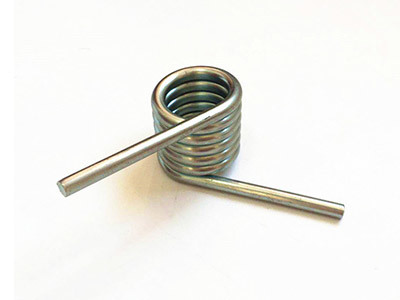
Clothespin torsion springs are crucial mechanical elements widely used in various applications, particularly in the design and functionality of clothespins. Unlike conventional springs, torsion springs are specifically engineered to store and release rotational energy. This property makes them ideal for applications where a controlled rotational force is necessary.
The design of a clothespin torsion spring typically involves a coiled wire that is twisted around a central axis. When the spring is twisted, it stores energy, which can be released to perform work. In the case of a clothespin, the torsion spring allows the two arms of the clothespin to open and close, providing the necessary grip to hold items securely. The unique geometry of the torsion spring enables it to exert a consistent force, ensuring that the clothespin remains functional over repeated uses.
Another vital aspect of clothespin torsion springs is their material selection. High-quality springs are often made from carbon steel or stainless steel, providing excellent durability and resistance to corrosion. The choice of material can significantly impact the performance and lifespan of the spring, making it an important consideration in manufacturing processes.
In terms of manufacturing, precision is paramount. The production of clothespin torsion springs involves advanced techniques such as computer numerical control (CNC) machining and automated coiling processes. These methods ensure that each spring is produced to exact specifications, allowing for consistency in performance and functionality.
Additionally, clothespin torsion springs can be customized to meet specific requirements, such as different sizes, wire diameters, and coil configurations. This customization is essential for various applications beyond clothespins, such as in office supplies, toys, and even some automotive components. Understanding the specific needs of a project allows manufacturers to design torsion springs that optimize performance, reliability, and efficiency.
Moreover, the usage of clothespin torsion springs extends to many everyday items. For instance, in the realm of household appliances, these springs play a vital role in mechanisms that require a reliable return force. Their ability to maintain tension while enduring repeated cycles makes them indispensable in various applications.
In summary, clothespin torsion springs are more than just simple components; they embody complex mechanical principles that contribute significantly to the functionality of numerous products. By understanding their design, material considerations, and manufacturing processes, one can appreciate the meticulous engineering behind these essential elements. Whether for industrial applications or everyday household items, clothespin torsion springs are a perfect example of how simple mechanical devices can have a profound impact on our daily lives.
The design of a clothespin torsion spring typically involves a coiled wire that is twisted around a central axis. When the spring is twisted, it stores energy, which can be released to perform work. In the case of a clothespin, the torsion spring allows the two arms of the clothespin to open and close, providing the necessary grip to hold items securely. The unique geometry of the torsion spring enables it to exert a consistent force, ensuring that the clothespin remains functional over repeated uses.
Another vital aspect of clothespin torsion springs is their material selection. High-quality springs are often made from carbon steel or stainless steel, providing excellent durability and resistance to corrosion. The choice of material can significantly impact the performance and lifespan of the spring, making it an important consideration in manufacturing processes.
In terms of manufacturing, precision is paramount. The production of clothespin torsion springs involves advanced techniques such as computer numerical control (CNC) machining and automated coiling processes. These methods ensure that each spring is produced to exact specifications, allowing for consistency in performance and functionality.
Additionally, clothespin torsion springs can be customized to meet specific requirements, such as different sizes, wire diameters, and coil configurations. This customization is essential for various applications beyond clothespins, such as in office supplies, toys, and even some automotive components. Understanding the specific needs of a project allows manufacturers to design torsion springs that optimize performance, reliability, and efficiency.
Moreover, the usage of clothespin torsion springs extends to many everyday items. For instance, in the realm of household appliances, these springs play a vital role in mechanisms that require a reliable return force. Their ability to maintain tension while enduring repeated cycles makes them indispensable in various applications.
In summary, clothespin torsion springs are more than just simple components; they embody complex mechanical principles that contribute significantly to the functionality of numerous products. By understanding their design, material considerations, and manufacturing processes, one can appreciate the meticulous engineering behind these essential elements. Whether for industrial applications or everyday household items, clothespin torsion springs are a perfect example of how simple mechanical devices can have a profound impact on our daily lives.
Related News
Contact Us
E-mail:
WhatsAPP:
Address:
Wen 'an Industrial New Area (small Farm), Langfang, Hebei, China