

Understanding the Importance of Nearside Front Coil Springs in Vehicle Performance
Release Time:
2024-10-18
Understanding the Importance of Nearside Front Coil Springs in Vehicle Performance Table of Contents 1. Introduction to Coil Springs and Vehicle Dynamics 2. The Functionality of Nearside Front Coil Springs 3. Why Nearside Front Coil Springs Matter 4. Factors Affecting Coil Spring Performance 5. Maintenance and Inspection of Coil Springs 6. Symptoms of Worn or Damaged Coi

Understanding the Importance of Nearside Front Coil Springs in Vehicle Performance
Table of Contents
- 1. Introduction to Coil Springs and Vehicle Dynamics
- 2. The Functionality of Nearside Front Coil Springs
- 3. Why Nearside Front Coil Springs Matter
- 4. Factors Affecting Coil Spring Performance
- 5. Maintenance and Inspection of Coil Springs
- 6. Symptoms of Worn or Damaged Coil Springs
- 7. When to Replace Nearside Front Coil Springs
- 8. Conclusion: Enhancing Vehicle Performance with Quality Coil Springs
- 9. FAQs about Nearside Front Coil Springs
1. Introduction to Coil Springs and Vehicle Dynamics
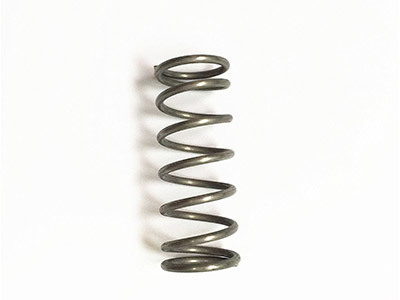
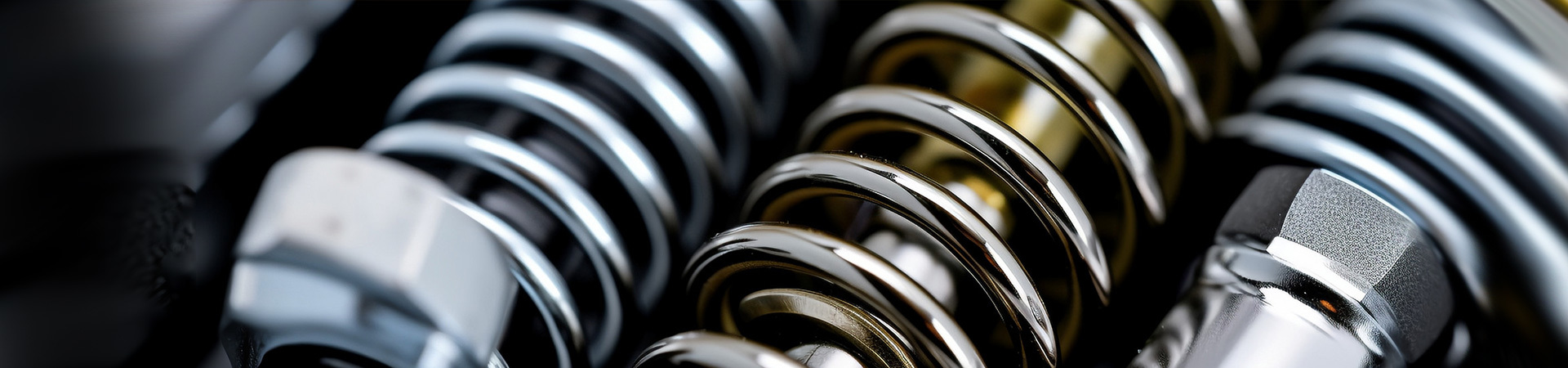
Coil springs are crucial components of a vehicle's suspension system, providing support, stability, and control. Located at the front of the vehicle, the nearside coil spring plays a pivotal role in maintaining balance and enhancing overall driving comfort. Understanding their function and importance allows vehicle owners and enthusiasts to appreciate the intricacies of automotive performance.
2. The Functionality of Nearside Front Coil Springs
Nearside front coil springs work by compressing and expanding, absorbing shocks from the road while supporting the vehicle's weight. This functionality directly impacts the vehicle's handling characteristics, including comfort, stability, and safety. When a vehicle encounters bumps or potholes, the coil springs ensure that the tires maintain contact with the road, providing traction and preventing excessive bouncing.
2.1. How Coil Springs Work
Coil springs operate on the principle of elasticity. When force is applied, they compress and store energy, which is released when the force is removed. This action allows them to absorb impact, reducing the jarring effects felt by passengers and preventing damage to other vehicle components.
2.1.1. Types of Coil Springs
Different types of coil springs serve varying purposes within a vehicle's suspension system. Nearside front coil springs are typically designed to withstand higher loads and offer a balance between comfort and performance. Understanding these types aids in selecting the right spring for specific vehicles and driving conditions.
3. Why Nearside Front Coil Springs Matter
The importance of nearside front coil springs cannot be overstated. They contribute significantly to several critical aspects of vehicle performance:
3.1. Enhancing Ride Quality
A well-functioning nearside front coil spring minimizes vibrations and absorbs shocks, leading to a smoother ride. Passengers experience less discomfort during travel, making long drives more pleasant.
3.2. Improving Handling and Stability
These coil springs help maintain the vehicle's center of gravity, improving handling during turns and sudden maneuvers. Properly functioning springs ensure better traction, resulting in safer driving experiences.
3.3. Safety Features
The nearside front coil spring is critical for maintaining the vehicle's structural integrity. Worn or damaged springs can lead to instability, increasing the risk of accidents. Ensuring that these components are in optimal condition is vital for safety.
4. Factors Affecting Coil Spring Performance
Several factors can influence the performance and longevity of nearside front coil springs. Understanding these can help vehicle owners make informed decisions regarding maintenance and replacement.
4.1. Load Capacity
The load capacity of a coil spring is a critical factor that determines its performance. Overloading a vehicle can cause the springs to wear prematurely, leading to reduced performance and safety.
4.2. Road Conditions
Driving frequently on rough or unpaved roads can exert additional stress on the coil springs. Regular inspections and timely maintenance can help mitigate potential damage.
4.3. Material Quality
The material from which coil springs are made impacts their durability and performance. High-quality steel or composite materials offer better resilience and longevity compared to lower-quality alternatives.
5. Maintenance and Inspection of Coil Springs
Regular maintenance and inspection of nearside front coil springs are essential to ensure optimal performance. Here are some best practices:
5.1. Visual Inspections
Vehicle owners should regularly inspect coil springs for signs of wear, including rust, cracks, or deformations. Early detection of issues can prevent more severe problems down the line.
5.2. Professional Inspections
Having a qualified mechanic perform a thorough inspection of the suspension system, including coil springs, is recommended at least once a year. This ensures that any potential issues are addressed promptly.
5.3. Cleaning and Rust Prevention
Cleaning the coil springs regularly and applying rust prevention measures can significantly extend their lifespan. Keeping the components free from debris and corrosion is crucial for longevity.
6. Symptoms of Worn or Damaged Coil Springs
Recognizing the symptoms of worn or damaged nearside front coil springs is vital for timely intervention. Here are some common indicators:
6.1. Excessive Bouncing
If the vehicle bounces excessively after hitting bumps, it may indicate that the coil springs are no longer providing adequate support.
6.2. Uneven Tire Wear
Worn coil springs can lead to uneven weight distribution, causing tires to wear unevenly. This can result in premature tire replacements and decreased vehicle performance.
6.3. Poor Handling
If the vehicle feels unstable during turns or when changing lanes, it may be a sign of compromised coil springs. Addressing this issue promptly is crucial for safety.
7. When to Replace Nearside Front Coil Springs
Understanding when to replace nearside front coil springs is key to maintaining vehicle performance and safety. Factors influencing replacement decisions include:
7.1. Age of the Springs
Most coil springs have a lifespan of around 10-15 years, depending on usage and driving conditions. Regular evaluations can help determine if replacement is necessary.
7.2. Visible Damage
If visual inspections reveal significant damage, such as cracks or severe rust, it is crucial to replace the springs immediately to ensure safe vehicle operation.
7.3. Changes in Ride Quality
A noticeable decline in ride quality or handling can indicate that it’s time for a replacement. Ignoring these signs can lead to more severe issues in the suspension system.
8. Conclusion: Enhancing Vehicle Performance with Quality Coil Springs
In summary, the nearside front coil springs are indispensable components of a vehicle's suspension system, playing a critical role in ride quality, handling, and safety. Understanding their importance and maintaining them appropriately can significantly enhance overall vehicle performance. Regular inspections, timely replacements, and quality materials are essential for ensuring that these vital components continue to function optimally.
9. FAQs about Nearside Front Coil Springs
1. What are coil springs made of?
Coil springs are typically made from high-quality steel or composite materials designed to withstand constant compression and expansion.
2. How often should I inspect my coil springs?
It is recommended to inspect coil springs at least once a year or more frequently if you drive on rough terrain.
3. Can I replace coil springs myself?
While experienced DIY mechanics may replace coil springs, it is generally best to consult a professional, as improper installation can lead to safety issues.
4. What happens if I drive with damaged coil springs?
Driving with damaged coil springs can lead to poor handling, increased wear on tires, and a higher risk of accidents.
5. How can I extend the life of my coil springs?
Regular maintenance, including visual inspections, cleaning, and addressing issues promptly, can significantly extend the lifespan of coil springs.
Related News
Contact Us
E-mail:
WhatsAPP:
Address:
Wen 'an Industrial New Area (small Farm), Langfang, Hebei, China