

How Clothespin Torsion Springs Enhance Mechanical Efficiency
Release Time:
2024-10-16
How Clothespin Torsion Springs Enhance Mechanical Efficiency Introduction to Torsion Springs Torsion springs are mechanical devices designed to store and release rotational energy. They work on the principle of twisting; when a force is applied, the spring twists and stores potential energy, which is released when the force is removed. Among various types of torsion springs, **clothespin torsion s

How Clothespin Torsion Springs Enhance Mechanical Efficiency
Introduction to Torsion Springs
Torsion springs are mechanical devices designed to store and release rotational energy. They work on the principle of twisting; when a force is applied, the spring twists and stores potential energy, which is released when the force is removed. Among various types of torsion springs, **clothespin torsion springs** are unique in their design and application, particularly in enhancing mechanical efficiency across numerous industries.
The Importance of Mechanical Efficiency
Mechanical efficiency refers to the ratio of useful work output to the total energy input, a critical factor in minimizing energy consumption and operational costs. In today’s competitive market, manufacturers are continually seeking ways to improve their machinery's performance. Here, clothespin torsion springs play a pivotal role by providing effective energy storage and transmission solutions.
Understanding Clothespin Torsion Springs
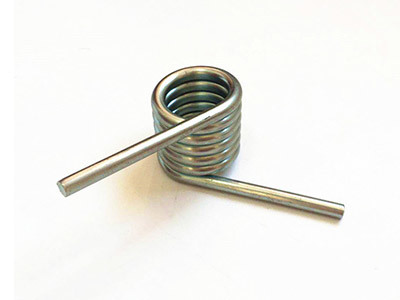
Clothespin torsion springs are characterized by their coiled design and are commonly used in clothespins, but their applications extend far beyond this everyday item. These springs consist of a wire coiling around a central axis, allowing them to exert a rotational force. The unique design provides several benefits that contribute to mechanical efficiency, making them invaluable in various machinery.
Types of Torsion Springs
While clothespin torsion springs are well-known, it's essential to understand that torsion springs, in general, come in various types based on their manufacturing processes and applications:
1. **Closed Torsion Springs**: Featuring tightly wound coils, these springs offer a compact design suitable for applications requiring limited space.
2. **Open Torsion Springs**: These springs feature a more extended coil, allowing for greater flexibility in applications requiring more force or rotation.
3. **Double Torsion Springs**: Designed with two coils, double torsion springs provide higher torque and durability, commonly used in more demanding machinery.
Understanding these types helps in selecting the right torsion spring for specific mechanical applications.
Benefits of Clothespin Torsion Springs in Mechanical Efficiency
Clothespin torsion springs offer several advantages that directly contribute to enhancing mechanical efficiency. Here are some key benefits:
1. Effective Energy Storage
Clothespin torsion springs excel at storing energy efficiently. When a force is applied, they twist and store potential energy, which can then be released smoothly when needed. This efficient energy transfer minimizes energy loss, crucial for systems relying on repeated motion.
2. Reduced Wear and Tear
The design of clothespin torsion springs allows for consistent performance with minimal friction. Unlike other spring designs, their unique twist provides a balanced load distribution, resulting in reduced wear and tear on mechanical components. This longevity translates to less frequent repairs and replacements, further enhancing efficiency.
3. Lightweight and Compact Design
Clothespin torsion springs are typically made from lightweight materials, making them easy to incorporate into a wide range of applications without adding unnecessary bulk. Their compact design allows for integration into tight spaces, optimizing the machinery's overall design and functionality.
4. Versatility Across Industries
The versatility of clothespin torsion springs allows them to be used in various industries, including:
- **Automotive**: In car seats and door mechanisms, torsion springs provide smooth operation and reliability.
- **Electronics**: Used in devices requiring precise movement, such as switches and control systems, enhancing functionality.
- **Manufacturing**: In assembly lines, they help in automated processes, improving workflow and efficiency.
This adaptability makes them an attractive option for manufacturers looking to improve their machinery's performance.
5. Cost-Effectiveness
Incorporating clothespin torsion springs can lead to significant cost savings. Their durability and reduced maintenance requirements mean lower operational costs over time. Additionally, their ability to improve the efficiency of machinery can lead to increased productivity, offering further financial benefits to businesses.
Applications of Clothespin Torsion Springs
Clothespin torsion springs find applications in numerous areas, each benefiting from the springs’ inherent properties. Some notable applications include:
1. Household Items
Beyond their iconic use in clothespins, these springs are utilized in various household items such as retractable dog leashes, curtain rollers, and even toys. Their ability to provide consistent tension enhances the usability and longevity of these products.
2. Industrial Machinery
In industrial settings, clothespin torsion springs are integral to machines that require smooth motion and reliability. They are often used in conveyor systems, packaging machines, and automated assembly lines, where efficiency is paramount.
3. Automotive Components
In the automotive industry, clothespin torsion springs are employed in mechanisms such as hood latches and seat reclining systems. Their lightweight yet sturdy design ensures optimal performance and safety, contributing to overall vehicle efficiency.
4. Aerospace Applications
In aerospace, precision is critical. Clothespin torsion springs are used in control surfaces and landing gear mechanisms, providing reliable and efficient actuation while reducing the overall weight of the aircraft.
Design Considerations for Clothespin Torsion Springs
When designing clothespin torsion springs for specific applications, several factors must be taken into account to ensure optimal performance:
1. Material Selection
Choosing the right material is essential for the performance of torsion springs. Options include stainless steel, music wire, and oil-tempered steel, each offering different properties such as corrosion resistance and strength.
2. Wire Diameter
The diameter of the wire used in the spring affects its strength and flexibility. A thicker wire provides more durability but could limit the spring's ability to twist, while a thinner wire allows for easier twisting but may compromise strength.
3. Coil Diameter and Length
The diameter and length of the coils impact the spring’s torque and energy storage capabilities. Proper calculations are necessary to ensure that the spring meets the specific requirements of its intended application.
Maintenance of Clothespin Torsion Springs
While clothespin torsion springs are generally low-maintenance, proper care can extend their lifespan and ensure optimal performance:
1. Regular Inspections
Routine checks for wear, corrosion, and misalignment can help identify potential issues before they become significant problems.
2. Lubrication
While not always necessary, applying a light lubricant can help reduce friction in moving parts where torsion springs are integrated, leading to smoother operation.
3. Environmental Considerations
Avoid exposing torsion springs to extreme temperatures, moisture, or corrosive substances, as these conditions can adversely affect their performance and longevity.
Conclusion
Clothespin torsion springs play a critical role in enhancing mechanical efficiency across various applications. Their ability to store and release energy effectively, combined with their lightweight design and versatility, makes them indispensable in the manufacturing industry. As we continue to seek ways to improve machinery performance, the importance of these springs cannot be overstated. By understanding their benefits and applications, manufacturers can leverage clothespin torsion springs to optimize their operations, reduce costs, and increase productivity.
Related News
Contact Us
E-mail:
WhatsAPP:
Address:
Wen 'an Industrial New Area (small Farm), Langfang, Hebei, China