

Understanding Clothespin Torsion Springs: Key Insights for Manufacturers
Release Time:
2024-10-15
Clothespin torsion springs are specialized components commonly used in various applications, with clothespins being one of the most recognizable examples. These springs are designed to store and release rotational energy, making them integral to the functionality of numerous devices and mechanisms. Understanding the intricacies of clothespin torsion springs is vital for manufacturers looking to op

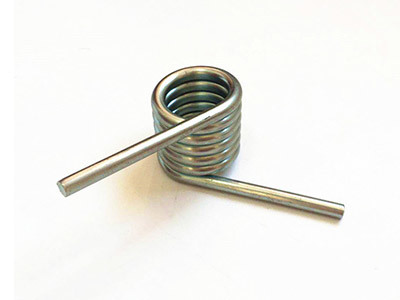
Clothespin torsion springs are specialized components commonly used in various applications, with clothespins being one of the most recognizable examples. These springs are designed to store and release rotational energy, making them integral to the functionality of numerous devices and mechanisms. Understanding the intricacies of clothespin torsion springs is vital for manufacturers looking to optimize their production processes and improve product reliability.
A torsion spring operates by twisting its ends, allowing it to exert a force when unwound. In the case of a clothespin, the torsion spring allows the arms of the clothespin to open and close securely around fabric items. The design of these springs must ensure sufficient strength and durability to perform effectively over repeated use, which is why careful attention to material choice and spring dimensions is essential in the manufacturing process.
Material selection plays a significant role in the performance of clothespin torsion springs. Commonly used materials include stainless steel and music wire due to their high tensile strength and excellent corrosion resistance. These materials ensure that the springs can withstand the repetitive stress and environmental conditions they may encounter in practical applications. Additionally, the choice of coating or surface treatment can further enhance the longevity and performance of the springs.
When designing clothespin torsion springs, it's important to consider the spring's diameter, length, and the number of coils, as these factors directly influence the torque and load capacity. Engineers often use computational modeling to simulate the behavior of torsion springs under various conditions, ensuring that the final product meets the desired specifications and performance standards. This analytical approach not only aids in the design process but also helps in identifying potential failures before they occur.
Manufacturers should also be aware of the production techniques involved in creating high-quality clothespin torsion springs. Precision winding and proper heat treatment are crucial in achieving the desired mechanical properties. Quality control measures should be implemented throughout the manufacturing process to ensure that each spring functions as intended, minimizing defects and maximizing product reliability.
In summary, clothespin torsion springs are critical components in many applications, especially in the manufacturing of clothespins. Understanding their design, material selection, and manufacturing processes is essential for professionals in the spring production industry. By focusing on these key areas, manufacturers can create high-quality torsion springs that meet the demands of various applications, ensuring both performance and customer satisfaction.
A torsion spring operates by twisting its ends, allowing it to exert a force when unwound. In the case of a clothespin, the torsion spring allows the arms of the clothespin to open and close securely around fabric items. The design of these springs must ensure sufficient strength and durability to perform effectively over repeated use, which is why careful attention to material choice and spring dimensions is essential in the manufacturing process.
Material selection plays a significant role in the performance of clothespin torsion springs. Commonly used materials include stainless steel and music wire due to their high tensile strength and excellent corrosion resistance. These materials ensure that the springs can withstand the repetitive stress and environmental conditions they may encounter in practical applications. Additionally, the choice of coating or surface treatment can further enhance the longevity and performance of the springs.
When designing clothespin torsion springs, it's important to consider the spring's diameter, length, and the number of coils, as these factors directly influence the torque and load capacity. Engineers often use computational modeling to simulate the behavior of torsion springs under various conditions, ensuring that the final product meets the desired specifications and performance standards. This analytical approach not only aids in the design process but also helps in identifying potential failures before they occur.
Manufacturers should also be aware of the production techniques involved in creating high-quality clothespin torsion springs. Precision winding and proper heat treatment are crucial in achieving the desired mechanical properties. Quality control measures should be implemented throughout the manufacturing process to ensure that each spring functions as intended, minimizing defects and maximizing product reliability.
In summary, clothespin torsion springs are critical components in many applications, especially in the manufacturing of clothespins. Understanding their design, material selection, and manufacturing processes is essential for professionals in the spring production industry. By focusing on these key areas, manufacturers can create high-quality torsion springs that meet the demands of various applications, ensuring both performance and customer satisfaction.
Related News
Contact Us
E-mail:
WhatsAPP:
Address:
Wen 'an Industrial New Area (small Farm), Langfang, Hebei, China