

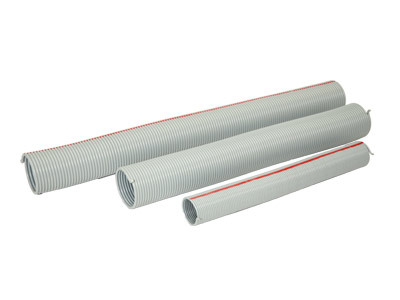
Understanding the Crucial Role of Clothespin Torsion Springs in Manufacturing Processes
Release Time:
2024-10-14
Understanding the Crucial Role of Clothespin Torsion Springs in Manufacturing Processes Manufacturing processes across various industries rely heavily on precision components that contribute to overall efficiency and reliability. Among these components, **clothespin torsion springs** play a vital role. In this article, we will explore the functionality, applications, manufacturing processes, and a

Understanding the Crucial Role of Clothespin Torsion Springs in Manufacturing Processes
Manufacturing processes across various industries rely heavily on precision components that contribute to overall efficiency and reliability. Among these components, **clothespin torsion springs** play a vital role. In this article, we will explore the functionality, applications, manufacturing processes, and advantages of these essential springs, providing a comprehensive overview for professionals in the field.
Table of Contents
1. Introduction to Clothespin Torsion Springs
2. The Functionality of Torsion Springs
3. Applications of Clothespin Torsion Springs in Manufacturing
4. How Clothespin Torsion Springs are Manufactured
5. Benefits of Using Clothespin Torsion Springs
6. Common Challenges in Torsion Spring Applications
7. Future Trends in Torsion Spring Technology
8. Frequently Asked Questions (FAQs)
9. Conclusion
1. Introduction to Clothespin Torsion Springs
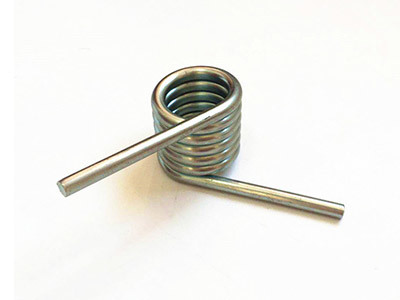
Clothespin torsion springs are mechanical devices designed to store and release energy. They function by twisting around their axis, allowing them to exert rotational force. These springs are commonly found in clothespins, but their applications extend far beyond household items. In the manufacturing industry, they serve multiple functions, including providing tension, facilitating movement, and ensuring precision in mechanical systems.
2. The Functionality of Torsion Springs
Torsion springs operate based on **Hooke's Law**, which states that the force exerted by a spring is proportional to the distance it is twisted. This principle allows clothespin torsion springs to effectively store energy when twisted and release it when the force is removed. The key features of torsion springs include:
2.1 Mechanical Advantage
The design of clothespin torsion springs allows for significant mechanical advantages. They can generate substantial force from minimal material, making them efficient for various applications. This capability is particularly beneficial in manufacturing processes where space and weight considerations are critical.
2.2 Versatility in Design
Clothespin torsion springs can be custom-designed to meet specific requirements. Manufacturers can adjust parameters such as wire diameter, coil diameter, and the number of coils to create springs that suit particular applications.
3. Applications of Clothespin Torsion Springs in Manufacturing
The applications of clothespin torsion springs in manufacturing are vast and varied. Below are some key areas where they are utilized:
3.1 Automotive Industry
In the automotive sector, torsion springs are used in various components such as door locks, hoods, and trunk latches. They ensure that these parts function smoothly and securely, contributing to overall vehicle safety.
3.2 Appliances and Consumer Electronics
Clothespin torsion springs are commonly found in household appliances like washing machines and dryers, where they help facilitate door closures and other moving parts. In consumer electronics, they assist in mechanisms such as hinges and latches.
3.3 Medical Devices
In the medical field, precision is paramount. Clothespin torsion springs are used in devices such as surgical instruments and diagnostic equipment to ensure reliable operation. Their ability to maintain tension and provide consistent performance makes them invaluable in this sector.
3.4 Industrial Machinery
Manufacturing equipment, conveyor systems, and robotics often incorporate torsion springs. They enable controlled movements and enhance the reliability of mechanical systems, which is crucial in high-speed production environments.
4. How Clothespin Torsion Springs are Manufactured
The manufacturing process of clothespin torsion springs involves several steps to ensure quality and precision:
4.1 Material Selection
High-carbon steel and stainless steel are the most common materials used for manufacturing torsion springs. These materials offer the necessary strength and fatigue resistance required for prolonged use in various applications.
4.2 Wire Forming
The wire is formed into coils using specialized machinery. This process requires precision to ensure that each coil meets the specified diameter and shape. Automated machinery often handles this process, allowing for consistent quality and efficiency.
4.3 Heat Treatment
After forming, the springs undergo heat treatment to enhance their mechanical properties. This process improves strength and elasticity, ensuring that the springs can withstand repeated twisting cycles without deforming.
4.4 Quality Control
Quality assurance is critical in torsion spring manufacturing. Manufacturers conduct rigorous testing to ensure that each spring meets the required specifications. This may include tensile testing, fatigue testing, and dimensional checks.
5. Benefits of Using Clothespin Torsion Springs
Choosing clothespin torsion springs for manufacturing processes offers numerous advantages:
5.1 Enhanced Performance
Torsion springs provide reliable performance by storing energy efficiently and releasing it smoothly. This capability is essential for maintaining consistent operation in mechanical systems.
5.2 Cost-Effectiveness
Due to their efficient design, clothespin torsion springs can minimize material costs while maximizing force output. This cost-effectiveness makes them an attractive choice for various manufacturing applications.
5.3 Space-Saving Design
The compact design of torsion springs allows them to fit into tight spaces without sacrificing performance. This feature is particularly important in industries where space is a premium.
5.4 Customization
Manufacturers can easily customize clothespin torsion springs to meet specific application requirements. This flexibility allows for innovation and adaptation in design, ensuring that products remain competitive.
6. Common Challenges in Torsion Spring Applications
While clothespin torsion springs are highly effective, they can present certain challenges:
6.1 Fatigue and Wear
Over time, torsion springs may experience fatigue due to repeated twisting. This wear can lead to reduced performance and potential failure if not properly monitored.
6.2 Installation and Alignment
Correct installation and alignment of torsion springs are critical to ensure optimal functionality. Misalignment can cause uneven wear and premature failure, necessitating thorough training for personnel involved in assembly.
7. Future Trends in Torsion Spring Technology
As manufacturing processes evolve, so too do the technologies surrounding torsion springs. Future trends may include:
7.1 Advanced Materials
The development of new materials that offer greater strength and flexibility could revolutionize the design of clothespin torsion springs, allowing for even smaller and more efficient components.
7.2 Automation in Production
Increased automation in manufacturing processes is likely to enhance the efficiency and precision of torsion spring production, leading to higher-quality components at lower costs.
7.3 Integration with Smart Technology
As industries adopt smart technologies, the incorporation of sensors and data analytics into torsion spring applications could enable real-time monitoring and predictive maintenance, ensuring optimal performance.
8. Frequently Asked Questions (FAQs)
8.1 What are clothespin torsion springs used for?
Clothespin torsion springs are used in various applications, including automotive components, household appliances, medical devices, and industrial machinery.
8.2 How do I choose the right torsion spring for my application?
Selecting the right torsion spring requires consideration of factors such as load requirements, space constraints, and the specific function the spring needs to perform.
8.3 Can torsion springs be customized?
Yes, torsion springs can be designed and manufactured to meet specific requirements, including different wire diameters, coil sizes, and performance characteristics.
8.4 How do I ensure the longevity of torsion springs?
To extend the lifespan of torsion springs, it is essential to monitor for signs of fatigue, ensure proper installation, and maintain adequate lubrication if necessary.
8.5 Are there alternatives to torsion springs?
While there are alternatives such as compression springs and extension springs, torsion springs are often preferred for applications requiring rotational force due to their unique properties.
9. Conclusion
Clothespin torsion springs play an indispensable role in the manufacturing landscape, providing efficient, reliable, and cost-effective solutions across various industries. Their versatility and ability to be customized make them a preferred choice for engineers and manufacturers alike. By understanding the intricacies of these springs, companies can enhance their production processes and drive innovation in their respective fields. The future of torsion springs looks promising, with advancements in materials and technology paving the way for even greater capabilities. Embracing these innovations will ensure that clothespin torsion springs remain at the forefront of manufacturing excellence.
Related News
Contact Us
E-mail:
WhatsAPP:
Address:
Wen 'an Industrial New Area (small Farm), Langfang, Hebei, China