

Understanding Offside Front Coil Springs: Essential Insights for Precision Manufacturing
Release Time:
2024-10-13
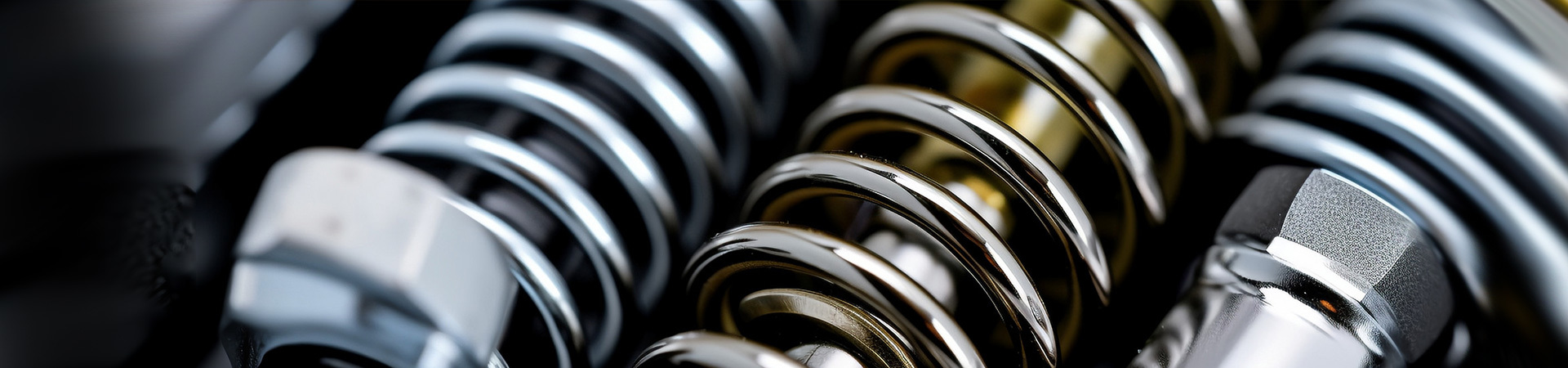
Offside front coil springs play a vital role in the suspension systems of vehicles, specifically contributing to vehicle stability and ride comfort. These springs are designed to absorb shocks and maintain the proper alignment of the vehicle's chassis, particularly on the front side. Understanding the intricacies of offside front coil springs is essential for professionals involved in the manufact

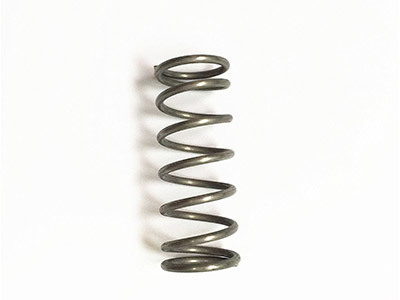
Offside front coil springs play a vital role in the suspension systems of vehicles, specifically contributing to vehicle stability and ride comfort. These springs are designed to absorb shocks and maintain the proper alignment of the vehicle's chassis, particularly on the front side. Understanding the intricacies of offside front coil springs is essential for professionals involved in the manufacturing and machining of spring components.
Coil springs are typically crafted from high-quality materials that offer both strength and flexibility. The offside designation refers to the spring's position, usually on the passenger side for vehicles with right-hand drive. This positioning varies depending on the vehicle's design and overall suspension layout. The primary function of these springs is to support the vehicle's weight while allowing for smooth movement over uneven surfaces.
In manufacturing, precision is paramount. High tolerances must be maintained to ensure that the coil springs fit correctly within the suspension system. This requires rigorous quality control processes during production, including careful measurement and testing of the spring's physical properties. The diameter, coil count, and wire thickness all contribute to the spring's performance and durability. Properly manufactured offside front coil springs help ensure that vehicles can handle various driving conditions safely and effectively.
When it comes to the machining of coil springs, several techniques are commonly employed. Cold winding is a prevalent method that involves winding the spring wire at room temperature, allowing for greater control over the spring's final dimensions. This technique is particularly favorable for producing precise and consistent springs. Additionally, hot winding can be utilized for larger springs, where the wire is heated to increase its ductility, making it easier to shape.
Moreover, post-production processes such as shot peening and surface treatment can significantly enhance the performance and longevity of offside front coil springs. Shot peening introduces compressive stresses on the surface, improving fatigue resistance, while surface treatments can provide corrosion protection, extending the life of the springs in harsh environments.
Finally, it's crucial to recognize the importance of customer feedback in the manufacturing process. Engaging with clients to gather insights on performance and durability can lead to iterative improvements in product design and manufacturing techniques. By understanding the needs and experiences of users, manufacturers can enhance the quality and reliability of offside front coil springs.
In conclusion, offside front coil springs are essential components in vehicle suspension systems. Understanding their design and manufacturing processes aids in producing high-quality springs that improve vehicle performance. Precision in manufacturing and a commitment to quality control are key factors that contribute to the success of these crucial automotive components.
Coil springs are typically crafted from high-quality materials that offer both strength and flexibility. The offside designation refers to the spring's position, usually on the passenger side for vehicles with right-hand drive. This positioning varies depending on the vehicle's design and overall suspension layout. The primary function of these springs is to support the vehicle's weight while allowing for smooth movement over uneven surfaces.
In manufacturing, precision is paramount. High tolerances must be maintained to ensure that the coil springs fit correctly within the suspension system. This requires rigorous quality control processes during production, including careful measurement and testing of the spring's physical properties. The diameter, coil count, and wire thickness all contribute to the spring's performance and durability. Properly manufactured offside front coil springs help ensure that vehicles can handle various driving conditions safely and effectively.
When it comes to the machining of coil springs, several techniques are commonly employed. Cold winding is a prevalent method that involves winding the spring wire at room temperature, allowing for greater control over the spring's final dimensions. This technique is particularly favorable for producing precise and consistent springs. Additionally, hot winding can be utilized for larger springs, where the wire is heated to increase its ductility, making it easier to shape.
Moreover, post-production processes such as shot peening and surface treatment can significantly enhance the performance and longevity of offside front coil springs. Shot peening introduces compressive stresses on the surface, improving fatigue resistance, while surface treatments can provide corrosion protection, extending the life of the springs in harsh environments.
Finally, it's crucial to recognize the importance of customer feedback in the manufacturing process. Engaging with clients to gather insights on performance and durability can lead to iterative improvements in product design and manufacturing techniques. By understanding the needs and experiences of users, manufacturers can enhance the quality and reliability of offside front coil springs.
In conclusion, offside front coil springs are essential components in vehicle suspension systems. Understanding their design and manufacturing processes aids in producing high-quality springs that improve vehicle performance. Precision in manufacturing and a commitment to quality control are key factors that contribute to the success of these crucial automotive components.
Related News
Contact Us
E-mail:
WhatsAPP:
Address:
Wen 'an Industrial New Area (small Farm), Langfang, Hebei, China