

Understanding Offside Rear Coil Springs: Importance and Functionality in Machinery
Release Time:
2024-10-09
The offside rear coil spring, a crucial element in various mechanical systems, plays a significant role in enhancing the stability and performance of machinery. Understanding the design and function of these springs can provide valuable insights into their importance in manufacturing processes. Coil springs, including the offside rear variant, are utilized primarily to absorb shock and maintain te

The offside rear coil spring, a crucial element in various mechanical systems, plays a significant role in enhancing the stability and performance of machinery. Understanding the design and function of these springs can provide valuable insights into their importance in manufacturing processes.
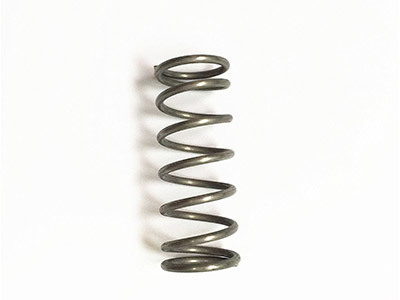
Coil springs, including the offside rear variant, are utilized primarily to absorb shock and maintain tension within mechanical systems. These springs are designed to compress and expand, allowing them to effectively manage the forces exerted on them during operation. In the context of vehicles, for instance, the offside rear coil spring supports the weight of the vehicle, absorbs road shocks, and contributes to the overall comfort of the ride.
One of the key characteristics of offside rear coil springs is their ability to manage load distribution. When a vehicle or a machine experiences uneven loads, the offside rear coil spring compensates by adjusting its tension, thereby ensuring that the machinery operates smoothly. This not only improves the performance of the equipment but also extends its lifespan by reducing wear and tear on other components.
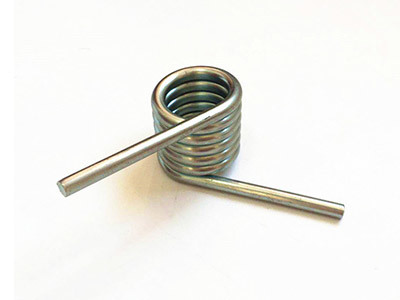
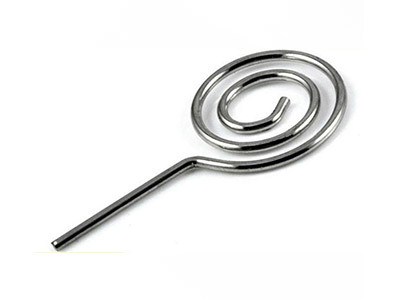
In the manufacturing and processing of helical springs, the precision in the design and production of offside rear coil springs is paramount. The manufacturing process typically involves selecting high-quality materials, employing advanced machining techniques, and adhering to strict tolerances to ensure that the springs perform optimally under varying conditions. Engineers must consider factors such as load requirements, environmental conditions, and the specific application when designing these springs.
Moreover, the installation and maintenance of offside rear coil springs are vital aspects that can significantly impact machinery performance. Regular inspections can help identify any signs of wear or damage, allowing for timely replacements or adjustments that ensure the machinery continues to operate effectively.
In conclusion, offside rear coil springs are integral components in the realm of manufacturing and processing machinery. Their ability to absorb shocks, manage loads, and enhance overall stability makes them indispensable in various applications. Understanding their functionality and importance can lead to better design choices, improved maintenance practices, and ultimately, more reliable machinery operations. By appreciating the role of these springs in mechanical systems, professionals in the industry can make informed decisions that optimize performance and efficiency.
Coil springs, including the offside rear variant, are utilized primarily to absorb shock and maintain tension within mechanical systems. These springs are designed to compress and expand, allowing them to effectively manage the forces exerted on them during operation. In the context of vehicles, for instance, the offside rear coil spring supports the weight of the vehicle, absorbs road shocks, and contributes to the overall comfort of the ride.
One of the key characteristics of offside rear coil springs is their ability to manage load distribution. When a vehicle or a machine experiences uneven loads, the offside rear coil spring compensates by adjusting its tension, thereby ensuring that the machinery operates smoothly. This not only improves the performance of the equipment but also extends its lifespan by reducing wear and tear on other components.
In the manufacturing and processing of helical springs, the precision in the design and production of offside rear coil springs is paramount. The manufacturing process typically involves selecting high-quality materials, employing advanced machining techniques, and adhering to strict tolerances to ensure that the springs perform optimally under varying conditions. Engineers must consider factors such as load requirements, environmental conditions, and the specific application when designing these springs.
Moreover, the installation and maintenance of offside rear coil springs are vital aspects that can significantly impact machinery performance. Regular inspections can help identify any signs of wear or damage, allowing for timely replacements or adjustments that ensure the machinery continues to operate effectively.
In conclusion, offside rear coil springs are integral components in the realm of manufacturing and processing machinery. Their ability to absorb shocks, manage loads, and enhance overall stability makes them indispensable in various applications. Understanding their functionality and importance can lead to better design choices, improved maintenance practices, and ultimately, more reliable machinery operations. By appreciating the role of these springs in mechanical systems, professionals in the industry can make informed decisions that optimize performance and efficiency.
Related News
Contact Us
E-mail:
WhatsAPP:
Address:
Wen 'an Industrial New Area (small Farm), Langfang, Hebei, China