

Understanding the Crucial Role of Offside Front Coil Springs in Vehicle Suspension Systems
Release Time:
2024-10-10
Understanding the Crucial Role of Offside Front Coil Springs in Vehicle Suspension Systems Table of Contents Introduction to Offside Front Coil Springs What Are Coil Springs? The Importance of Coil Springs in Vehicle Suspension Understanding Offside vs. Nearside Coil Springs The Mechanics of Offside Front Coil Springs Impact of Offside Front Coil Springs on Vehicle Perform

Understanding the Crucial Role of Offside Front Coil Springs in Vehicle Suspension Systems
Table of Contents
- Introduction to Offside Front Coil Springs
- What Are Coil Springs?
- The Importance of Coil Springs in Vehicle Suspension
- Understanding Offside vs. Nearside Coil Springs
- The Mechanics of Offside Front Coil Springs
- Impact of Offside Front Coil Springs on Vehicle Performance
- Maintenance Tips for Offside Front Coil Springs
- Common Issues and Solutions for Offside Front Coil Springs
- Conclusion
- FAQs
Introduction to Offside Front Coil Springs
In the world of automotive engineering, **suspension systems** play a pivotal role in ensuring vehicle stability, comfort, and control. Among the key components of these systems are **coil springs**, particularly the **offside front coil springs**. These springs are essential not only for providing a smooth ride but also for enhancing the vehicle's handling and safety. In this article, we will delve into the role of offside front coil springs within vehicle suspension systems, examining their mechanics, importance, and maintenance requirements.
What Are Coil Springs?
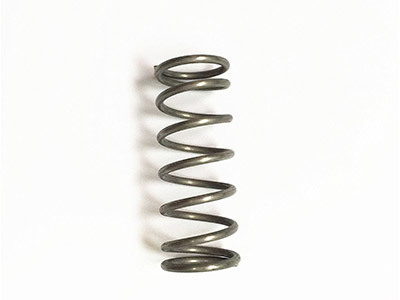
Coil springs are **helical springs** made from a coiled metal wire, designed to absorb shock and maintain vehicle height in various driving conditions. They provide resistance to compressive forces, helping vehicles maintain stability during cornering and over uneven terrain. The design of coil springs allows them to expand and contract, accommodating the vertical movement of the vehicle chassis while providing a consistent level of support.
Types of Coil Springs
There are several types of coil springs used in suspension systems, including:
- **Progressive coil springs**: These springs have variable spring rates, meaning they become stiffer as they compress, providing better support for larger bumps.
- **Constant coil springs**: These have a uniform spring rate, offering consistent resistance regardless of compression.
- **Conical coil springs**: These taper in diameter from one end to the other and provide unique support characteristics.
The Importance of Coil Springs in Vehicle Suspension
Coil springs are fundamental to a vehicle's suspension system. Their primary functions include:
1. **Shock Absorption**: Coil springs help absorb shocks from potholes, bumps, and uneven road surfaces, contributing to a smoother driving experience.
2. **Load Support**: They support the weight of the vehicle and its occupants, ensuring that the vehicle does not sag under pressure.
3. **Alignment Maintenance**: By maintaining the correct height of the vehicle, coil springs help preserve proper wheel alignment, which is crucial for safety and tire longevity.
Understanding Offside vs. Nearside Coil Springs
When discussing coil springs in vehicle suspension, it's essential to differentiate between offside and nearside springs:
- **Offside Coil Springs**: These are located on the passenger side of the vehicle (in left-hand drive vehicles), and they play a crucial role in balancing the load and ensuring stability.
- **Nearsider Coil Springs**: These are positioned on the driver's side. While they function similarly, their role may vary based on vehicle weight distribution and suspension design.
Understanding the distinction is vital, as each coil spring type is engineered to handle specific loads and forces.
The Mechanics of Offside Front Coil Springs
Offside front coil springs are typically designed to handle the unique stresses encountered on the passenger side of the vehicle. Their design incorporates several mechanical principles:
1. **Spring Rate**: This refers to the amount of force required to compress the spring by a certain distance. Offside front coil springs usually have a specific rate tailored to the vehicle's weight and handling characteristics.
2. **Compression and Rebound**: During driving, the offside front coil spring compresses when the wheel encounters bumps and rebounds when the wheel rises back. This motion is crucial for maintaining tire contact with the road, enhancing traction and handling.
3. **Dynamic Load Distribution**: The offside coil spring helps distribute loads dynamically, particularly during sharp turns or sudden braking. This distribution is essential for preventing roll and maintaining control.
Impact of Offside Front Coil Springs on Vehicle Performance
The performance of offside front coil springs directly correlates with various aspects of vehicle dynamics:
1. **Ride Comfort**: Well-functioning offside coil springs contribute to a comfortable ride by absorbing shocks and vibrations, leading to less driver fatigue during long trips.
2. **Handling and Stability**: These springs play a critical role in how well a vehicle turns, stops, and accelerates. An optimal balance between the offside and nearside springs is necessary for maintaining predictable handling.
3. **Safety**: Effective offside front coil springs ensure that the vehicle maintains proper wheel alignment and contact with the road, significantly impacting braking performance and overall safety.
Maintenance Tips for Offside Front Coil Springs
To ensure the longevity and effectiveness of offside front coil springs, regular maintenance is vital. Here are some essential tips:
1. **Regular Inspections**: Have your suspension system, including coil springs, inspected periodically for signs of wear or damage.
2. **Check for Corrosion**: Look for any rust or corrosion on the springs, especially in regions where salt is used on roads during winter.
3. **Monitor Ride Height**: Keep an eye on the vehicle’s ride height. If the vehicle appears to sag more on one side, it may indicate a failing coil spring.
4. **Replace Worn Components**: If any signs of damage are detected, replace the coil springs promptly to avoid compromising vehicle safety and performance.
5. **Professional Servicing**: Consider having a professional inspect and service your suspension system regularly to catch potential issues early.
Common Issues and Solutions for Offside Front Coil Springs
While offside front coil springs are durable, they can encounter several common issues. Understanding these problems and their solutions can help maintain the integrity of your vehicle’s suspension system:
1. Sagging Springs
**Symptoms**: Uneven ride height or a noticeable drop in one corner of the vehicle.
**Solution**: Inspect for wear or fatigue in the spring. Replacement may be necessary.
2. Noisy Suspension
**Symptoms**: Clunking or squeaking noises when driving over bumps.
**Solution**: Check for loose components or damaged springs. Lubrication or replacement may be required.
3. Excessive Bounce
**Symptoms**: The vehicle bounces excessively after hitting a bump.
**Solution**: This often indicates that the coil spring is worn or that the shock absorber is failing. Both components should be inspected and potentially replaced.
4. Misalignment
**Symptoms**: Uneven tire wear or the vehicle pulling to one side.
**Solution**: Have the vehicle's alignment checked and corrected to ensure even operation of the suspension components.
5. Rust and Corrosion
**Symptoms**: Visible rust on the springs or other suspension components.
**Solution**: Clean the affected areas and consider applying a protective coating. If corrosion is severe, replacement may be necessary.
Conclusion
In conclusion, offside front coil springs play a **critical role** in the overall functionality and safety of vehicle suspension systems. Understanding their importance, mechanics, and maintenance can lead to improved vehicle performance and durability. By keeping these essential components in good condition, drivers can enjoy a safer and more comfortable driving experience.
FAQs
1. How often should I replace my vehicle's coil springs?
It is generally recommended to inspect coil springs every 50,000 miles and replace them as needed, typically every 75,000 to 100,000 miles, depending on wear and usage.
2. Can I replace just one coil spring?
While it is possible to replace just one coil spring, it is often advisable to replace them in pairs (front or rear) to maintain balanced handling and performance.
3. What signs indicate a problem with my coil springs?
Common signs include uneven ride height, excessive bouncing, unusual noises from the suspension, and poor handling characteristics.
4. Are aftermarket coil springs better than OEM springs?
Aftermarket coil springs can provide performance upgrades, but OEM springs are designed specifically for your vehicle. It's essential to choose reputable brands and ensure compatibility.
5. How do I know if my coil springs are correctly installed?
A professional installation should ensure that the springs are level and the ride height matches the manufacturer's specifications. Regular inspections can help identify installation issues.
Related News
Contact Us
E-mail:
WhatsAPP:
Address:
Wen 'an Industrial New Area (small Farm), Langfang, Hebei, China