

Offside Rear Coil Springs: Enhancing Load Capacity in Industrial Applications
Release Time:
2024-10-08
Offside Rear Coil Springs: Enhancing Load Capacity in Industrial Applications Table of Contents Introduction to Offside Rear Coil Springs Understanding Coil Springs in Industrial Machinery The Importance of Load Capacity in Industrial Applications Key Design Features of Offside Rear Coil Springs Material Selection for Optimal Performance Applications of Offside Rear Coil S

Offside Rear Coil Springs: Enhancing Load Capacity in Industrial Applications
Table of Contents
- Introduction to Offside Rear Coil Springs
- Understanding Coil Springs in Industrial Machinery
- The Importance of Load Capacity in Industrial Applications
- Key Design Features of Offside Rear Coil Springs
- Material Selection for Optimal Performance
- Applications of Offside Rear Coil Springs
- Maintenance Tips for Longevity and Performance
- Frequently Asked Questions (FAQ)
- Conclusion
Introduction to Offside Rear Coil Springs
In the realm of industrial machinery, the significance of offside rear coil springs cannot be overstated. These components are vital for ensuring optimal performance, stability, and load capacity in various applications. They play a crucial role in absorbing shocks and maintaining the structural integrity of machines under heavy loads. Understanding their function and application is essential for engineers and manufacturers aiming to enhance their machinery's efficiency.
Understanding Coil Springs in Industrial Machinery
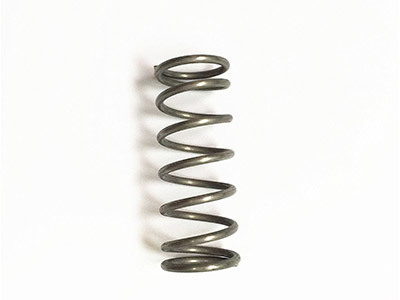
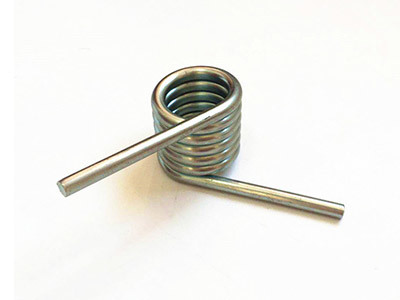
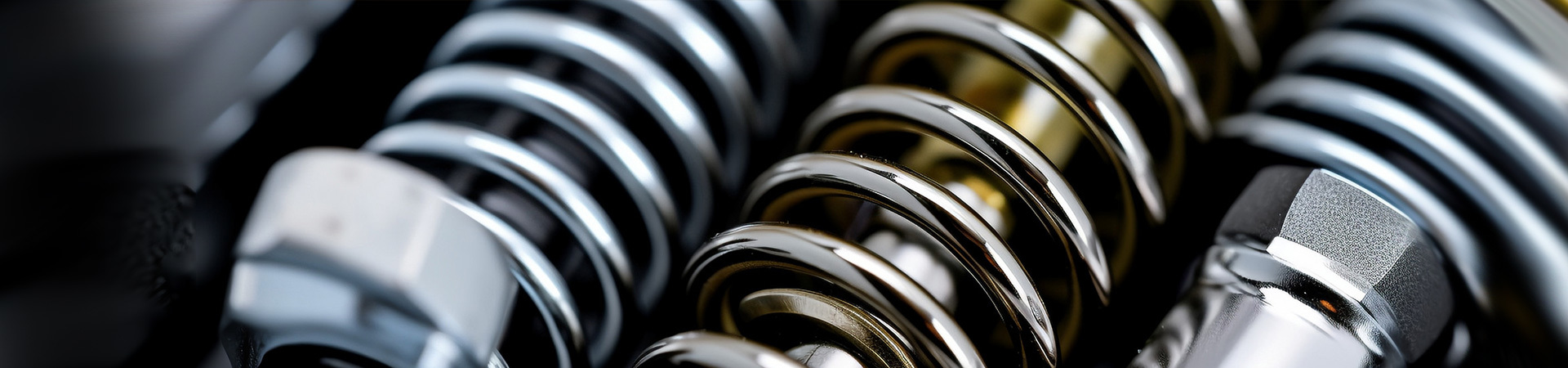
Coil springs are mechanical devices designed to store and release energy. They are typically comprised of helical coils that provide resistance to compressive forces. In industrial applications, coil springs can be classified into different categories based on their design, including compression springs, extension springs, and torsion springs. Offside rear coil springs specifically refer to those positioned on the offside (or non-driver side) of vehicles or machinery, contributing to balanced load distribution and improved performance.
How Coil Springs Work
When a load is applied to a coil spring, it compresses, allowing it to absorb energy. Upon removal of the load, the spring returns to its original shape, releasing the stored energy. This elastic property is what makes coil springs indispensable in machinery where shock absorption and load management are crucial.
The Role of Offside Rear Coil Springs
Offside rear coil springs specifically assist in leveling loads and enhancing stability during operations. They counterbalance the weight distribution of machinery, ensuring that both sides of an industrial vehicle or machine remain even. This balance is vital for maintaining control and safety during operation.
The Importance of Load Capacity in Industrial Applications
Load capacity refers to the maximum weight that a component, such as an offside rear coil spring, can support without failure. In industrial applications, understanding this capacity is paramount. It affects not just the performance of the machinery but also safety and longevity.
Implications of Insufficient Load Capacity
Using coil springs with insufficient load capacity can lead to mechanical failure, which can cause operational downtime and potentially hazardous situations. It is essential to select coil springs that meet or exceed the load requirements of specific applications to prevent such incidents.
Enhancing Load Capacity through Design
Improving load capacity can be achieved through various design strategies, such as increasing the diameter of the coil, using multi-coil configurations, or optimizing the spring geometry. These modifications can significantly enhance the performance of offside rear coil springs in industrial applications.
Key Design Features of Offside Rear Coil Springs
To maximize performance, several critical design features must be considered when manufacturing offside rear coil springs.
Spring Geometry
The shape and dimensions of the coil spring influence its performance. Design considerations include wire diameter, coil diameter, and the number of active coils. Each of these factors plays a role in determining the spring's strength and flexibility.
Coating and Finishing
The surface treatment of coil springs can enhance corrosion resistance and durability. A quality coating can prolong the life of the spring, especially in harsh industrial environments.
Manufacturing Techniques
Advanced manufacturing techniques, such as cold winding or shot peening, can improve the performance characteristics of coil springs. These techniques allow for precise control over spring properties, which can lead to better load-bearing capabilities.
Material Selection for Optimal Performance
The choice of materials is a fundamental factor in the performance of offside rear coil springs. Different materials offer various benefits and limitations.
Common Materials Used
- **Alloy Steel**: Known for its high strength and durability, alloy steel is commonly used for manufacturing coil springs. It can withstand high loads and is suitable for various industrial applications.
- **Stainless Steel**: This material offers excellent corrosion resistance, making it ideal for environments exposed to moisture and chemicals.
- **Carbon Steel**: Often used for its cost-effectiveness, carbon steel provides a good balance between strength and ductility.
Choosing the Right Material for Your Application
When selecting materials, it's essential to consider factors such as the environment, load requirements, and desired lifespan of the springs. Each material has unique properties that can enhance performance in specific industrial applications.
Applications of Offside Rear Coil Springs
Offside rear coil springs find applications across various industries, demonstrating their versatility and importance.
Automotive Industry
In the automotive sector, offside rear coil springs are critical for vehicle suspension systems. They enhance ride comfort and stability, allowing vehicles to handle heavy loads efficiently.
Manufacturing Equipment
Industrial machinery often incorporates offside rear coil springs to support heavy components and ensure smooth operation. These springs help maintain alignment and reduce wear on other machine parts.
Construction Equipment
Heavy construction equipment, such as excavators and bulldozers, utilize offside rear coil springs to improve load distribution and stability, allowing for more effective operation on uneven terrain.
Transport and Logistics
In transport and logistics, offside rear coil springs are employed in trailers and freight vehicles to manage heavy loads and ensure safe transportation of goods.
Maintenance Tips for Longevity and Performance
Proper maintenance of offside rear coil springs ensures their longevity and optimal performance.
Regular Inspections
Conduct regular inspections to identify signs of wear or damage. Look for cracks, deformation, or corrosion, and address these issues promptly to prevent further damage.
Lubrication
Proper lubrication can reduce friction and wear on the springs, enhancing their operational efficiency. Use suitable lubricants for the environment in which the springs operate.
Environmental Considerations
Ensure that coil springs are protected from harsh environmental conditions that may cause corrosion or fatigue. Using materials with appropriate coatings can help prolong their lifespan.
Frequently Asked Questions (FAQ)
1. What are the benefits of using offside rear coil springs in machinery?
Offside rear coil springs enhance load capacity, improve stability, and provide shock absorption, which contributes to the overall efficiency and safety of industrial machinery.
2. How can I determine the right load capacity for my coil springs?
Calculate the maximum load that the machinery will bear and consider the weight distribution. Consult with manufacturers or engineers for guidance on selecting springs that meet these requirements.
3. What materials are best suited for offside rear coil springs?
Alloy steel, stainless steel, and carbon steel are commonly used materials, each providing different benefits depending on the application and environment.
4. How often should I inspect my coil springs?
Regular inspections should be conducted at least every six months, or more frequently in harsh working conditions, to ensure they are in good working order.
5. Can I replace coil springs myself?
While it's possible for someone with mechanical knowledge to replace coil springs, it is recommended to consult with a professional mechanic or technician to ensure safety and proper installation.
Conclusion
In conclusion, offside rear coil springs play a pivotal role in enhancing load capacity in various industrial applications. Their ability to provide stability, support, and shock absorption makes them indispensable in machinery design. By understanding their function, design features, and maintenance requirements, industry professionals can significantly improve the performance and longevity of their equipment. Investing in quality coil springs and adhering to proper maintenance practices will ultimately lead to safer and more efficient industrial operations.
Related News
Contact Us
E-mail:
WhatsAPP:
Address:
Wen 'an Industrial New Area (small Farm), Langfang, Hebei, China