

Understanding Tapered Compression Springs: Mechanisms, Applications, and Benefits
Release Time:
2024-08-30
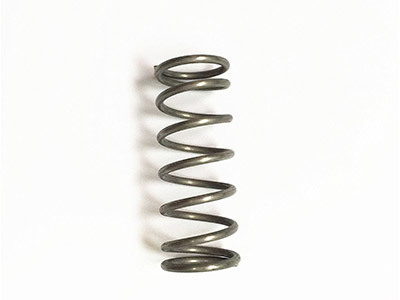
Tapered compression springs are specialized springs that reduce in diameter from one end to the other, creating a conical shape. This design allows for a gradual transition in coil spacing, which can provide a range of benefits in mechanical applications. The tapering effect ensures that these springs can handle variable loads while maintaining stability and strength. One of the primary advantages

Tapered compression springs are specialized springs that reduce in diameter from one end to the other, creating a conical shape. This design allows for a gradual transition in coil spacing, which can provide a range of benefits in mechanical applications. The tapering effect ensures that these springs can handle variable loads while maintaining stability and strength.
One of the primary advantages of tapered compression springs is their ability to save space. In applications where vertical space is limited, the conical shape allows for a more compact design without sacrificing performance. This space-saving feature is particularly beneficial in manufacturing environments where machinery is often designed to fit within specific constraints.
Moreover, tapered compression springs can effectively distribute loads unevenly across their length. This characteristic is crucial in scenarios where a consistent force must be applied, as it prevents localized stress and potential failure. By having a varying coil density, these springs can adapt to changing forces while providing a smooth response to compression.
In terms of manufacturing, tapered compression springs can be produced using various materials, including stainless steel, carbon steel, and other alloys. Each material has unique characteristics that can affect the spring's performance, such as fatigue resistance, tensile strength, and corrosion resistance. Manufacturers can choose materials based on the specific needs of their applications, ensuring optimal performance and longevity.
Applications of tapered compression springs are widespread across many industries, including automotive, aerospace, and industrial machinery. In automotive suspension systems, for instance, tapered springs are utilized to provide a smooth ride by absorbing shocks and vibrations. In aerospace, these springs can be implemented in landing gear systems where reliable performance under varying loads is critical.
When selecting a tapered compression spring for your project, consider the factors such as load requirements, space constraints, and environmental conditions. Detailed specifications, including wire diameter, coil diameter, and total spring length, should be determined to ensure the spring meets the application’s needs.
In conclusion, tapered compression springs are vital components in modern manufacturing processes, providing reliable performance in various applications. Their unique design allows for efficient load management and space optimization, making them a valuable choice in numerous industrial settings. Understanding the functionality and advantages of these springs can help you make informed decisions when integrating them into your machinery and design projects.
Related News
Contact Us
E-mail:
WhatsAPP:
Address:
Wen 'an Industrial New Area (small Farm), Langfang, Hebei, China