


Understanding Conical Compression Springs: Design, Functionality, and Applications
Release Time:
2024-08-08
Conical compression springs are an essential component widely used in various mechanical systems, offering unique advantages due to their geometric shape. These springs are designed with a conical profile, meaning their coil diameter gradually decreases from one end to the other. This design allows for a compact structure while maintaining significant energy storage capabilities. One of the primar

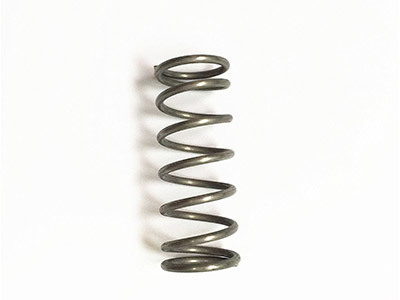
Conical compression springs are an essential component widely used in various mechanical systems, offering unique advantages due to their geometric shape. These springs are designed with a conical profile, meaning their coil diameter gradually decreases from one end to the other. This design allows for a compact structure while maintaining significant energy storage capabilities.
One of the primary benefits of conical compression springs is their ability to compress more than traditional cylindrical springs. As they compress, the coils can nest closely together, reducing the overall height of the spring assembly. This characteristic is particularly useful in applications where space constraints are a concern. Additionally, the conical shape enables these springs to provide a progressive spring rate, meaning the force required to compress the spring increases as it is compressed further. This feature can be advantageous in applications requiring variable resistance, such as automotive suspensions or certain machinery where load dynamics are critical.
The manufacturing process of conical compression springs involves precise engineering to ensure consistent quality and performance. Materials commonly used in their production include high-carbon steel, stainless steel, and other alloys, chosen based on the application’s specific requirements. The choice of material impacts the spring's strength, durability, and resistance to fatigue, making it crucial to select the right type for your needs.
Applications of conical compression springs are diverse and span across various industries. They are frequently found in automotive systems, consumer electronics, industrial machinery, and aerospace components. In automotive applications, they are often used in shock absorbers and suspension systems, providing a smoother ride by absorbing shocks and vibrations. In consumer electronics, conical compression springs can be employed in devices such as keyboards and remote controls, where compactness and responsiveness are critical.
When selecting a conical compression spring for your project, several factors should be considered, including load requirements, available space, and the desired spring rate. Understanding the environment in which the spring will operate is also vital, as factors such as temperature, exposure to chemicals, and moisture can affect the spring's performance and longevity.
In conclusion, conical compression springs are a versatile and efficient solution for various mechanical applications. Their unique design offers distinct advantages over traditional spring types, making them an invaluable component in many industries. By understanding their characteristics and applications, manufacturers can make informed decisions when integrating these springs into their products, ultimately improving performance and reliability.
Related News
Contact Us
E-mail:
WhatsAPP:
Address:
Wen 'an Industrial New Area (small Farm), Langfang, Hebei, China